
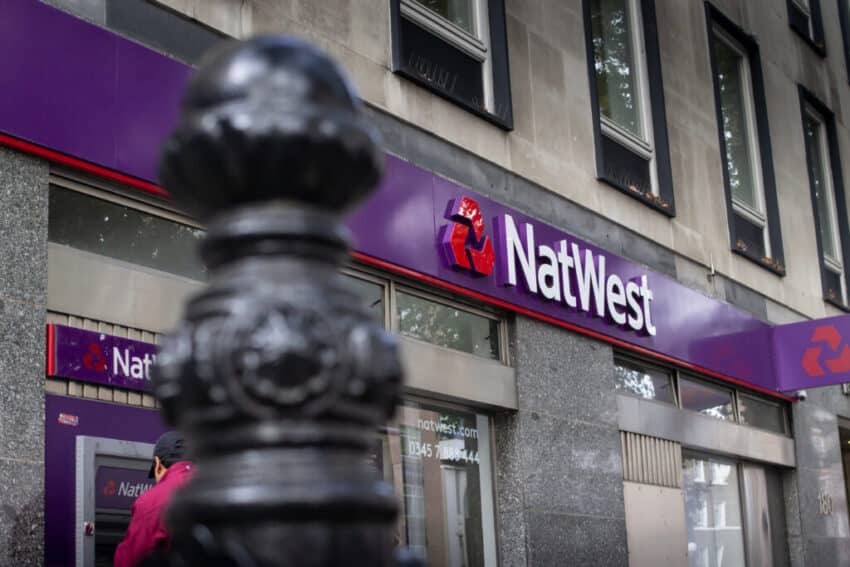

NatWest’s latest action to repurchase £1 billion in shares from the UK Treasury marks a pivotal move. This transaction reduces the government’s stake to 11.4%, edging closer to full privatisation. It’s a calculated step in reshaping the bank’s future. Investors watch keenly as NatWest positions itself for a fully independent road ahead.
By acquiring 263 million shares at a price of 380.8p each, NatWest demonstrates financial strength and a commitment to independence. CEO Paul Thwaite considers it a critical milestone. The move follows numerous strategies aimed at reducing public ownership since the 2008 financial crisis bailout.
NatWest’s Strategic Move Towards Privatisation
NatWest’s decision to repurchase £1 billion in shares from the UK Treasury marks a significant step in the bank’s ongoing journey towards full privatisation. This transaction aligns with the bank’s strategic objectives and reflects its robust financial health. The repurchase involved 263 million shares at a price of 380.8p each, a move described by CEO Paul Thwaite as “an important milestone”. By reducing government ownership to 11.4%, NatWest is gradually shedding its public sector ties, aiming for a more independently driven future.
The latest buyback is the second of its kind in 2024, signifying a deliberate strategy by NatWest to loosen the government’s grip. This move is part of a broader plan that has seen the bank repurchasing up to £2.2 billion in shares this year alone. Over the years, government ownership in NatWest, formerly the Royal Bank of Scotland, has dramatically decreased from a post-2008 bailout peak of 84%.
The bank’s current focus on buying back shares is a clear indication of its commitment to reducing public sector influence. Through a series of share repurchases and sales to institutional investors, NatWest is striving to restore full private ownership. This financial manoeuvre underscores a long-term vision to enable greater operational independence and enhance shareholder value.
The Legacy of the 2008 Financial Crisis
In the aftermath of the financial crisis, the UK government acquired a substantial stake in NatWest, then known as the Royal Bank of Scotland, as part of a taxpayer-funded bailout. The decision was crucial to stabilising the bank in a time of economic turmoil. This ownership peaked at 84%, a figure reflecting the scale of intervention required.
Over the past decade, the government has progressively reduced its holdings in NatWest through various transactions. These measures have included both direct share sales and public offerings. The recent cancellation of a proposed public share sale by the current Labour government, intended to further decrease its stake, demonstrates the complexities involved in such large-scale financial decisions. Concerns over a potential £450 million cost to taxpayers played a decisive role in this choice.
Despite these challenges, the drive towards privatisation continues unabated. The strategy embodied in these share buybacks is not merely about reducing government stakes but also about restoring confidence among institutional investors and aligning the bank’s operations with its long-term strategic objectives.
Government’s Role and Influence
The UK’s government stake in NatWest has long been a topic of public and political discussion. It highlights the delicate balance between governmental oversight and corporate autonomy. The partial privatisation actions underscore the gradual transition from state control to a more market-driven approach.
Historically, government interventions like these had been deemed necessary to stabilise critical financial institutions. However, as economic conditions improve, the rationale for maintaining such large stakes diminishes. The sale of government shares, therefore, represents a shift towards enhancing market confidence.
Each reduction in governmental ownership has been scrutinised for its economic implications. As NatWest moves towards full privatisation, the government’s role shifts to that of a regulator rather than a majority shareholder. This transition aims to promote a healthier banking industry driven by market forces.
CEO’s Perspective on the Buyback
CEO Paul Thwaite has publicly hailed the buyback as a vital measure towards NatWest’s long-term goals. His comments underscore the leadership’s commitment to seeing through the transition back to private ownership. This buyback, in particular, is viewed as a strategic victory for the bank.
Thwaite stated, “This action is part of our continued efforts to reduce government ownership in the bank. We believe it’s an essential step for our future growth and operational autonomy.” Such statements highlight the strategic intents behind these financial moves.
The leadership team is focused on rebuilding NatWest’s market image, restoring trust, and optimising business efficiency. By treating these buybacks as pivotal strategic tools, the CEO emphasises their importance not only in financial terms but as a statement of NatWest’s direction and ambition.
Economic Context of the Buyback
The economic landscape has significantly influenced NatWest’s decision-making process regarding share buybacks. The bank has been navigating through economic uncertainties while capitalising on opportunities for stabilisation and growth. The banking sector is slowly recovering, which provides a conducive environment for such strategic financial decisions.
The Bank of England’s recent actions, including interest rate adjustments, also play a crucial role. The current economic conditions favour financial manoeuvres like buybacks, as they align with national monetary policy, which aims at stabilising the economy.
With inflation cooling and economic pressures easing, NatWest’s decision to conduct a buyback is both timely and strategic. It supports the bank’s broader goals of financial independence and shareholder value enhancement, reflecting confidence in the bank’s future prospects.
Impact on Shareholders and Market Perception
For shareholders, NatWest’s decision to execute a buyback is a positive signal of the bank’s financial stability and commitment to enhancing shareholder value. By reducing the number of publicly owned shares, each remaining share has the potential to increase in value, benefiting investors in the long term.
In the short term, market reactions have been cautiously optimistic. Many analysts see the buyback as a prudent move reflecting confidence in the bank’s future earnings potential. Investors are closely watching to see how these actions impact NatWest’s market position.
Ultimately, the buyback is expected to bolster investor trust and solidify NatWest’s reputation as a bank capable of navigating complex financial landscapes successfully. This strategic move is an assertion of strength, aimed at reinforcing the bank’s standing within the financial sector.
Future Prospects for NatWest
As NatWest pursues its path towards complete privatisation, the focus will remain on fostering innovation, expanding market share, and improving financial efficiencies. The foundation laid by recent share buybacks provides a solid base for these endeavours.
The bank aims to capitalise on advancements in digital banking and customer service. By leveraging new technologies, NatWest seeks to enhance its competitive edge.
Through a strategic mix of innovation and financial prudence, NatWest is well-positioned to face future challenges. Its ongoing commitment to privatisation serves as a testament to its aspirations for independence and sustainability.
Conclusion of the Buyback Year
The year has been instrumental for NatWest in terms of reducing government stakes, with the buyback marking a key highlight. This significant buyback is not just a financial adjustment; it sets the stage for further privatisation endeavours.
The series of buybacks reflect the bank’s strategy to move forward with confidence, setting the pace for future developments.
Legacy of Government Ownership
The transition from majority government ownership to a more independent structure is vital for NatWest’s strategic evolution. This journey from public funding to independent operations signifies a return to normalcy for the bank.
The final phases of privatisation are pivotal in redefining NatWest’s place in the market. Reducing government stakes is central to aligning the bank’s operations with its long-term goals.
Each step towards privatisation signals NatWest’s resilience and commitment to forging a new path forward, one that balances past lessons with future aspirations.
NatWest’s share buyback reflects its strategic shift towards full privatisation. Bold and timely, it realigns the bank’s focus while reducing public sector influence. This move marks a significant chapter in NatWest’s history. The path toward independence continues, underpinned by robust financial strategies.
