

The UK’s economic challenges have significantly impacted household energy expenses, prompting discussions on insulation efficiency.
- Ongoing trade barriers and energy instability have led to rising energy costs, making insulation crucial for households.
- The government has introduced policies, such as scrapping VAT on energy-efficient measures, to enhance home insulation.
- Campaigners are advocating for further actions, including a windfall tax on energy firms, to fund green initiatives.
- There is ongoing debate about whether current government measures adequately address the energy efficiency crisis.
The unique economic circumstances in the UK, marked by rising wholesale prices due to post-Brexit trade barriers and geopolitical tensions, have intensified the burden on households. As energy costs soar, the need for effective insulation becomes increasingly paramount to household financial stability.
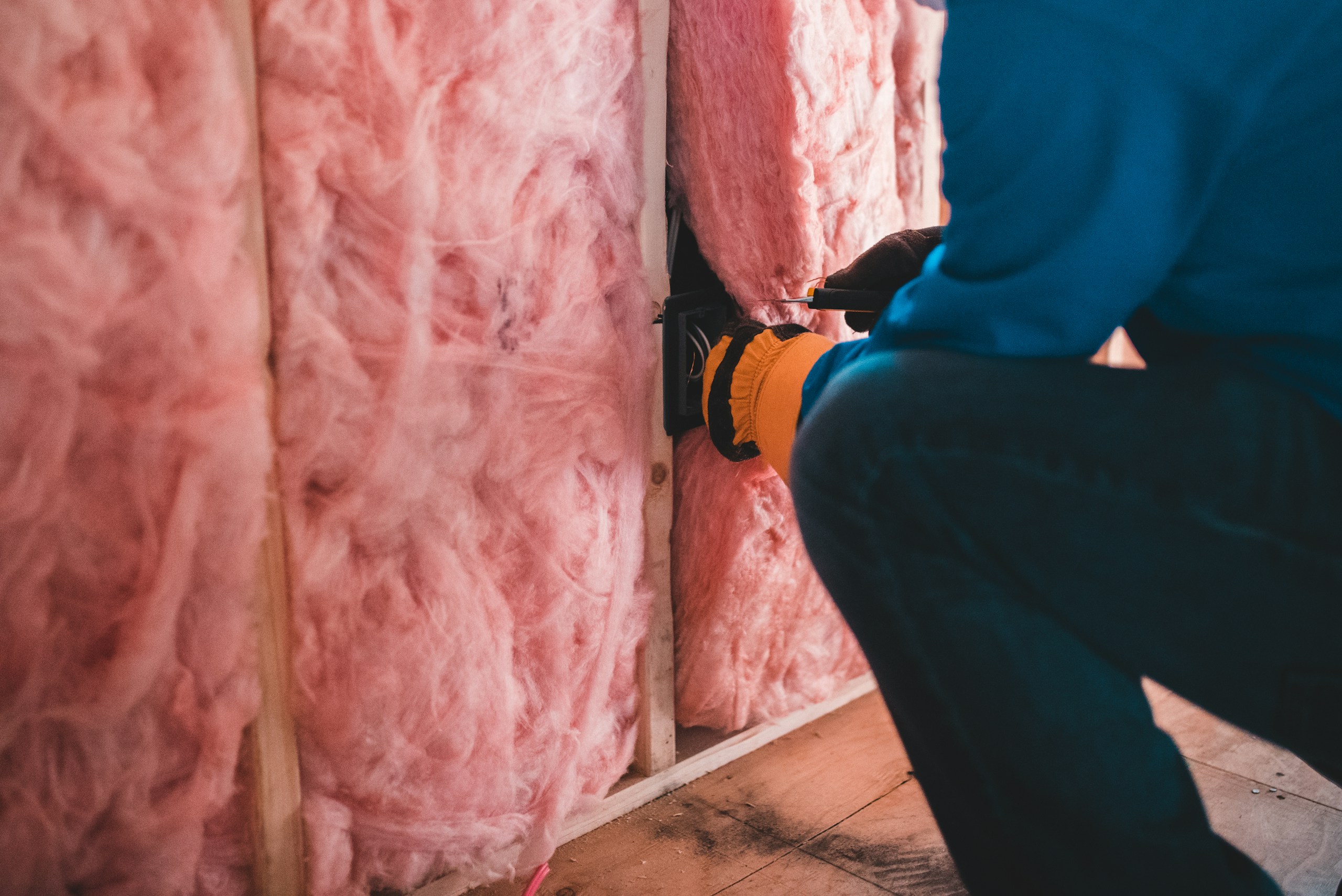
At the heart of energy efficiency is home insulation, which is critical in reducing heat transfer and subsequent energy consumption. Most UK homes rely on gas combi boilers, and without proper insulation, significant heat escapes through walls and roofs. Effective home insulation ensures a stable indoor climate, lowering the demand for energy.
In response to surging energy costs, the government introduced a significant policy shift last spring, eliminating VAT on energy-efficient home improvements such as insulation and solar panels. This initiative is designed to incentivise homeowners to invest in better insulation solutions, aiming for long-term financial savings and energy use reduction.
Despite these measures, energy campaigners argue that government actions fall short. There is a push for a 100% windfall tax on energy companies, with the goal of redirecting these funds towards sustainable projects or supporting families with poorly insulated homes. These calls highlight a broader demand for substantial interventions in the UK’s energy policy.
Government reluctance to impose such a tax reflects broader policy challenges, particularly as plans to lift consumer protections against high energy prices loom. This has sparked further debate on the adequacy of public support in combatting rising energy expenses.
The conversation around government policies on home insulation continues, as stakeholders weigh the sufficiency and impact of existing measures.
