
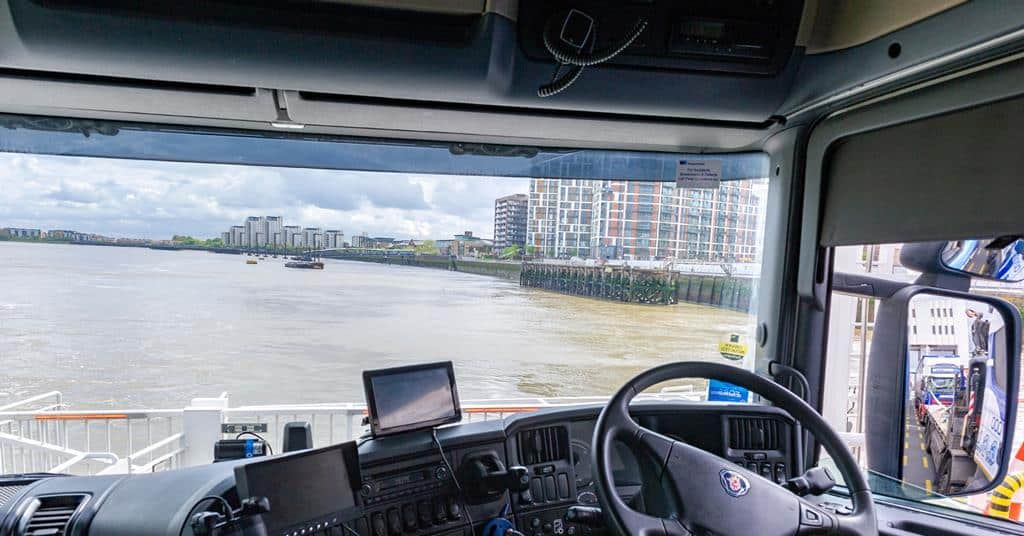

Rendrive Haulage criticises TfL over non-compliance with new Direct Vision Standards.
- After significant investment, Rendrive Haulage finds its fleet non-compliant due to TfL’s lack of awareness.
- Transport for London faces accusations of inadequate inspector training regarding new safety standards.
- Haulage firm’s compliance thwarted despite evidence and thorough driver training.
- Transport authorities and industry leaders acknowledge the confusion surrounding new directives.
Rendrive Haulage has openly criticised Transport for London (TfL) for deeming its fleet non-compliant with the newly established Direct Vision Standards (DVS), despite the company’s considerable investment to meet these requirements. Tony O’Malley, the Managing Director of Rendrive Haulage, expressed his frustration over the perceived inadequacies in TfL’s inspection processes, emphasising that his company had allocated over £100,000 to upgrade their vehicles with the necessary safety systems. This financial commitment was made in anticipation of the new standards set to be enforced in October. However, TfL inspectors demonstrated a surprising lack of awareness about these regulations, leading to the erroneous conclusion that Rendrive Haulage’s fleet was non-compliant.
O’Malley recounted instances where the company’s efforts to comply with the regulations were obstructed by inspectors’ unfamiliarity with the operational aspects of the newly implemented safety technologies. One inspector acknowledged their own lack of awareness and expressed willingness to consider the documentation and explanations provided by Rendrive Haulage. Conversely, another inspector blatantly refused to engage with the provided materials, citing time constraints and unfamiliarity with the new requirements, and as a result, declared a vehicle inspection failed after a cursory examination lasting less than two minutes.
The criticism extends to the broader implications of this oversight, with O’Malley stating that his drivers are comprehensively trained and equipped with extensive documentation, including handbooks, installation certificates, and technical compliance certifications. These documents substantiate the fleet’s adherence to the new safety measures. Despite the evidence presented, TfL’s actions suggest a systemic issue in the implementation of DVS requirements, thereby undermining the industry’s transition to safer operations.
In response to the scrutiny, a spokesperson for TfL acknowledged Rendrive Haulage’s grievances and assured that officers involved are indeed well-trained to monitor compliance. They reiterated that any system aligning with the progressive safety measures would automatically meet the compliance standards. TfL has committed to investigating the incidents further, signalling a willingness to address the highlighted discrepancies.
The introduction of the Direct Vision Standards has not been devoid of criticism, as evidenced by the creation of a DVS ‘explainer’ in conjunction with the Road Haulage Association (RHA). The association had previously cautioned that the standards lacked clarity, leaving hauliers uncertain about the necessary equipment to ensure compliance. Furthermore, there is a proposal to extend the preparation period for the new DVS by three months, reflecting significant concern among industry stakeholders. According to an RHA survey, 87% of its members expressed a desire for a 12-month extension to the current compliance grace period, underscoring the pervasive uncertainty surrounding the implementation of these standards.
Rendrive Haulage’s experience highlights critical challenges in implementing the new Direct Vision Standards.
