
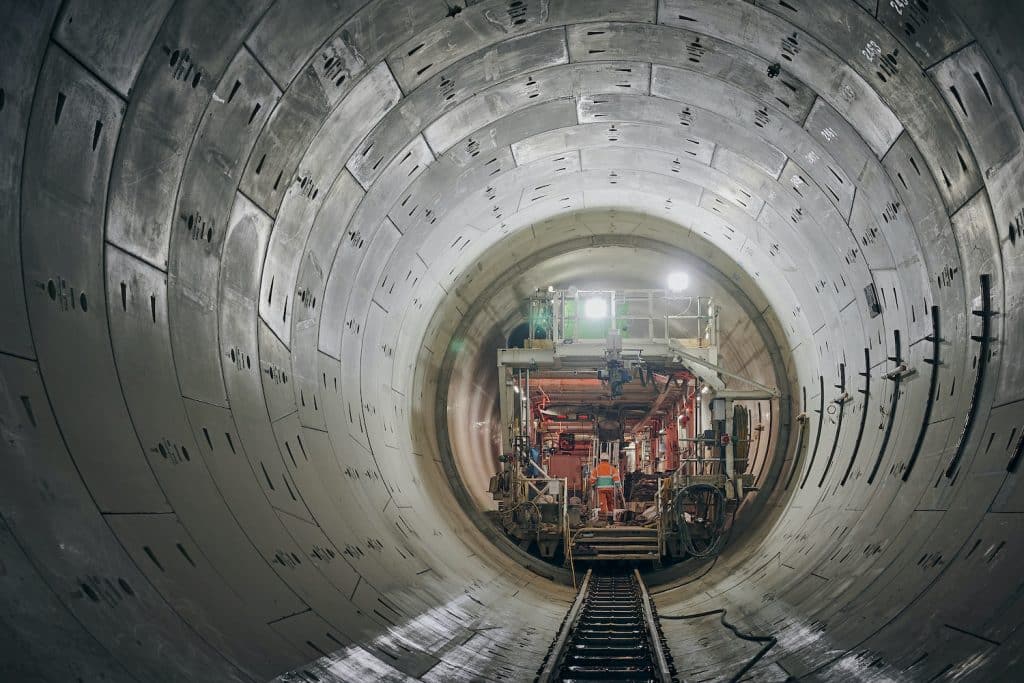

Tideway’s advancement heralds a transformative era for London’s infrastructure projects, showcasing significant achievements and challenging future possibilities.
- The Thames Tideway Tunnel, part of a major infrastructure project, has recently seen four of its 21 sites become operational, marking a critical milestone.
- The influence of the Crossrail project is evident in Tideway’s success, highlighting the continuity of skills and technology adopted from previous initiatives.
- Ingenious logistic innovations in Tideway have minimised road congestion by utilising the River Thames for transporting materials, differing from Crossrail’s methods.
- The recent heavy rainfall tested Tideway’s capacity, capturing significant water volumes and demonstrating its potential for managing London’s sewage challenges.
The development of the Thames Tideway Tunnel marks a pivotal chapter in London’s ongoing infrastructure evolution, setting a foundation for future advancements. With four out of 21 sites now operational, this “super sewer” begins to offer protection to the iconic River Thames, preventing sewage pollution. As it gears towards full completion by 2025, this ambitious project aims to bring seven public spaces along its course into use, thus enhancing urban resilience.
Thames Tideway’s chief executive Andy Mitchell credits the Crossrail project’s skill transfer as integral to Tideway’s progress. Emerging from Crossrail’s successful execution, the reuse of experienced workforce and tunnel technologies illustrates the benefits of maintaining project consistency. Mitchell underscores the importance of such continuities for large-scale projects across the UK, suggesting that these practices pave the way for a more systematic approach to national infrastructure strategies.
Tideway has innovatively leveraged the River Thames as a logistics route, a strategic decision to mitigate the impacts road use would have caused. Unlike the Crossrail project, Tideway’s choice to transport materials via the river highlights a unique adaptation to London’s geographical constraints, setting a precedent for future construction projects in congested urban settings.
Recent weather events have already put the Tideway system to the test. On the onset of its initial operation, substantial volumes of stormwater were captured, signifying the sewer’s potential to mitigate pollution incidents. Although it does not guarantee complete prevention, the system provides a robust framework to manage significant rainfall events, illustrating strategic foresight in addressing long-standing urban challenges.
The Thames Tideway Tunnel adopts a regulated asset base model to finance its activities, sharing construction costs between consumers and developers. This model, previously applied to Heathrow’s Terminal 5, reduces financial risks for developers, while offering economic benefits over the asset’s lifespan. The strategic financing method underpins this initiative, reinforcing its viability and serving as a financial blueprint for future projects.
The Thames Tideway Tunnel project exemplifies a robust approach to urban infrastructure, paving the way for future enhancements in London’s environmental management.
