
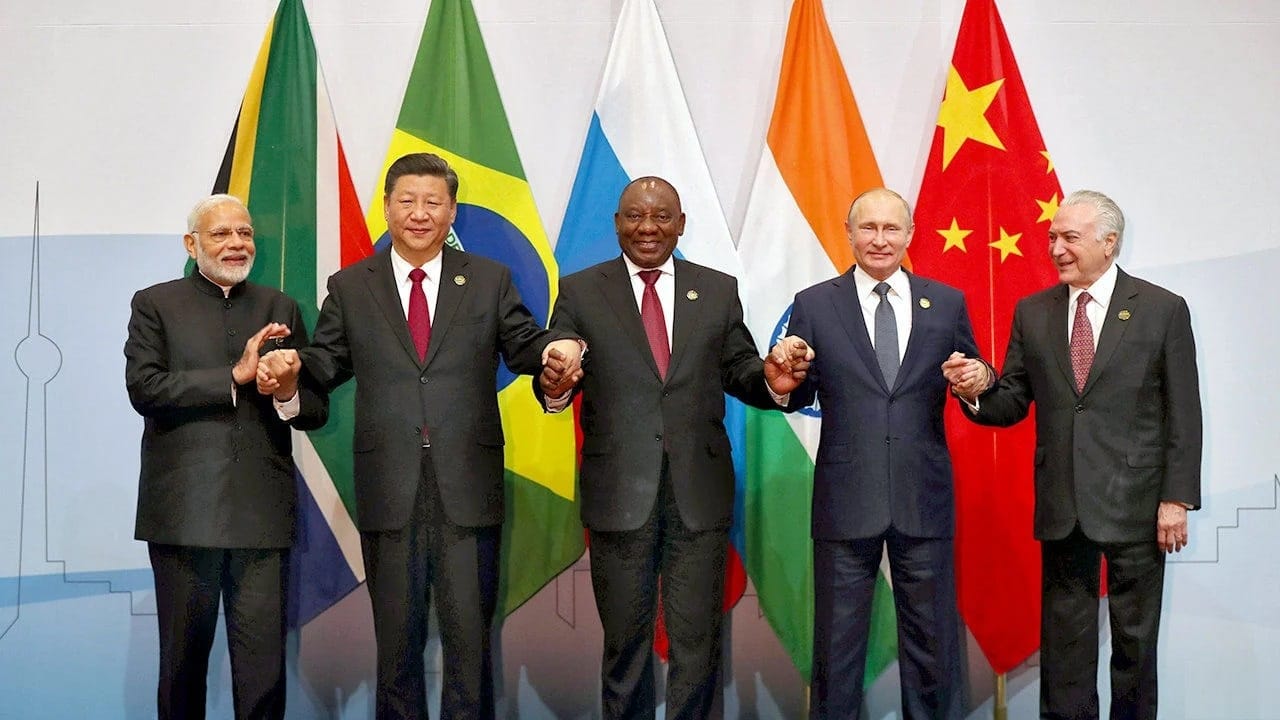

North American countries are making strategic moves towards joining BRICS. This development is gaining attention as it suggests a shift away from traditional economic alliances and the US dollar’s dominance.
By exploring BRICS membership, nations aim to benefit from a more diversified economic approach. This could potentially alter global economic dynamics, drawing interest from various geopolitical observers.
In a significant development, Cuba has officially applied to join the BRICS bloc, marking the first North American nation to formalize such an interest. The Russian Ambassador to Cuba, Viktor Coronelli, confirmed Cuba’s application. He highlighted Cuba’s eagerness to participate in BRICS’ wide array of activities, thus opening doors to potential collaborations and economic benefits.
The motivations behind this surge in applications are varied. Countries often seek economic diversification, trying to lessen their dependency on traditional Western economies. Furthermore, BRICS members’ growing share of global trade prompts many nations to reconsider their economic alignments.
Cuban President Miguel Díaz-Canel’s engagement at the BRICS summit signifies Cuba’s commitment to this new economic direction. His participation at the summit could pave the way for Cuba to integrate more profoundly into BRICS initiatives and collaborations.
Cuba’s potential membership will also be subjected to this rigorous assessment process. At present, BRICS is chaired by Russia, and it plays a pivotal role in leading discussions concerning new members. The decision remains collaborative, involving inputs from all member countries.
BRICS, as a consortium, is leveraging this agenda to attract new members, offering them the prospect of participating in a robust multilateral system that eschews the traditional dollar-dominated framework.
The potential membership could also influence Cuba’s diplomatic relations, reinforcing its position in the global arena. Such a move might reshape its interactions not only with BRICS nations but also with traditionally dominant Western economies.
As North American countries like Cuba seek BRICS membership, the global economic landscape is undergoing transformative changes. These developments could redefine economic alliances and power balances in the coming years.
The pursuit of BRICS membership by North American countries highlights an evolving geopolitical landscape focused on economic diversification and independence.
Cuba’s strategic steps towards joining BRICS signify its intent to play a more substantial role on the global economic stage while aligning with the bloc’s broader vision of a multi-currency trade environment.
