

The UK’s pioneering step towards autonomous driving is set to revolutionise transportation as the Automated Vehicles Act becomes law, paving the way for self-driving cars.
- The Automated Vehicles Act promises to inject £42bn into the economy and create 38,000 jobs by 2035, boosting the UK’s self-driving sector.
- Self-driving vehicles may alleviate driver shortages in challenging sectors like haulage and mining, while enhancing road safety by reducing human error.
- Stringent safety standards will ensure autonomous vehicles operate at a competency level equal to human drivers, aiming to decrease incidents caused by drink driving and fatigue.
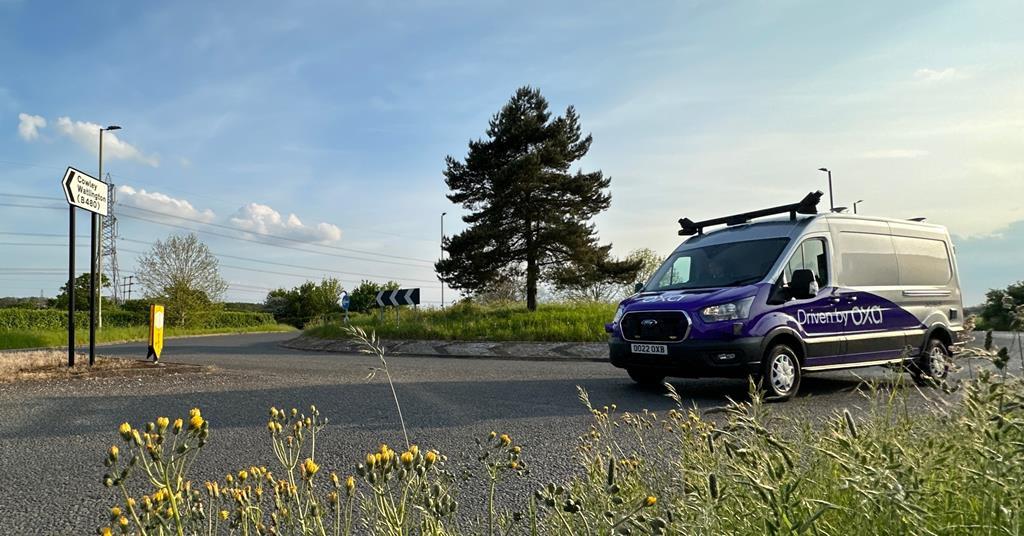
- Current trials by companies like Wayve and Oxa indicate robust progress, with regulatory frameworks strengthening the UK’s leadership in autonomous vehicle technology.
The implementation of the Automated Vehicles Act marks a significant milestone in the UK’s automotive industry, setting the stage for self-driving vehicles to operate on roads by 2026. Announced in the King’s Speech, this legislative advancement lays the groundwork for enhanced safety measures and ambitious economic growth targets in the self-driving vehicle sector. Notably, the act is poised to contribute an estimated £42bn to the economy and generate approximately 38,000 jobs by 2035, reinforcing the UK’s commitment to technological innovation.
The legislation not only aims to fill voids in sectors plagued by driver shortages, such as haulage and mining, but also seeks to mitigate risks associated with human error on the roads. With human error responsible for a majority of road accidents, the new law mandates that autonomous vehicles reach at least the same safety standards as cautious and competent human drivers. This requirement anticipates a meaningful reduction in accidents linked to drink driving, fatigue, and distraction.
Highlighting the broad implications of this legislative shift, Transport Secretary Mark Harper affirmed the transformative potential of the act, which ensures individuals retain the choice to drive while unlocking unprecedented safety and economic benefits. Current trials carried out by companies like Wayve and Oxa in urban areas such as London and Oxford underscore the rapid advancements being made in autonomous technology, buoyed by substantial investments and a supportive regulatory environment.
A crucial element of the act is the assignment of liability, offering assurance to drivers that responsibility will shift to insurance providers, software developers, and automotive manufacturers when a vehicle is in self-driving mode. This legal clarity, backed by an independent incident investigation function, aligns with practices that have historically sustained safety in the aviation sector. Ongoing obligations for these companies will emphasise continuous safety enhancements, aligning with British law and standards.
Paul Newman, founder of Oxa, lauded the comprehensive scope and clear requirements of the UK’s AV legislation, which surpasses international benchmarks. His sentiments were echoed by Alex Kendall, CEO of Wayve, who highlighted the legislation’s critical role in positioning the UK as a regulatory leader. Furthermore, the Act has catalysed a wave of optimism within the industry, with stakeholders like Mike Hawes, Chief Executive of SMMT, and Richard Cuerden from the Transport Research Laboratory, emphasising the necessity of public confidence and safety in the successful commercial deployment of self-driving vehicles.
The Automated Vehicles Act positions the UK at the forefront of autonomous driving technology, promising economic and safety advancements by 2026.
