
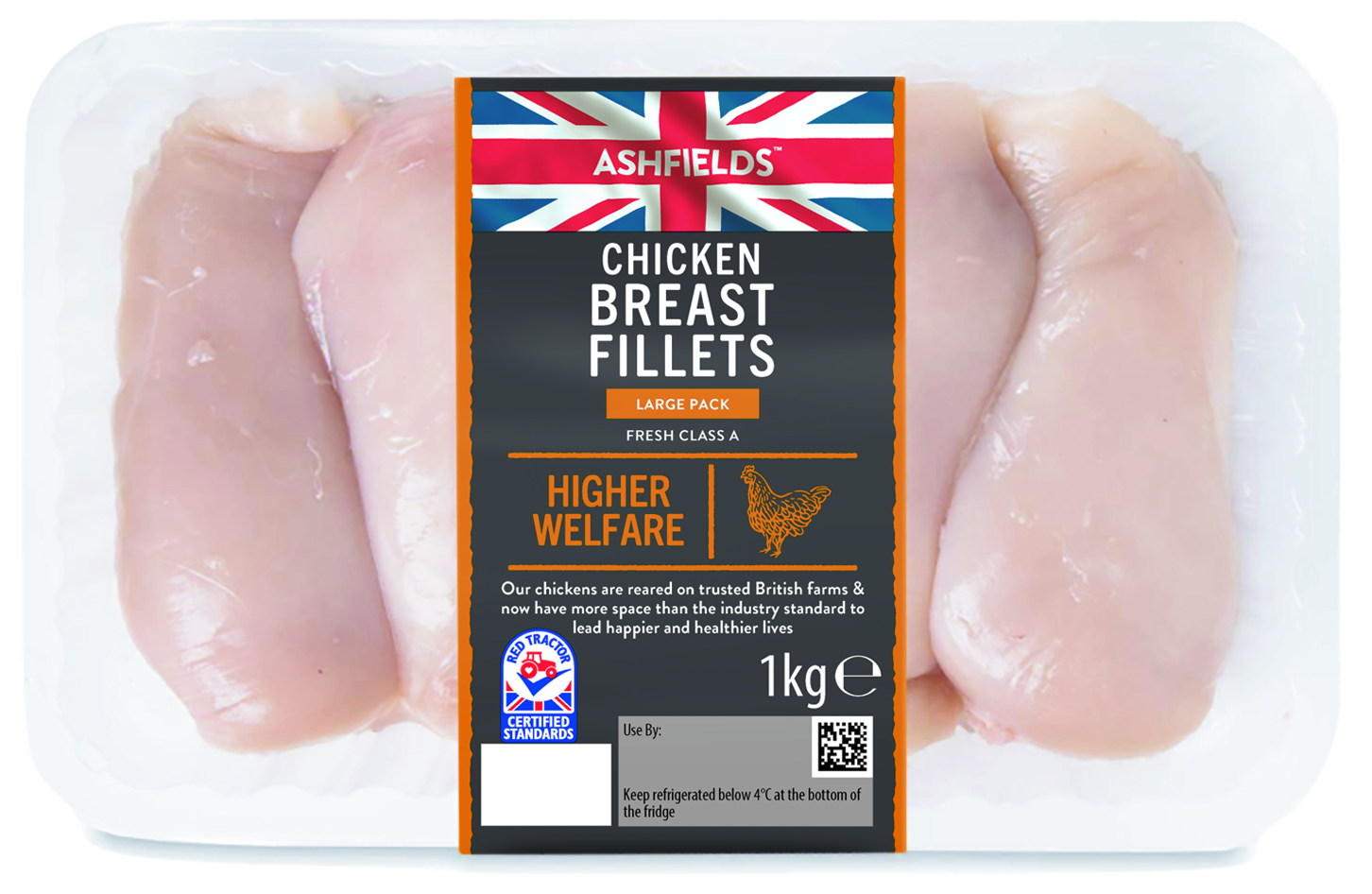

Aldi is set to revolutionise poultry packaging with labels reflecting its new stocking density requirements. This change reaffirms the company’s commitment to animal welfare.
Introduction of New Labels
Aldi, a prominent player in the retail sector, is introducing new packaging for its fresh chicken products starting 30 October. This initiative highlights the retailer’s upgraded stocking density guidelines, which surpass industry standards by providing chickens with 20% more space. The change is part of Aldi’s ongoing commitment to animal welfare, reflecting efforts to enhance living conditions for poultry. In alignment with this development, Aldi had previously transitioned to sourcing cage-free eggs, achieving this goal ahead of the anticipated schedule.
Commitment to Animal Welfare
According to Julie Ashfield, Aldi’s Managing Director of Buying, animal welfare is of paramount importance to the supermarket chain. She stated, “We’ve been working hard with our suppliers to reduce stocking density to help us improve the welfare conditions for chickens.” Aldi’s position as one of the UK’s largest providers of chicken is further solidified by this welfare-focused initiative. Consumers can look forward to accessing higher welfare chicken at Aldi’s renowned value proposition.
Industry Comparisons and Competitiveness
The retail sector is highly competitive, with players like Lidl also taking strides to improve chicken welfare standards. Earlier this year, Lidl announced plans to enhance space for its own-label fresh chicken products, aiming to exceed industry norms. This competitive environment has seen companies pushing boundaries in welfare standards to differentiate their products. Aldi’s proactive measures underscore its intent to lead in animal welfare, fostering trust and loyalty among discerning consumers who are increasingly concerned about ethical sourcing and sustainable practices.
Implementing New Standards
The transition to enhanced stocking density is set to complete by early 2025. This strategy involves reducing the maximum stocking density to 30kg per square metre, adhering to ambitious timelines. Such measures highlight Aldi’s dedication to continuous improvement and adaptation in line with welfare standards. By working closely with suppliers, Aldi ensures that changes are effectively integrated across its supply chain, maintaining alignment with its broader sustainability goals.
Consumer Awareness and Education
The introduction of new labels serves not only to inform but also educate consumers about Aldi’s welfare initiatives. By showcasing these changes directly on packaging, Aldi empowers consumers with the knowledge to make informed purchasing decisions. This transparency is crucial in building consumer trust, as it allows customers to align their consumption patterns with their ethical values. Knowledge of welfare conditions can significantly influence shopping behaviour, prompting more conscientious choices.
Broader Impact on Retail Practices
Aldi’s welfare initiative sets a precedent within the grocery sector, encouraging other retailers to evaluate and potentially revise their animal welfare policies. Such industry-wide reflections contribute to an overarching improvement in standards, facilitating better living conditions for poultry at a larger scale. Aldi’s move also exemplifies how ethical commitments can serve as a competitive advantage, positioning companies as leaders in sustainability and corporate responsibility.
Future Prospects and Sustainability Goals
As Aldi embarks on this path of improvement, the focus remains on sustainability and ethical sourcing as core pillars of its operational philosophy. The continued investment in welfare standards aligns with broader consumer trends favouring sustainable practices. This forward-thinking approach not only enhances Aldi’s brand image but also sets a direction for future initiatives aimed at environmental stewardship and ethical sourcing across its product range.
In adopting these new welfare standards, Aldi sets a high benchmark in ethical sourcing practices. Such efforts enhance consumer trust and support broader sustainability.
