
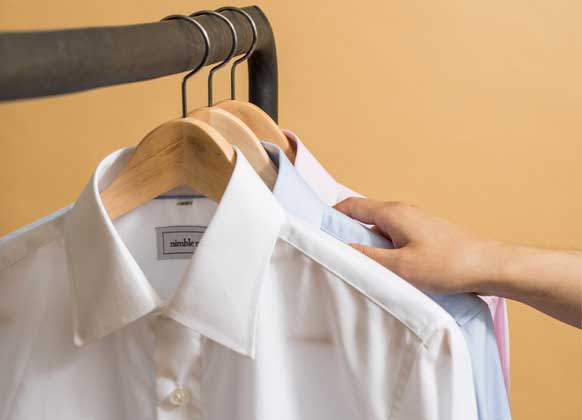

The landscape of workplace attire is evolving, balancing comfort with professionalism and reflecting shifting societal norms.
- The rigid dress codes of yesteryear are giving way to more flexible guidelines, allowing for greater personal expression and comfort.
- HR professionals are key players in navigating these changes, ensuring dress codes align with modern office culture and standards.
- Relaxed dress codes have been shown to improve morale and productivity, fostering a more inclusive and focused work environment.
- Consistent guidelines remain essential for defining acceptable attire and maintaining professionalism in diverse business settings.
In recent years, the concept of office attire has undergone significant transformation, transitioning from the strict formalities of suits and ties to a more relaxed interpretation that prioritises comfort and individual style. This shift is largely attributed to the rise of remote work and a growing emphasis on employee well-being, prompting many organisations to rethink their dress codes.
Historically, tailored suits represented the pinnacle of professionalism within office environments. However, the emergence of hybrid work models has seen a departure from these conventional norms. Today, employees often combine stylish comfort with functionality, opting for versatile garments such as cargo trousers that suit various office settings.
The role of Human Resources (HR) departments is pivotal as they redefine dress codes to mirror evolving workplace cultures. By fostering environments where employees feel at ease in their attire, HR can cultivate a sense of belonging and enhance productivity. This is crucial as businesses adapt to societal changes and the diversified expectations of their workforce.
While the relaxation of dress codes offers numerous benefits, the importance of establishing clear guidelines cannot be overstated. Organisations must delineate what constitutes acceptable attire to prevent ambiguity and maintain a professional standard, particularly in client-facing roles. HR teams must navigate these nuances carefully, ensuring that dress codes accommodate different departments while upholding company values.
Introducing a relaxed dress code necessitates a strategic approach. HR professionals are advised to involve employees in the decision-making process, gathering feedback to craft policies that resonate with the workforce. Implementing changes gradually, such as through casual dress days, allows employees to adapt and integrate new norms seamlessly into the workplace.
Moreover, relaxed dress codes can bridge the gap between management and employees, reducing perceived hierarchies. When leaders also adopt these guidelines, it signals a unified culture and fosters collaboration. Yet, HR must remain vigilant to prevent overly casual appearances that could undermine a professional image.
Ultimately, HR departments act as the architects of workplace culture. Their efforts in balancing comfort with professionalism shape the dress code policies that define organisational environments. This strategic alignment with modern office aspirations enhances employee satisfaction while sustaining an environment conducive to productivity.
The evolution of office attire reflects broader societal changes, with HR playing a crucial role in ensuring a professional yet comfortable workplace.

