
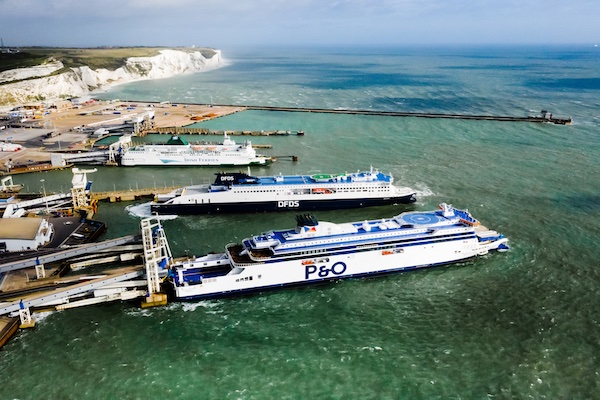

This summer, the Port of Dover is preparing for an extraordinary increase in passenger traffic coinciding with the Paris Olympic Games.
- A substantial 30% rise in passenger numbers is forecasted, leading to potential two-hour processing times during peak periods.
- In response, the port has expanded its tourist traffic border control facilities from seven to eleven posts.
- Collaborative efforts with UK and French authorities aim to ensure a streamlined summer operation despite challenges.
- Travellers are advised to arrive two hours before their sailing to enable smooth transit.
The upcoming Paris Olympic Games have led to an anticipated influx in passenger numbers at the Port of Dover, with predictions of a 30% increase. This surge is expected to stretch the port’s capacity, particularly during peak times between 6am and 1pm on Fridays through Sundays throughout the summer holidays. This situation is further compounded by the ongoing preparations for new EU border checks, demanding concerted efforts from all stakeholders involved.
To mitigate potential delays, the port has increased the number of border control posts dedicated to tourist traffic from seven to eleven. This enhancement, alongside the existing posts for freight and coaches, is part of a broader strategy to manage the expected deluge of passengers efficiently. Measures enacted by the port, in collaboration with UK and French border authorities, aim to maintain operational efficiency.
Port Chief Executive Doug Bannister emphasised the complex nature of this summer’s operations, highlighting the dual challenge of increased traffic and construction works for new infrastructure required by the EU’s forthcoming Entry/Exit system, set to commence in October. The infrastructure projects are impacting the Buffer Zone, thereby reducing its capacity, an inevitable complication given the simultaneous need to accommodate a higher volume of passengers eager to reach Paris.
Significant steps have been taken to accommodate the rising passenger numbers, yet Bannister has urged travellers to adhere to recommended arrival times. Just as one would at an airport, arriving two hours ahead of departure is crucial to facilitate a seamless experience. In instances of disrupted sailings, passengers will be promptly allocated onto subsequent services without incurring additional costs, owing to the continuous schedule of operations.
A concerted emphasis on traveller preparedness is also in place. Passengers are being reminded to keep their passports easily accessible to expedite their progression through the waiting queues, minimising disruption and contributing to an overall swifter transit for all involved.
The Port of Dover is making all necessary adjustments to handle the increased traffic smoothly and ensure a positive travel experience during the busy summer months.
