
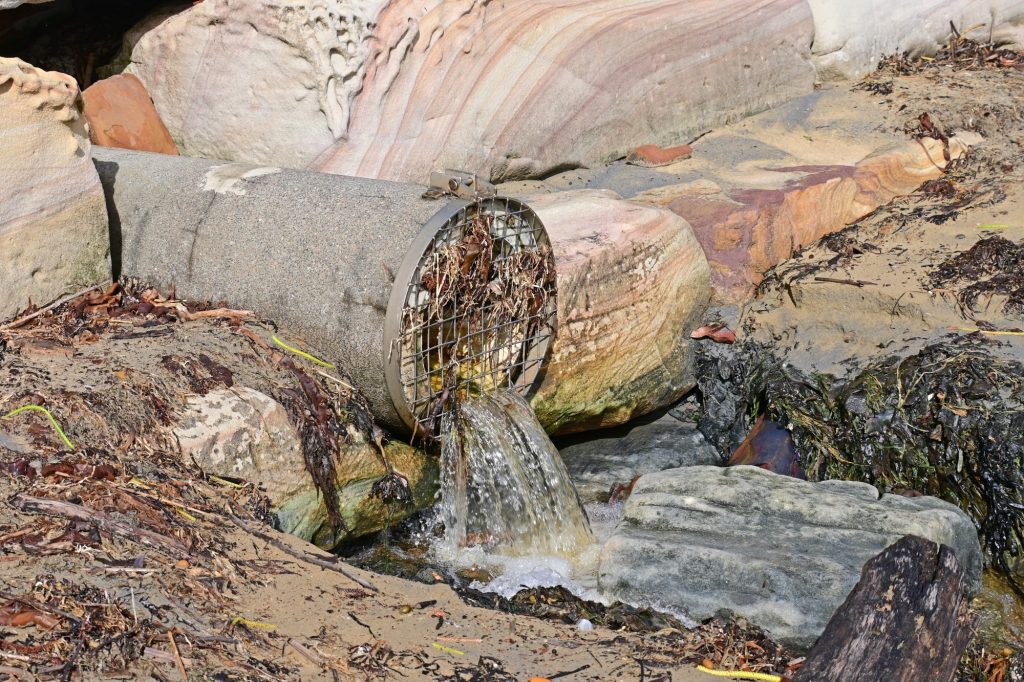

Three major water companies in the UK face substantial fines due to malpractice in managing wastewater systems, following a significant investigation by Ofwat.
- Thames Water is set to receive the highest penalty, with issues found in two-thirds of its wastewater treatment works.
- Yorkshire Water and Northumbrian Water also face substantial penalties for similar failures in managing their storm overflows and treatment capacity.
- These companies have not upgraded their infrastructure to meet modern demands, failing to limit pollution from storm overflows adequately.
- The investigation reflects a broader regulatory effort, with eight more companies currently under scrutiny.
Following an in-depth inquiry, Ofwat has proposed significant financial penalties totalling £168M for Thames Water, Yorkshire Water, and Northumbrian Water. These penalties come in response to their failures in adequately managing wastewater systems and preventing unnecessary sewage discharges into natural waterways, undermining both environmental safety and customer trust.
Thames Water is confronted with the largest fine of £104M, linked to its poor performance where 67% of its wastewater treatment facilities showed capacity and operational deficiencies. Additionally, 16% of its storm overflows breached compliance, indicating severe neglect in managing its systems as per legal requirements.
Yorkshire Water is facing a £47M penalty, spotlighted by 16% of its treatment works showing inefficiencies and a concerning 45% breach rate in storm overflow management. The firm has been criticised for its sluggish response in upgrading infrastructure and meeting environmental protection obligations.
Northumbrian Water’s fine stands at £17M, due to operational and capacity issues at 3% of its facilities, and a 9% breach in storm overflows, reflecting its inadequacy in system management. The disparities in compliance levels highlight varying degrees of neglect among the three companies.
Ofwat’s findings illustrate a structural negligence where these companies failed to modernise their operations in line with evolving environmental standards. This negligence is part of a larger issue being addressed by Ofwat, which is currently investigating additional cases involving eight other water companies across England and Wales.
The regulatory body emphasised its commitment to rectify these wrongs swiftly, with proposed enforcement orders aimed at prompting immediate improvements. Ofwat has assured the public that these fines will not be offset by increasing customer bills, underscoring accountability within these firms.
In reaction, the companies have expressed their commitment to rectification, albeit with different levels of agreement and acknowledgment of the issues cited by Ofwat. Thames Water and Yorkshire Water both outlined plans and investments aimed at system improvements, whereas Northumbrian Water challenged some of the standards enforced by the regulator.
Ofwat’s chief executive, David Black, pointed out the alarming frequency of illegal discharges, criticising the companies for failing to limit such releases to exceptional circumstances, as intended by law. The substantial penalties reflect the gravity of these failings and the regulatory body’s resolve to enforce environmental protection.
Ofwat’s investigation marks a pivotal step in holding water companies accountable for environmental protection, setting a precedent for future regulatory actions.

