

The European tourism industry is set for significant growth, with a projected spending of €800.5 billion in 2024.
- Travellers are spending more due to increased operating costs and the return of high-spending tourists from Asia Pacific.
- Southern Europe and the Mediterranean have experienced significant increases in tourist arrivals.
- There is a notable trend towards off-season and lesser-known destination travel among European tourists.
- The travel sector faces challenges such as rising costs and staff shortages despite the positive outlook.
The European tourism industry is on an upward trend with tourists expected to spend €800.5 billion this year. This marks a 13.7% increase compared to the previous year, primarily driven by higher operating costs and the resurgence of affluent tourists from the Asia Pacific region. Additionally, the demand for events and blended business-leisure trips contributes to this financial surge.
Significant growth in tourist arrivals has been reported in Southern Europe and the Mediterranean, with countries like Spain, Greece, Italy, and France demonstrating remarkable increases in spending. The figures currently stand at a 25% increase for both Spain and Greece, a 20% rise in Italy, and a 16% increase in France. Furthermore, Croatia, Bulgaria, and Romania have reported longer average stays, contributing to their overall tourism revenue.
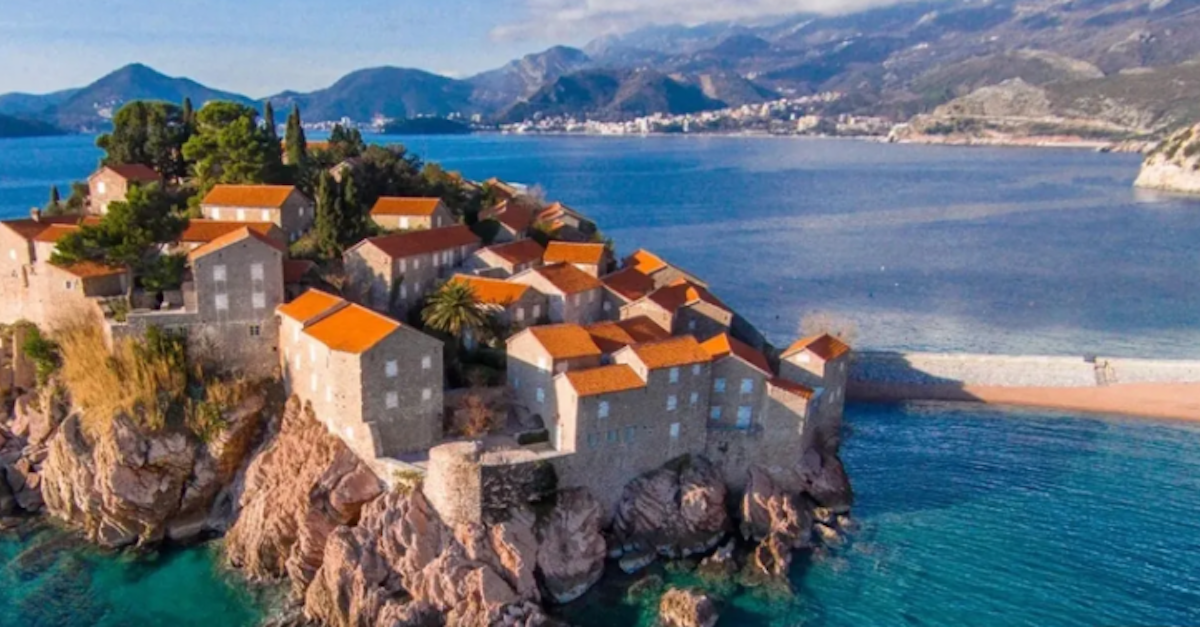
There is a discernible shift in travel patterns, with an increasing number of tourists opting for off-season travel and exploring lesser-known destinations. This change is attributed to a desire for value-for-money and unique experiences. Albania and Montenegro have seen exceptional growth in market share, with increases of 86% and 31% respectively since 2019.
The European Travel Commission highlights a burgeoning interest in travel beyond traditional hotspots, as evidenced by online discussions praising destinations like Madeira and Norway. These conversations frequently underscore the importance of sustainability in travel, despite concerns over the social and environmental impacts of overcrowding.
Despite this growth, the travel sector is not without its challenges. Rising accommodation and business operation costs, coupled with staffing shortages, pose significant hurdles. While these issues have eased slightly from the last quarter, they remain a concern for the industry’s future sustainability. Nevertheless, the expansion of rail networks, such as Deutsche Bahn’s 21% increase in international routes since 2019 and Eurostar’s return to pre-pandemic levels, offers new opportunities for exploring Europe.
The European tourism industry’s impressive growth in 2024 is tempered by ongoing challenges, necessitating a balanced and sustainable approach.
