
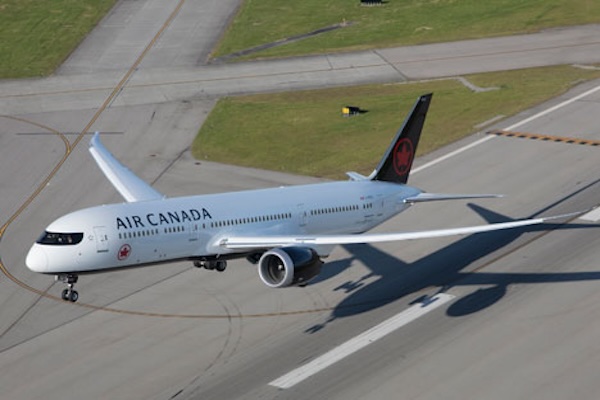

Air Canada faces a potential pilot strike starting from mid-September. The looming industrial action arises due to ongoing contract negotiations between the airline and the pilots’ union.
The Air Line Pilots Association, representing over 5,200 pilots, overwhelmingly voted in favour of a strike mandate. The vote reflects ongoing dissatisfaction despite more than a year of negotiations facilitated by a federal conciliator.
The potential strike action by Air Canada’s pilots results from prolonged negotiations with no resolution in sight. The Air Line Pilots Association (ALPA), which represents over 5,200 Air Canada pilots, has expressed dissatisfaction with the progress of talks. A federal conciliator has been overseeing these negotiations, yet strains remain apparent as pilots demand fairer terms.
Earlier this week, ALPA announced that 98% of its members voted in favour of a strike mandate. This overwhelming support signifies the union’s readiness to escalate actions if necessary. The vote serves as a clear message to Air Canada, indicating pilots’ willingness to stand firm in their demands. However, it also marks a standard procedure within prolonged negotiations.
“Such a vote is a normal step in a negotiation process and does not mean that any disruption will take place,” Air Canada clarified. This perspective aims to reassure passengers and stakeholders that negotiations will continue in hopes of a constructive resolution.
The 21-day cooling-off period is a crucial phase. It provides not only a strategic pause but also allows for additional dialogue and potential resolution before any industrial action is undertaken. This structured timeline underscores the complexities involved in airline union negotiations.
The continued involvement of the conciliator may prove beneficial. It serves as a buffer, creating conditions that might foster mutual understanding. Yet, the effectiveness of these interventions remains to be seen as the deadline nears.
Should the strike proceed, contingency plans could include accommodating passengers on other airlines or providing refunds. Such actions would be crucial in mitigating the impact on travellers and maintaining customer trust.
Air Canada’s proactive communication efforts aim to manage stakeholder expectations. The airline seeks to reassure investors while maintaining transparency with its customers about ongoing negotiations.
In conclusion, the possibility of a pilot strike looms over Air Canada, with significant implications for the airline and its passengers. The ongoing negotiations remain critical in averting disruption.
The role of the federal conciliator and the structured timeline provide hope for resolution, though the outcome remains uncertain as the mid-September deadline approaches.
