
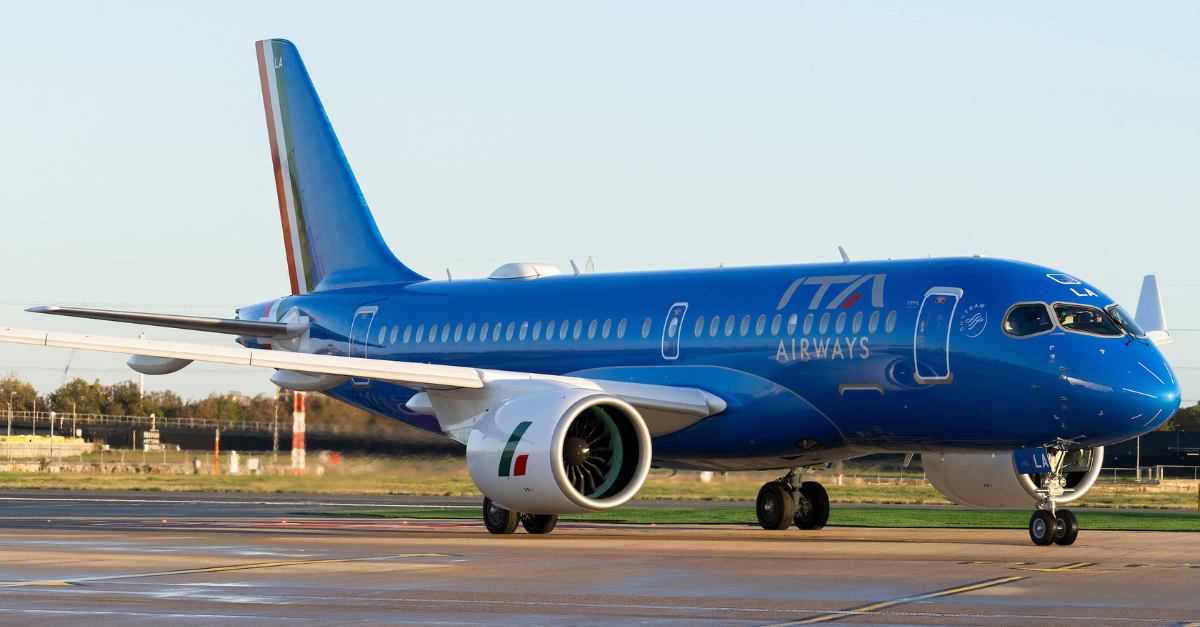

The European Commission has initiated an in-depth inquiry into Lufthansa’s proposal to acquire a significant stake in ITA Airways. This move scrutinises potential impacts on market competition and airline services.
The proposed deal, involving Lufthansa’s acquisition of a 41% stake in ITA Airways, has raised flags regarding competitive dynamics within the airline sector. The probe reflects broader regulatory concerns of potential monopolistic trends.
Background of the Lufthansa and ITA Deal
In May, Lufthansa announced its intention to purchase a 41% minority stake in the state-owned ITA Airways for €325 million via a capital increase. This acquisition is part of Lufthansa’s broader strategic efforts to expand its influence within the European aviation market. The transaction not only represents a significant investment by Lufthansa but also hints at potential future expansions, as the agreement comprises options for Lufthansa to potentially increase its stake or fully acquire ITA Airways.
The European Commission, acting as the regulatory body, has responded by opening an in-depth investigation to examine how this acquisition may affect competition. The probe reflects the Commission’s commitment to maintaining a competitive marketplace within the European Union, ensuring that no single entity gains disproportionate control that could stifle competition.
Concerns Over Market Competition
The primary concern of the European Commission is the potential reduction of competition resulting from this acquisition. There is a fear that Lufthansa’s new stake could diminish competitive pressures on both short-haul and long-haul routes, particularly those in and out of Italy.
Lufthansa and ITA Airways are already considered strong competitors on certain routes. By joining forces, there’s a risk that other airlines might struggle to maintain their market presence. This could lead to decreased options for consumers and potentially higher fares.
Impact on Other Airline Operators
Regulators are also examining potential impacts on other operators who rely on ITA’s network. There is a concern that Lufthansa’s strategic moves might hinder these airlines’ access to ITA’s domestic and short-haul routes, which serve as critical feeder lines for international connections.
Such outcomes could have broader ramifications for the airline industry’s competitive landscape, potentially affecting connectivity and service routes across Europe. There are apprehensions that this could lead to monopolistic behaviours, necessitating thorough regulatory oversight.
Lufthansa’s Strategic Positioning
Through this acquisition, Lufthansa envisions enhancing its strategic positioning within the European market. The airline aims to leverage ITA Airways’ networks to fortify its service offerings and expand its reach.
This strategic investment could open up new routes and enhance operational efficiency. However, it comes with regulatory challenges that Lufthansa must navigate to achieve its objectives. The outcome of the European Commission’s investigation will play a pivotal role in determining Lufthansa’s future actions and strategies.
Regulatory and Legal Frameworks
The Commission’s inquiry underscores the complexities of regulatory frameworks governing significant mergers and acquisitions within the EU. It highlights the need for stringent scrutiny to prevent unfair competitive advantages.
The investigation will explore the legal aspects of the deal, ensuring compliance with European antitrust laws designed to protect market integrity. This process is essential to maintain a balance between corporate growth aspirations and public interest.
Potential Outcomes and Implications
The investigation is expected to span approximately 90 working days, during which the Commission will evaluate Lufthansa’s commitments to address initial concerns. These include possible concessions or adjustments to the deal to mitigate competitive risks.
Depending on the findings, Lufthansa may need to alter its acquisition structure. The outcome will not only affect Lufthansa and ITA but could also set precedents for future airline mergers and acquisitions within the EU.
During the probe, Lufthansa has assured its willingness to collaborate and address the Commission’s concerns, aiming to align its acquisition strategy with regulatory expectations.
Stakeholder Reactions
Market stakeholders and industry observers are closely watching the proceedings. There is significant interest in how this acquisition might reshape the competitive dynamics among European airlines.
The European Commission’s probe into Lufthansa’s ITA acquisition underscores the intricate balance between corporate strategy and regulatory oversight. As the aviation industry keenly observes the proceedings, the outcome could significantly influence future airline merger landscapes.
