
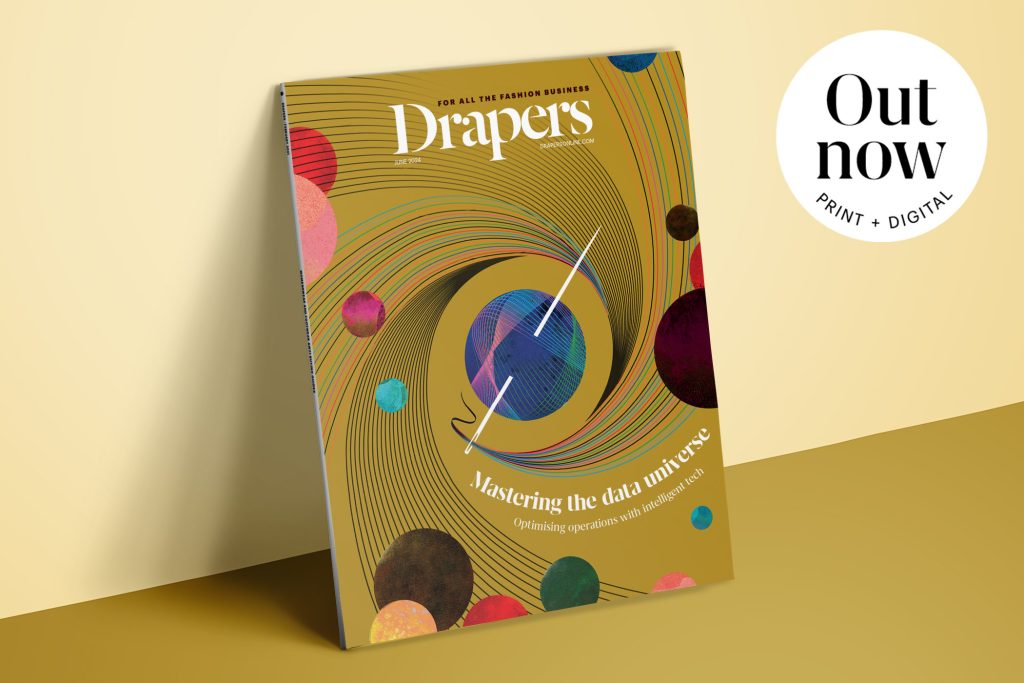

Retailers are increasingly collecting supply chain data, moving beyond customer-focused insights.
- Advancements in technology are reshaping retail, from VR headsets to social media streaming.
- AI and new chemical processes are key in sustainable fashion and recycling.
- Luxury brands are intensifying exclusivity, impacting accessibility and social media presence.
- Brands are leveraging major sports events for new marketing strategies.
In 2024, retailers are shifting their attention from solely gathering customer data to incorporating supply chain insights. This transition is largely driven by the need to enhance operational efficiencies and understand the origin of their products more deeply. The ability to trace and analyse data from the supply chain is providing retailers with a more holistic view of their business operations, enabling smarter decision-making processes.
The integration of virtual reality and social media streaming into the retail sector signifies a major technological evolution. These advancements are not merely marketing gimmicks, but rather transformative tools that allow brands to create immersive shopping experiences. Such technologies are likely to redefine how consumers engage with products and make purchasing decisions, offering a unique blend of convenience and innovation.
Artificial intelligence, in combination with innovative chemical processes, is at the forefront of sustainable fashion practices. High-tech sorting systems and AI-driven recycling methods represent significant steps forward in reducing waste and promoting eco-friendly practices in the industry. These developments highlight the potential for technology to address some of the most pressing environmental challenges currently faced by the fashion sector.
The trend of luxury fashion brands opting for heightened exclusivity measures reflects a strategic shift in their market positioning. By limiting access to both products and live fashion shows, brands aim to foster a sense of rarity and allure around their offerings. This approach extends to a reduced presence on social media, where the focus is on quality over quantity of interactions, influencing how luxury is perceived by consumers.
As the world gears up for a summer filled with international sports events such as the Olympics, Paralympics, Wimbledon, and the Euros, fashion brands are actively aligning their marketing efforts with these global spectacles. This strategy not only enhances their visibility but also taps into the thematic enthusiasm surrounding sports, thus driving consumer engagement and potentially boosting sales.
The fusion of technology, sustainability, and strategic market positioning is reshaping the future landscape of the fashion industry.
