

Nuclear Waste Services (NWS) has issued a call for research into engineered barrier systems for nuclear waste storage.
- A future requirement for £58M worth of research and development services is announced.
- The research focuses on the long-term storage of nuclear waste in geological disposal facilities (GDF).
- The involvement of multiple communities in hosting GDFs is under discussion, with significant local investments expected.
- The initiative is part of the UK’s commitment to managing hazardous radioactive waste safely and sustainably.
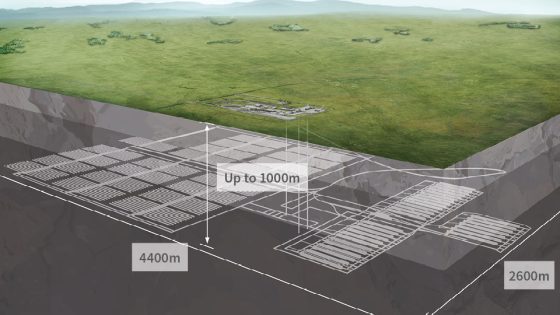
Nuclear Waste Services (NWS) has made a substantial move towards enhancing nuclear waste safety by seeking research into engineered barrier systems (EBS). These systems are vital for the long-term storage of nuclear waste in geological disposal facilities (GDF). NWS’s call to the market is valued at £58M, focusing on the development of the EBS and Materials Science Framework. This research aims to refine the safety parameters of vaults that will be constructed 1km underground, designed specifically for nuclear waste storage from power stations.
The initiative highlights the necessity of developing container materials and systems that will function effectively at specific UK sites. An essential component of this framework involves research into waste package accident performance and testing under repository conditions. The systems include barriers for differing heat-generating waste and must assure compatibility with tunnel liners as part of a comprehensive safety assessment.
NWS underscores the importance of a multi-barrier approach for waste containment. An NWS spokesperson clarified that such barriers would involve not only containers like boxes, drums, and canisters but also engineered geological formations as part of the containment strategy. This method aims to ensure that radiation does not reach the surface environment at harmful levels, thus protecting public health and the environment.
A prior information notice (PIN) released by NWS indicates that the market should be ready to take part in developing high-specification materials, such as clays or cements, that aid in containing radioactivity securely. This notice assists in preparing for the deployment and safety evaluation of these systems, further solidifying the permanent and safe storage mandate.
The GDF programme is expected to make significant impacts on local communities. Potential host communities, currently being considered in areas such as Cumbria and Lincolnshire, could receive substantial investments. These investments will fund local developments, including education, infrastructure, and skills, stimulating economic growth and creating numerous job opportunities over the coming decades.
The proposed research marks a critical step in ensuring the long-term safety and security of nuclear waste management in the UK.

