
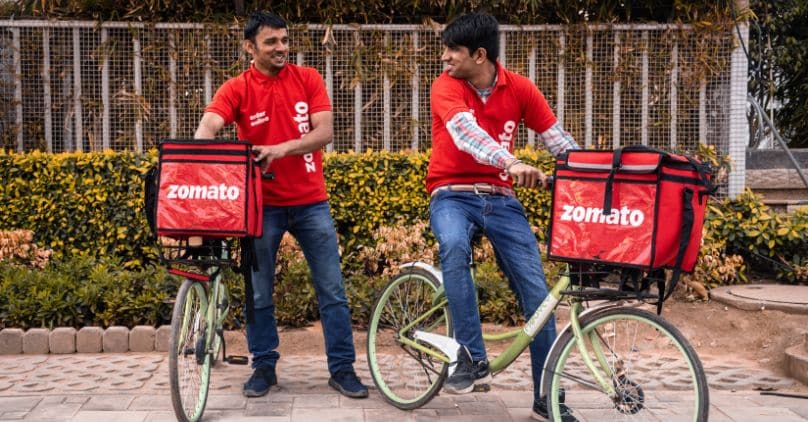

In the dynamic landscape of India’s quick-commerce industry, Zomato has made a decisive move. The company is set to raise $1 billion through a share sale, underlining its aggressive growth plans.
This initiative comes just as Swiggy, its main competitor, prepares for an IPO seeking $1.4 billion. The timing reflects Zomato’s intent to reinforce its market position in this rapidly changing sector.
Zomato’s Ambitious Capital Raise
Zomato is taking a bold step by planning a significant $1 billion share sale to institutional investors. This strategic move comes before Swiggy, its primary competitor, launches its own IPO aiming to raise $1.4 billion. The timing of this decision is critical as it positions Zomato to strengthen its market presence amidst the rapidly evolving quick-commerce industry in India. The initiative marks the first major fundraising since its 2021 IPO.
The Role of Blinkit in Zomato’s Strategy
Zomato’s acquisition of Blinkit, a prominent quick-commerce platform, is central to its current expansion strategy. Quick-commerce delivers items within minutes, transforming consumer behaviour and challenging traditional e-commerce models in India. Zomato aims to maintain competitive advantage against other giants such as Swiggy, Zepto, and BigBasket. Analysts speculate this capital raise is partially intended to reduce foreign ownership, allowing Blinkit to adopt an inventory-based business model. This transition could streamline operations and cut costs. Reports also indicate that this change could enable Blinkit to broaden its range beyond groceries.
Zomato’s Robust Financials
Despite the surprising decision to pursue additional capital, Zomato’s financial position appears solid. For the quarter ending September, the company reported a profit of $20.9 million, with revenues at $570 million, showing a remarkable 70% year-on-year growth. Food delivery margins are steady, and the quick-commerce division is nearing breakeven. CEO Deepinder Goyal, in a shareholder letter, emphasized that while capital alone doesn’t guarantee success, Zomato’s goal is to be on par with its competitors in the highly competitive quick-commerce sector. Maintaining a healthy liquidity balance is vital in this industry.
Competitive Landscape and Industry Implications
Zomato’s strategy to raise $1 billion comes as Swiggy prepares for a massive $1.4 billion IPO, indicating escalating competition in the quick-commerce domain. Backed by significant investors like Prosus Ventures and SoftBank, Swiggy remains a formidable opponent. Moreover, Zepto, a Mumbai-based startup, is also seeking fresh capital towards expansion. The sector is projected to generate $6.5 billion in revenue annually. Blinkit’s inventory-based approach, facilitated by reducing foreign stakes, is expected to enhance supply chain efficiency and explore new product categories, offering Zomato a competitive edge.
The Emergence of Quick-Commerce
Quick-commerce, characterised by the ultrafast delivery of items like groceries and office supplies, has dramatically changed consumer expectations.This model challenges traditional e-commerce with longer delivery times. The sector is exceeding expectations for growth, with its evolution now relying on operational efficiency and innovation in logistics. Analysts believe the forthcoming phase will focus more on refining delivery mechanisms and expanding product offerings beyond groceries.
Strategic Allocation of Capital
Some analysts are bemused by Zomato’s choice to raise $1 billion, considering its hefty $1.2 billion cash reserves. This decision signals Zomato’s preparation to navigate an aggressive competitive terrain. Goyal’s assertion of creating a “level playing field” points towards readiness to challenge rivals like Swiggy. Quick-commerce typically operates on tight margins, often just about 2% of the Gross Order Value, necessitating capital to absorb potential losses and fund new ventures, integral to sustaining leadership in this thriving sector.
Market Outlook
Zomato’s capital raise strategy ahead of Swiggy’s IPO underscores the fierce nature of India’s quick-commerce competition. Both entities are striving for long-term market dominance. While Zomato demonstrates financial health, the additional funding supports the potential shift of Blinkit into an inventory-controlled model, improving efficiency and diversifying revenue streams. As rapid retail evolves, maintaining innovation and service excellence remains pivotal.
The quick-commerce sector in India is witnessing unprecedented developments.
Zomato’s bold capital strategy not only prepares it for stringent competition but also paves the way for innovative growth and expanded market share.

