
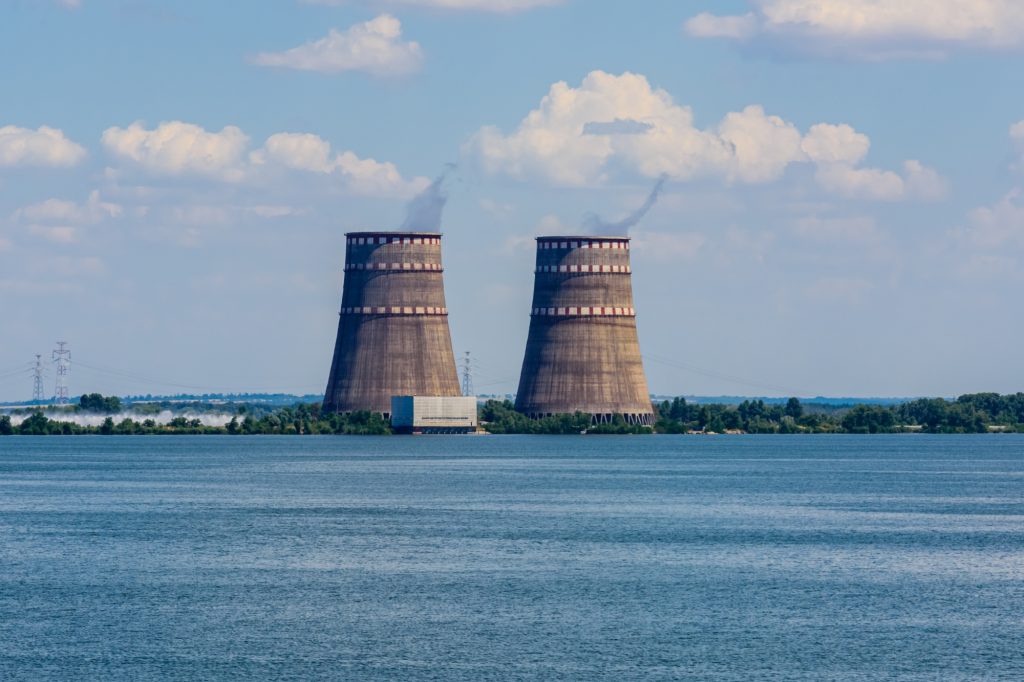

An attack on Ukraine’s Zaporizhzhia Nuclear Power Plant has raised international alarm, with accusations flying between Russia and Ukraine over responsibility. The incident highlights ongoing geopolitical tensions and nuclear safety concerns at the occupied facility.
- The International Atomic Energy Agency (IAEA) confirmed explosions and fires at the plant, though nuclear safety remains uncompromised for now.
- Social media footage displayed significant smoke and flames, sparking fears of potential nuclear hazards despite current assurances.
- IAEA’s director general emphasised the violation of safety protocols and called for an immediate cessation of hostilities around the plant.
- Previous incidents at the site have already underscored its vulnerability amidst conflict-related risks.
The recent suspected drone strike on Ukraine’s Zaporizhzhia Nuclear Power Plant, which is under Russian control, has reverberated through the international community. Footage shared across social media platforms captured alarming scenes of fires and dark smoke billowing from one of the cooling towers, yet the International Atomic Energy Agency (IAEA) confirmed that nuclear safety had not been compromised. The IAEA reported explosions coinciding with the alleged drone impact, yet attributed no direct safety risks to the plant’s reactors.
Tensions have reached a crescendo with both Russia and Ukraine blaming each other for the attack. This incident, distinct in its location, involves facilities situated on both Ukraine’s territory and Russian-occupied land. The plant, positioned along the Dnipro River, is a focal point in Russia’s broader strategy involving nuclear threats and coercive diplomacy. The IAEA’s difficulty in accessing the site due to Russia’s military presence complicates impartial assessments and verification efforts.
IAEA representatives iterated that while the reactors remain in cold shutdown with no immediate elevation in radiation levels, the risk of a fire spreading from the afflicted cooling towers to the reactors cannot be dismissed. The cooling towers stand north of the main facility, outside its perimeter, thus marginally limiting the immediate danger but not eliminating potential threats linked to wartime activities.
Continuing with the site’s tumultuous history, the plant has repeatedly been at the centre of hostile exchanges. Back in June 2024, UK diplomats starkly criticised Russia’s strategic control over Ukraine’s energy infrastructure. More specifically, they urged a decisive international response to what they termed as Russia’s illegal military actions targeting vital assets. In a recent address, the IAEA director expressed serious concerns, asserting that such military actions flaunt established United Nations Security Council principles for nuclear facility protection.
The ongoing occupation of the plant underscores a significant geostrategic concern with ramifications extending beyond immediate conflict zones. It is not the first episode to elevate anxiety regarding the safety and security of critical infrastructure due to military aggression. UK government officials have persistently raised alarms about these unacceptable risks during international forums, highlighting the fragile status quo.
The purported drone attack on Zaporizhzhia’s nuclear site is a stark reminder of the perils posed by warfare near vital infrastructure.

