

World Mental Health Day highlights the vital topic of workplace mental health, gaining attention over recent years.
- Investment in workplace mental health shows significant returns, enhancing productivity and reducing absenteeism.
- Businesses often see mental health as a luxury, not a necessity; a perspective that needs urgent change.
- Creating a mental health-friendly culture requires genuine, meaningful commitment beyond mere training initiatives.
- Barriers, such as high-pressure environments, hinder mental health support, yet solutions are achievable.
This year’s World Mental Health Day underscores the growing significance of mental health in the workplace, an area that has been increasingly recognised over the past years. The focus is on establishing discussions that lead to positive actions, supported by data suggesting that investment in mental health support can yield returns between five to eight times the initial outlay. Benefits include increased employee engagement, reduced absenteeism, and enhanced overall loyalty and productivity.
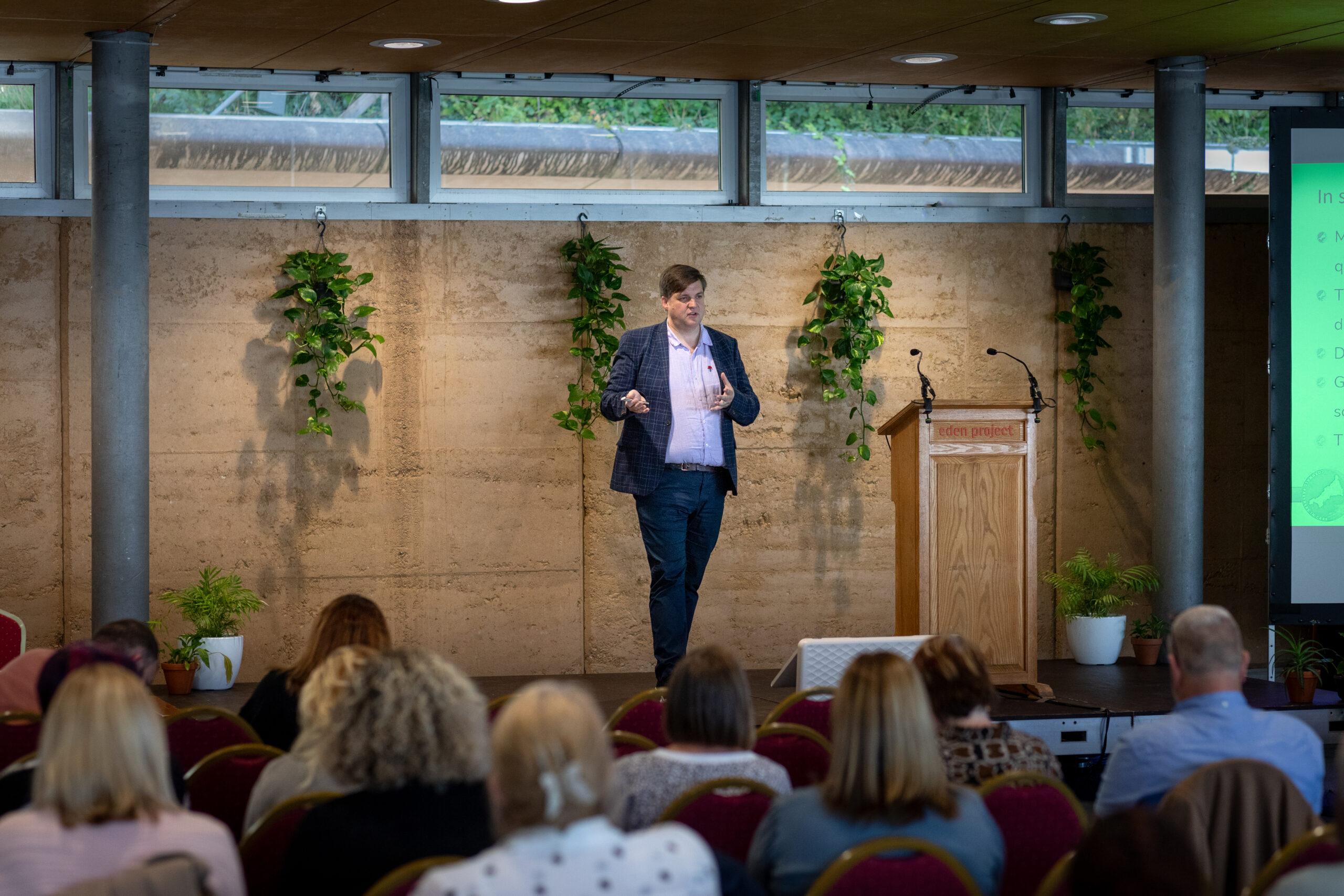
Despite these advantages, many businesses still regard mental health as an optional extra, often only considered if financial conditions allow. Nathan Shearman, Director of Therapy and Training at Red Umbrella, emphasises that changing this perception is paramount in addressing the mental health crisis among employees. He stresses the necessity of developing a culture that truly values mental health, suggesting that while initiatives like Mental Health First Aid training are beneficial, they alone are inadequate in shifting company culture substantially.
Shearman recommends starting by evaluating existing mental health programs and their effectiveness, identifying gaps, and understanding staff sentiments towards current offerings. Appointing mental health first aiders is crucial, but they must be empowered and actively supported. Importantly, Shearman highlights that mental health strategies must be tailored to the unique needs of each organisation, dismissing the idea of a one-size-fits-all approach.
Barriers obstructing these goals include the prevalent mindset that links mental health support to negative productivity impacts. Businesses tend to consider the cost of lost workdays due to mental health issues, neglecting the long-term gains in staff retention, recruitment, and productivity that come from supporting mental well-being. Moreover, high-pressure work environments often push mental health concerns aside, even though effective support systems can ease pressure and improve management of targets.
The role of individuals and teams is crucial in evolving mental health culture. Culture within an organisation begins with the directives established by leadership but is enacted across all employee levels. A holistic approach, where everyone understands their part in fostering this culture, is essential. Each member of the workforce bears responsibility for sustaining mental health awareness and practices, culminating in a unified effort towards long-term, structural change. Key influencers within the organisation should be equipped with mental health training, enabling them to lead by example and guide their peers effectively.
Creating a sustainable mental health culture is an ongoing process, likened to tending a garden. It requires continuous attention and nurturing to flourish. The aim is to ensure that employees feel supported, valued, and free to express struggles. The journey involves collaboration across various organisational levels, making use of those with the most significant interconnections to propagate a supportive environment.
A profound shift in workplace culture towards prioritising mental health is essential and requires collective responsibility and action.

