
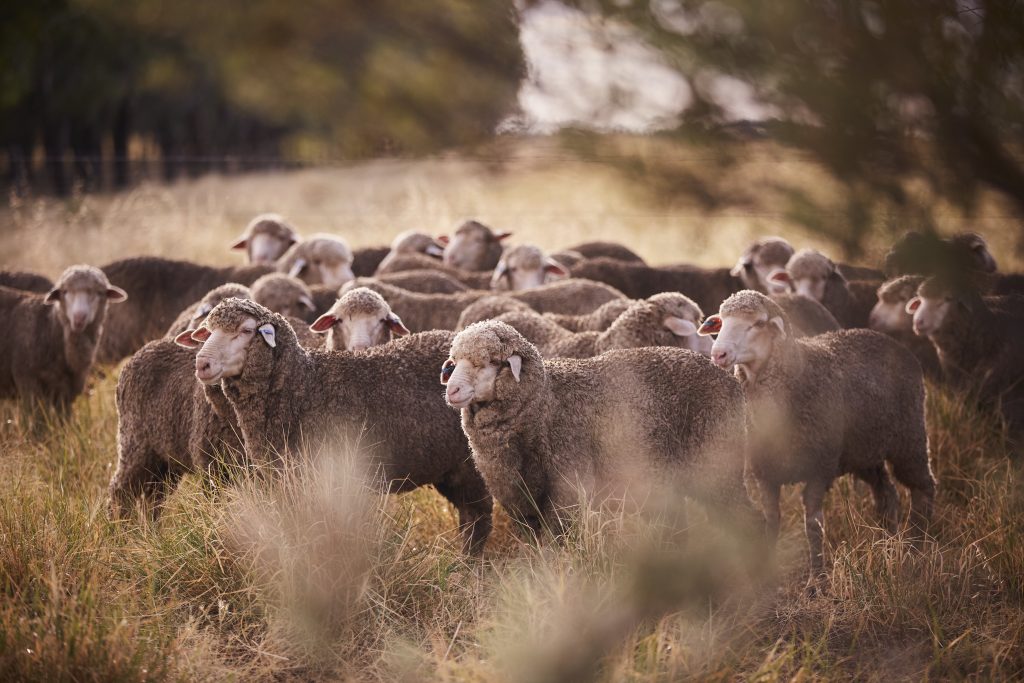

Woolmark has unveiled its ambitious Woolmark+ programme aimed at enhancing sustainability within the wool industry. With a strategic focus on ecological improvement and supply chain welfare, this initiative highlights 13 science-based projects.
Among these, several have begun, like the recycled content specification launched in July. Additional projects, aimed at productivity, emission reduction, and regeneration, are set to follow.
Woolmark, a pioneer in the wool industry, has introduced Woolmark+, a comprehensive initiative striving for sustainable growth. By specifically targeting key environmental and supply chain issues, the programme seeks to unite diverse stakeholders, including woolgrowers, brands, and supply chain partners. It aspires to foster collaboration for a more sustainable tomorrow, addressing both immediate and long-term industry challenges.
One notable project under Woolmark+ is the implementation of an insetting scheme. Insetting, as defined by the World Economic Forum, involves nature-based solutions like reforestation and regenerative agriculture, directly engaging with woolgrowers to reduce emissions.
This approach contrasts with traditional carbon offsetting, which relies on purchasing carbon credits. By focusing on insetting, Woolmark aims to directly impact the wool industry’s carbon footprint, thereby contributing to global emissions targets.
Woolmark+ sets ambitious goals beyond mere carbon neutrality, targeting broader ecological benefits.
A key concept is ‘nature positive’, which focuses on halting and reversing nature loss by 2030. This approach ensures biodiversity recovery and livelihood enhancement.
In practice, this means wool industry practices that promote ecological health and community welfare, setting new benchmarks for sustainability.
Australian woolgrowers manage over 65 million hectares of land, positioning them as pivotal players in the transition to more sustainable practices.
Despite challenges, including criticism over mulesing, these growers are crucial in supporting biodiversity and reducing emissions. Woolmark+ encourages innovation and improved animal welfare standards.
Dedicated projects support this transition, prioritising research and education to enhance best practices in animal husbandry and ecological stewardship.
The wool industry is at a critical juncture where integrating sustainability can redefine its global impact.
Programmes like Woolmark+ highlight the necessity for ethical practices and transparent supply chains, ensuring long-term viability and consumer trust.
Woolmark’s initiatives reflect a commitment to reshaping industry norms, encouraging responsible business operations that align with environmental priorities.
The initiatives within Woolmark+ aim to create a resilient and future-ready wool industry.
By promoting sustainable practices, Woolmark+ not only addresses environmental issues but also sets a precedent for other sectors.
The roadmap provided by Woolmark+ positions the industry as a leader in sustainability, inspiring broader transformative actions across different areas.
The Woolmark+ programme is a landmark initiative demonstrating leadership in sustainable practices within the wool industry. With its comprehensive approach and strategic investments, it promises substantial progress towards ecological and supply chain improvements. The focus on insetting, supported by global financial commitments, marks a significant shift towards more responsible and effective industry practices.

