
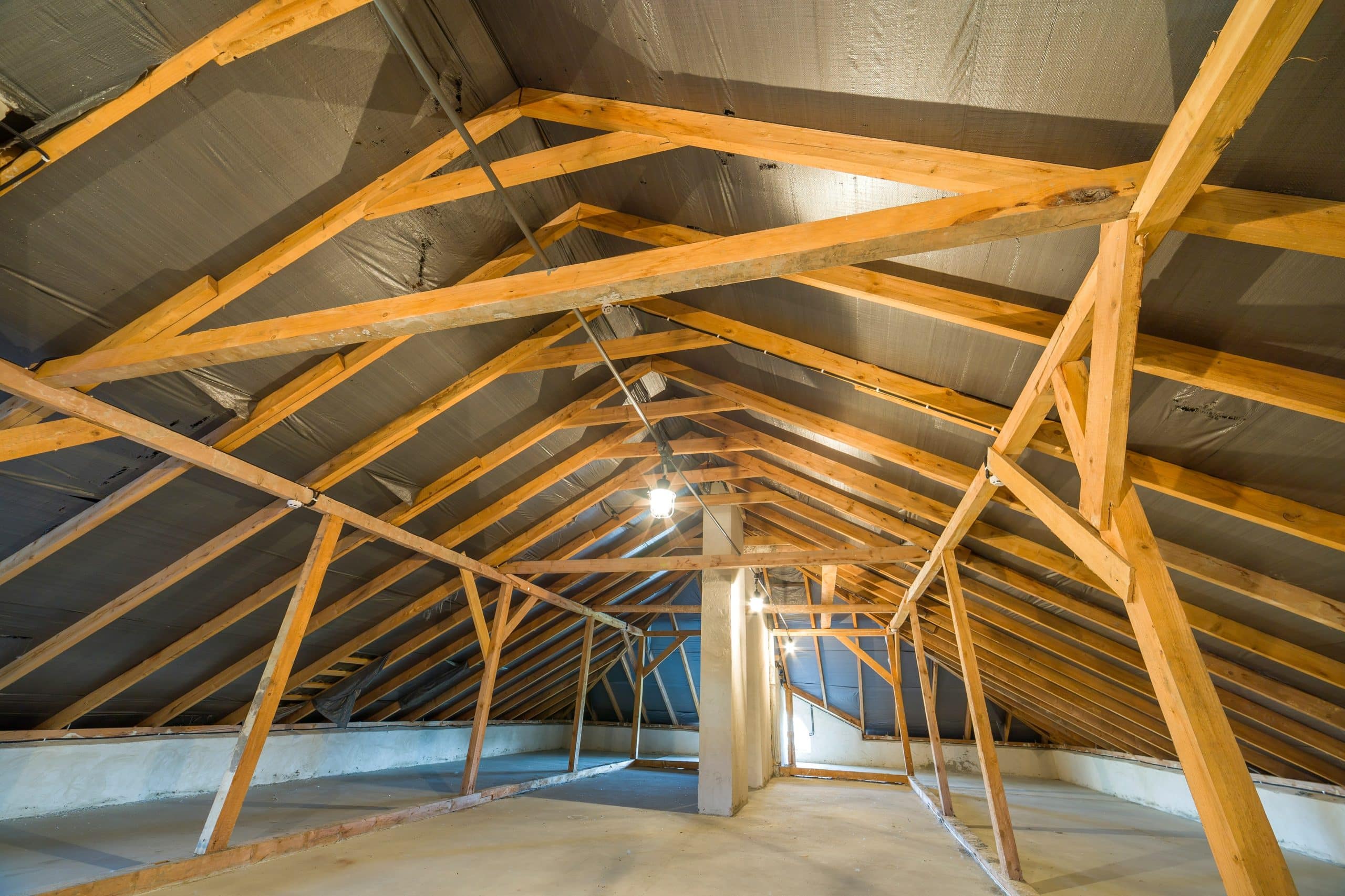

As UK house prices remain high and moving costs continue to rise, more homeowners are choosing to invest in their existing property rather than relocate. One of the most popular ways to add both space and value is through a loft conversion.
However, one of the biggest questions homeowners have before starting is simple: how much does it actually cost?
In 2026, loft conversion costs can vary significantly depending on the type of project, the size of the property, and the level of finish. Understanding these variables is key to making an informed financial decision.
The Average Cost of a Loft Conversion
Loft conversions in the UK typically range from around £30,000 at the lower end to £90,000 or more for larger, more complex projects.
This wide range reflects the different types of conversions available, as well as variations in property structure and location.
Basic roof light conversions, which involve minimal structural changes, tend to be the most affordable. At the other end of the scale, full dormer or mansard conversions require more extensive work and therefore come with higher costs.
For most homeowners, the final figure sits somewhere in the middle, depending on the level of customisation and the intended use of the space.
What Drives the Cost?
Several key factors influence how much a loft conversion will cost.
Type of Conversion
The type of loft conversion you choose has the biggest impact on price. Simpler designs that work within the existing roof structure are generally more affordable, while more complex builds that alter the shape of the roof increase both labour and material costs.
Size and Layout
Larger lofts naturally require more materials and labour, increasing the overall cost. The layout also plays a role, particularly if additional features such as en-suite bathrooms or bespoke storage are included.
Structural Work
Some properties require structural reinforcements to support the new space. This can include strengthening the floor, altering the roof, or installing steel beams, all of which add to the cost.
Finishes and Fixtures
The level of finish you choose can also affect the budget. High-end materials, custom joinery, and premium fixtures will increase the overall price, while simpler finishes can help keep costs under control.
Why Costs Have Increased
Like many areas of construction, loft conversion costs have risen in recent years.
Material prices have increased, labour costs have followed suit, and demand for skilled trades remains high. In addition, more homeowners are opting for higher-spec finishes, which can push budgets further.
While this may make projects seem more expensive upfront, it is important to consider the long-term value.
Is It Worth the Investment?
For many homeowners, a loft conversion is not just about creating more space — it is also a financial decision.
Adding an extra bedroom or functional living area can significantly increase the value of a property. In some cases, the uplift in value can exceed the cost of the conversion itself, particularly in areas with high property demand.
Compared to moving house, which involves stamp duty, legal fees, and other costs, a loft conversion can often be a more cost-effective way to gain additional space.
This is why many homeowners are choosing to improve rather than relocate.
Getting a More Accurate Estimate
While general cost ranges are useful, every property is different.
Factors such as roof structure, access, and design preferences all influence the final price. This makes it difficult to rely on averages alone when planning a project.
For homeowners who want a clearer idea of what their specific project might cost, using a loft conversion cost calculator can provide a more tailored estimate based on individual requirements.
This helps bridge the gap between rough estimates and real-world pricing.
Budgeting for the Full Project
When planning a loft conversion, it is important to think beyond just the build cost.
Additional expenses such as design fees, planning permissions (if required), and finishing touches should all be factored into the overall budget. Allowing for a contingency can also help cover any unexpected costs that arise during construction.
Taking a realistic approach to budgeting ensures that the project runs smoothly and avoids financial surprises.
Long-Term Value and Practical Benefits
Beyond the financial return, loft conversions offer practical benefits that improve day-to-day living.
They can create additional bedrooms, home offices, or flexible living spaces without reducing garden space. This is particularly valuable in urban areas where outdoor space is limited.
For growing families or those working from home, the added functionality can be just as important as the financial return.
Final Thoughts
In 2026, loft conversions remain one of the most effective ways to add space and value to a property.
While costs can vary widely depending on the project, understanding the key factors involved helps homeowners plan more effectively and make informed decisions.
For those looking to maximise their existing space without the cost and disruption of moving, a loft conversion continues to be a practical and financially sound investment.

