
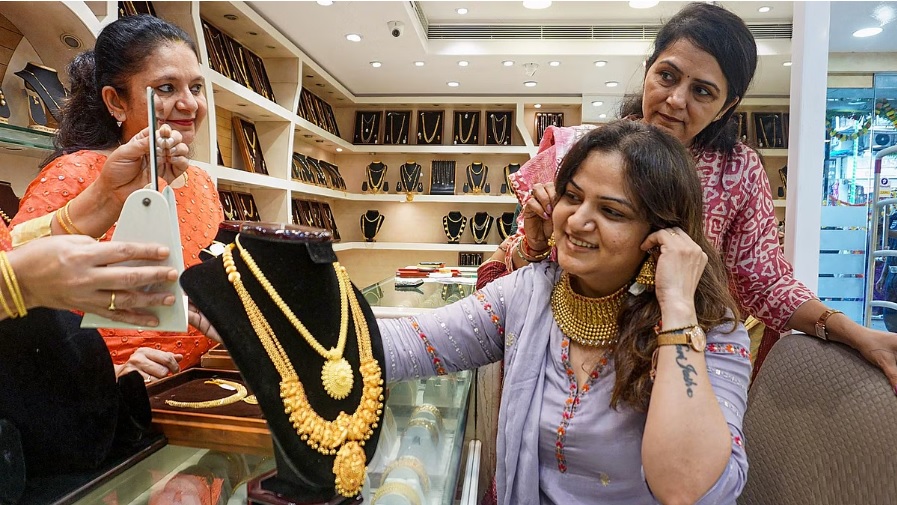

India, a nation where weddings are celebrated with grandeur, is poised to see a massive surge in gold demand this November and December. This period will witness around 3.5 million weddings, each an occasion demanding significant gold purchases.
As these nuptial celebrations approach, the gold market is expected to respond with noticeable price increases. The demand for gold adornments will particularly contribute to this trend, impacting both domestic and international markets, and potentially driving prices to new heights.
Massive Wedding Season Fueling Gold Demand
In India, weddings are incomplete without gold, a symbol of wealth and prosperity. The cultural significance of gold in matrimonial ceremonies translates into substantial market demands, particularly during the peak wedding season. This year, with 3.5 million weddings scheduled from November to December, the gold market in India is expected to experience a remarkable boom.
Such hefty demand inevitably raises gold prices. As families prepare, the rush to buy jewellery, including chains, earrings, and bracelets, is set to heighten. This shopping frenzy is anticipated to play a critical role in pushing prices upwards, revealing the intrinsic link between gold and cultural festivities.
Investment Banks’ Bullish Predictions
Retail investors, institutional funds, and central banks in emerging economies are closely monitoring this trend. Since 2022, gold has surged nearly 28%, becoming one of the best-performing assets in the commodity markets. This trend is expected to gain further momentum.
Clearly, the intersection of cultural practices and economic opportunity creates a favourable environment for gold investments. As the season unfolds, investors are keenly observing these dynamics.
Economic Impact of Wedding-Driven Gold Purchases in India
The economic implications of this gold rush are extensive. According to the Confederation of All India Traders (CAIT), the wedding season could see an expenditure of $66.4 billion, with gold purchases forming a significant portion.
The benefits of this expenditure extend to various sectors such as retail, hospitality, jewellery, and automobiles. These industries witness booms as a result of increased consumer spending driven by weddings.
Economic stability, low inflation rates, and supportive government policies further enhance the purchasing power of families during weddings. The evolving consumer preferences towards gold as both an investment and a cultural staple play a crucial role.
Gold’s Cultural and Economic Significance
In Indian culture, gold is not merely a decoration but also a financial security. Its importance is magnified during weddings, which are pivotal social events. Families often invest significant amounts in gold as part of traditional customs.
These investments are seen as perpetually valuable, ensuring both economic and cultural continuity. With the wedding season in full swing, gold’s role as a stabilising asset is reinforced, promoting confidence in its long-term value.
Moreover, the tradition of gifting gold at weddings further cements its importance, creating a cycle of demand and cultural affirmation. It represents both love and financial prudence.
Retail Investors and Institutional Funds
Retail investors and institutional funds see gold as a safe haven amidst global economic uncertainties. The wedding season provides a unique opportunity to capitalise on this stable commodity.
Central banks in emerging economies have also increased their gold reserves, responding to both global trends and domestic demands. This move underlines a strategic alignment with the cultural preferences observed during wedding seasons.
The synergy between these financial actions and cultural customs showcases a complex economic landscape, where tradition and market strategies entwine.
Anticipated Gold Price Fluctuations
With 3.5 million weddings on the horizon, fluctuations in gold prices are highly anticipated. The interplay between high demand and limited supply can cause price surges or corrections.
Analysts suggest monitoring market conditions closely as the season progresses. Gold’s long-standing relationship with cultural practices makes it a unique asset whose price movements offer insights into broader economic trends.
Conclusion
As November and December approach, the intersection of culture, tradition, and economics will be closely watched in India. The anticipated demand for gold due to weddings not only underscores its cultural importance but also its economic impact.
Investors and market watchers can expect dynamic price movements, signifying gold’s enduring allure and its pivotal role in India’s cultural and economic narrative.
The upcoming wedding season in India highlights a significant relationship between cultural practices and economic trends. With gold at its heart, this phenomenon underlines both an opportunity and a tradition that profoundly affects markets.
As the season progresses, the global economic community will be attentive to the shifts in gold prices, recognising the deep-seated cultural significance and the substantial economic ramifications involved.

