
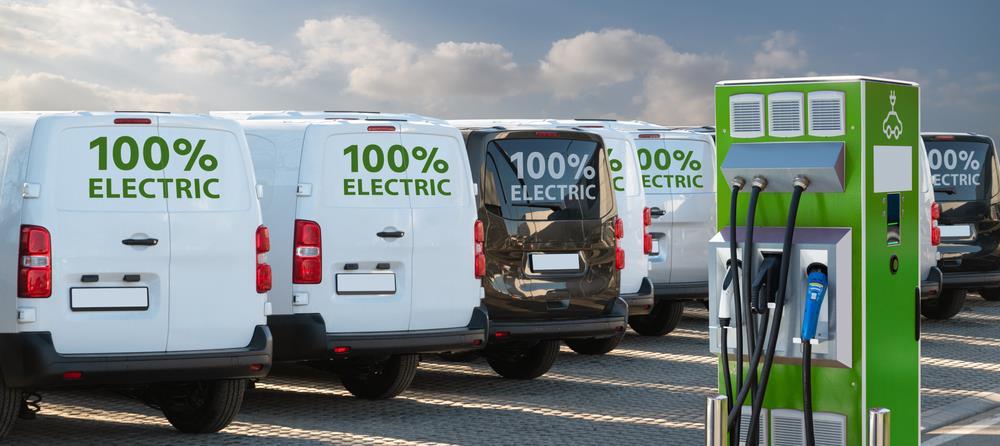

An industry-wide requirement for electric van quotas is causing operational issues for fleet operators, as reported by the Association of Fleet Professionals (AFP).
- The government’s zero emission vehicle mandate requires 10% of 2024 van sales to be electric, increasing to 70% by 2030 and 100% by 2035.
- Fleet operators face dilemmas as manufacturers enforce electric van purchase requirements despite operational unsuitability.
- AFP’s Paul Hollick highlights the inadequacy of current electric van capabilities and infrastructure to meet diverse fleet needs.
- A call for enhanced charging infrastructure and improved electric van capabilities is underscored by declining electric van registrations.
The government has set in motion a zero emission vehicle (ZEV) mandate, obligating van manufacturers to ensure that a significant portion of their sales are electric. In 2024, this necessity begins at 10% and escalates to a full 100% by 2035. However, the practicality of this transition is being questioned by industry professionals. The Association of Fleet Professionals (AFP) has indicated that these legislative targets are proving challenging for fleet operators who are currently unprepared or unable to accommodate electric models within their operations.
Paul Hollick, the Chair of the AFP, has voiced concerns over the growing practice among van manufacturers to mandate the inclusion of electric vehicles in fleet orders. He states, ‘It’s becoming a widespread practice that when a fleet wants to order a quantity of vans, manufacturers are asserting that a percentage is electric – often 10% to reflect the 2024 ZEV mandate.’ Despite these regulatory stipulations, many fleets find themselves devoid of operational profiles that render the integration of electric vans feasible, primarily due to existing payload and range limitations, coupled with the lack of suitable charging infrastructure.
The dilemma posed to fleet operators is stark. Options include sourcing alternative manufacturers that do not impose electric quotas, extending the operational life of existing fleet vehicles, or purchasing electric vans only to find them impractical for use. Such measures, however, come with their own sets of challenges. Changing van suppliers is seldom straightforward; it necessitates a comprehensive reevaluation of the fleet’s operational logistics, including the adaptation of existing fittings and systems. Continuing with older fleet units can lead to reliability issues, exacerbate risk management concerns, and invoke negative environmental impacts.
The notion of acquiring elecrtics vans and leaving them largely unused is financially unsustainable. Hollick asserts, ‘Buying expensive assets like electric vans and not really using them in operational roles where solutions are needed is just not viable.’ The AFP acknowledges the pressures faced by manufacturers due to the government’s legislative framework but underscores the point that electric vans, in their current evolution, do not align with the operational needs of all fleets. Hollick further states, ‘There are fleets for which electric vans don’t just mean acceptable compromises but effectively won’t work.’
The scarcity in infrastructure and the technological limitations of electric vans are reflected in recent sales data. The Society of Motor Manufacturers and Traders (SMMT) reported a decline in battery electric van registrations, attributing this to the mounting challenges associated with meeting ambitious ZEV targets. They have urged the government to expedite the creation of public charging infrastructure and develop a comprehensive national delivery plan tailored to accommodate the specific requirements of larger vans.
The complexities arising from mandated electric van quotas highlight the urgent need for infrastructure advancements and technology improvements to support the transition.

