

The recent Vaculug Sustainability Forum at the British Motor Museum brought together industry leaders to discuss decarbonisation.
- Vaculug aims for carbon neutrality by 2030, contributing significantly to CO2 reduction through tyre retreading initiatives.
- Hankook commits to a 46% carbon reduction by 2030 and develops tyres for electric buses, enhancing sustainability.
- Dennis Evans offers a critical view on the future of electric trucks, citing significant challenges ahead.
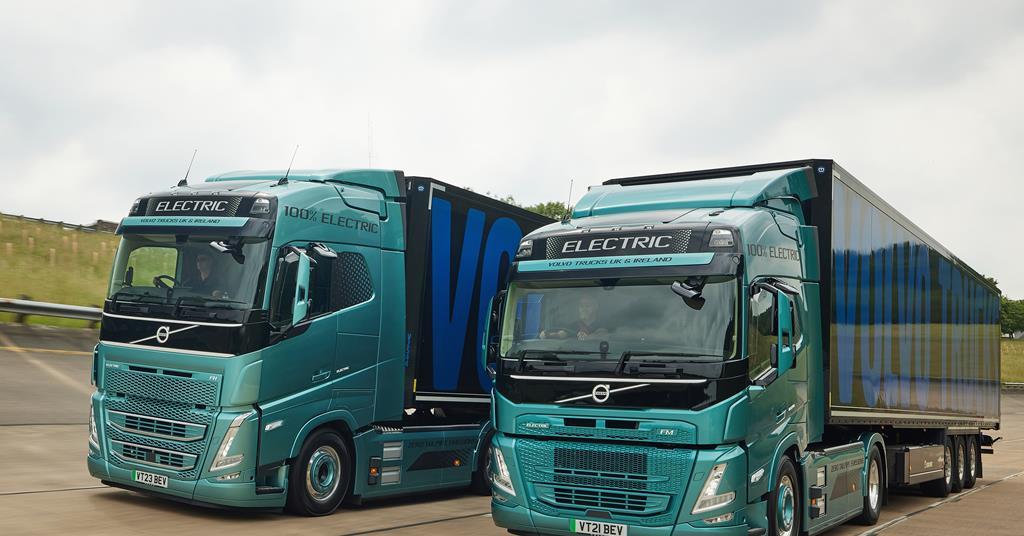
- Volvo Trucks highlights regulatory impacts and innovations in truck decarbonisation efforts.
The Vaculug Sustainability Forum, convened at the British Motor Museum, gathered operators, suppliers, and experts to deliberate the UK’s progress towards net zero emissions. Vaculug’s efforts were highlighted with their commitment to achieving carbon neutrality by 2030. Their initiatives, such as supplying 105,000 retreaded tyres which prevented over 7 million tonnes of CO2 emissions, showcase a substantial impact on environmental goals. Their collaboration with Murfitts Industries ensures all truck tyres are repurposed, thus avoiding 5,200 tonnes of waste being dumped in landfills.
Hankook’s ambition to slash carbon emissions by 46% by 2030 was underscored by their development of tyres tailored for electric buses, which now surpass diesel in European sales. These tyres are designed to offer lower rolling resistance and enhanced tread life, meeting the contemporary demands of sustainable transport. Paul Emery from Hankook underscored the ongoing commitment to substitute standard rubber with sustainable materials like natural oils and traceable rubber.
Dennis Evans, co-author of a book on zero emissions, cast a spotlight on the difficulties facing electric trucks. He stressed the need for a radical societal transformation to meet net zero goals, a proposition he deemed daunting. Evans critiqued the ongoing reliance on internal combustion engines due to unresolved cost issues and cited the dominance of Asian manufacturers in battery technology as a barrier to rapid progress in Europe. He warned that real advances in electric vehicle markets might be hindered until after 2030.
Volvo’s John Comer elaborated on the implications of the EU’s Vecto regulations. The framework demands significant reductions in theoretical CO2 emissions from trucks, with targets escalating to a 90% reduction by 2040. He described how energy efficient tyres with high rolling resistance ratings can boost compliance with Vecto targets and improve operational efficiency. The intricate balance between rolling resistance and mileage remains a critical consideration for operators adapting to these regulations.
The forum highlighted that while strides are being made towards sustainable transport solutions, significant challenges and opportunities remain.

