
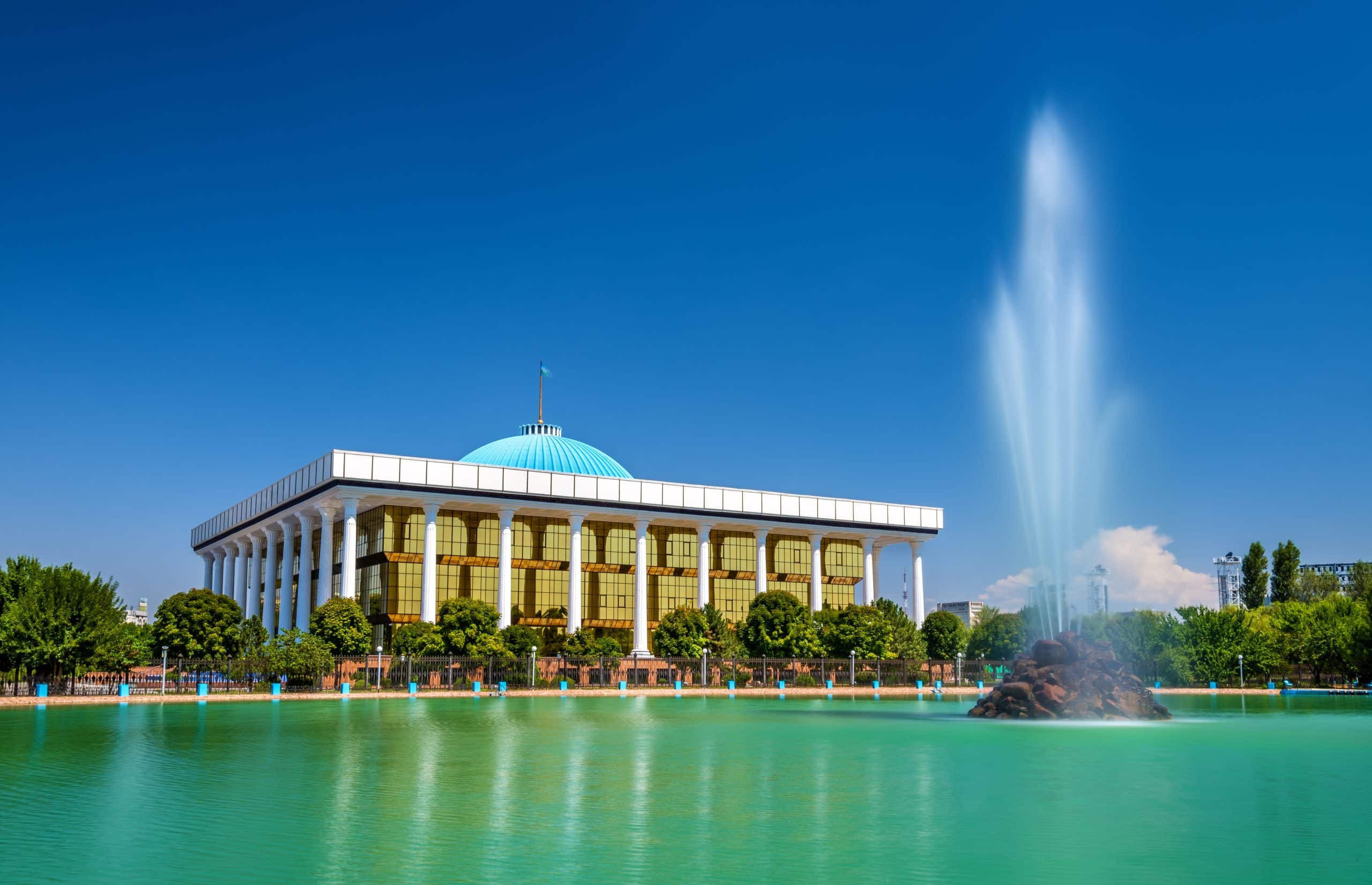

Uzbekistan’s October 29 legislative elections marked a decisive win for the Liberal Democratic Party of Uzbekistan (UzLiDeP), which emerged with a robust majority in the Legislative Chamber, securing 64 of the 150 available seats. With a voter turnout exceeding 75%, this election reaffirmed strong public engagement and broad support for President Shavkat Mirziyoyev’s reform-driven agenda. As Uzbekistan continues to modernize, the election results bolster Mirziyoyev’s mandate to pursue economic liberalization and develop Uzbekistan’s position as a hub for regional trade.
The election highlights a legislative mandate focused on strengthening the economic reforms that have been central to Mirziyoyev’s administration since he assumed office in 2016. Key to his strategy is enhancing the country’s appeal for foreign investors, diversifying trade partnerships, and steering Uzbekistan toward a market-oriented economy. With a strengthened majority, UzLiDeP can now move forward with policies aimed at privatizing state assets, promoting entrepreneurship, and creating a regulatory environment that aligns with international standards.
A Platform Focused on Economic Modernization
UzLiDeP’s campaign centered on further liberalizing Uzbekistan’s economy, drawing attention to its recent successes in attracting foreign investment and promoting economic diversification. Mirziyoyev’s administration has implemented policies designed to foster a business-friendly environment, reduce bureaucratic hurdles, and encourage private sector growth. Under his leadership, Uzbekistan has opened up previously restricted sectors, including banking, telecommunications, and energy, to foreign investment, positioning the country as a competitive player in Central Asia.
As Uzbekistan aims for WTO membership, UzLiDeP’s strengthened position in the Legislative Chamber will facilitate the legislative changes needed to align with international trade standards. The government’s commitment to these reforms is evident in initiatives designed to increase transparency, streamline business regulations, and strengthen the rule of law. With WTO membership, Uzbekistan hopes to access broader trade markets, attract foreign businesses, and reduce its historical reliance on sectors like agriculture and raw materials.
Party Platforms Reflecting Public Priorities
Alongside UzLiDeP, four other parties succeeded in securing parliamentary seats, each representing a different slice of public opinion while aligning with the government’s overall economic goals. The National Revival Party (Milliy Tiklanish), with 29 seats, has emphasized national identity, cultural preservation, and the importance of maintaining Uzbekistan’s traditional values amidst rapid modernization. This platform appeals to citizens interested in economic growth but mindful of cultural heritage and values.
The People’s Democratic Party (PDP), which secured 20 seats, focuses on social welfare and advocates for poverty reduction, healthcare access, and education reforms. Its platform resonates with constituents who support economic liberalization but also prioritize social equity, particularly in rural areas where state support remains vital. PDP’s commitment to inclusive policies and social programs positions it as a voice for vulnerable populations affected by economic transitions.
The Social Democratic Party (Adolat), which won 21 seats, has long advocated for justice, labor rights, and anti-corruption initiatives. With a focus on judicial independence and transparency, Adolat seeks to enhance public trust in governance by strengthening institutions. This agenda appeals to voters who see the economic reform process as an opportunity to also improve transparency and fairness within public administration.
Environmental sustainability has gained traction as a public priority, especially among urban voters and younger generations, leading the Ecological Party to secure 16 seats. The party’s platform promotes sustainable development policies, including waste management, water conservation, and climate resilience, in line with Uzbekistan’s broader vision for long-term, sustainable growth. These environmental issues have become increasingly relevant as the country addresses climate impacts on agriculture and resource management.
Positive Reception and High Public Engagement
Uzbekistan’s election saw strong public participation, reflecting widespread support for the reform agenda being advanced by Mirziyoyev and his administration. The 75% turnout suggests that voters see the current direction as a positive step toward an economically resilient and modern Uzbekistan. Citizens across the country have expressed optimism about the government’s focus on regulatory improvement, foreign investment, and economic diversification, hoping these changes will drive job creation and improve living standards.
International observers, including representatives from the OSCE and the European Parliament, praised the electoral process for its organization, digital advancements, and transparent vote-counting measures. Over 1,000 international observers were present, a reflection of the international community’s growing interest in Uzbekistan’s role as an emerging economic power in Central Asia. Many observers remarked on the government’s commitment to process transparency, a factor that enhances investor confidence as Uzbekistan moves towards more open markets.
While much of the country’s economic focus has centered on urban development and investment-friendly policies, there are expectations that the new parliament will address socio-economic concerns in rural areas as well. Citizens in these regions have voiced hopes for programs that will support agricultural development, enhance rural infrastructure, and protect jobs amid privatization efforts. UzLiDeP’s expanded influence is seen as an opportunity to deliver on these commitments and promote balanced growth across the nation.
Future Steps in Uzbekistan’s Economic Transition
Uzbekistan’s legislative elections reinforce President Mirziyoyev’s mandate to continue with an ambitious reform agenda that prioritizes economic liberalization and market-friendly policies. The Liberal Democratic Party’s majority will support initiatives that move the country closer to WTO membership, attract foreign investment, and build Uzbekistan’s reputation as a reliable trade partner in Central Asia. With a focus on regulatory clarity and reducing state dominance in key industries, these efforts are intended to boost economic resilience and sustainable growth.
Analysts note that the continued focus on economic development, combined with attention to social welfare, reflects an evolving political strategy that balances market-driven growth with national priorities. The current administration is expected to leverage its legislative majority to introduce policies that encourage entrepreneurship, support technological advancements, and address issues like climate adaptation, making Uzbekistan an increasingly attractive destination for global investors.
The election outcome also positions Uzbekistan as a model of economic reform within Central Asia, with neighboring countries observing its progress as they seek to diversify their own economies. With greater legislative backing, the government now has the mandate to address key areas, from infrastructure development to environmental protection, aligning with both public and international expectations.
Uzbekistan’s October elections underscore a turning point in its journey towards economic transformation. The robust turnout and strengthened parliamentary support suggest a public ready for change, eager to participate in a vision that promises modernization, regional influence, and sustained economic growth. As the new parliament convenes, there is anticipation that the coming legislative period will be instrumental in solidifying Uzbekistan’s place in the global economy and setting a model for economic reform and growth.

