
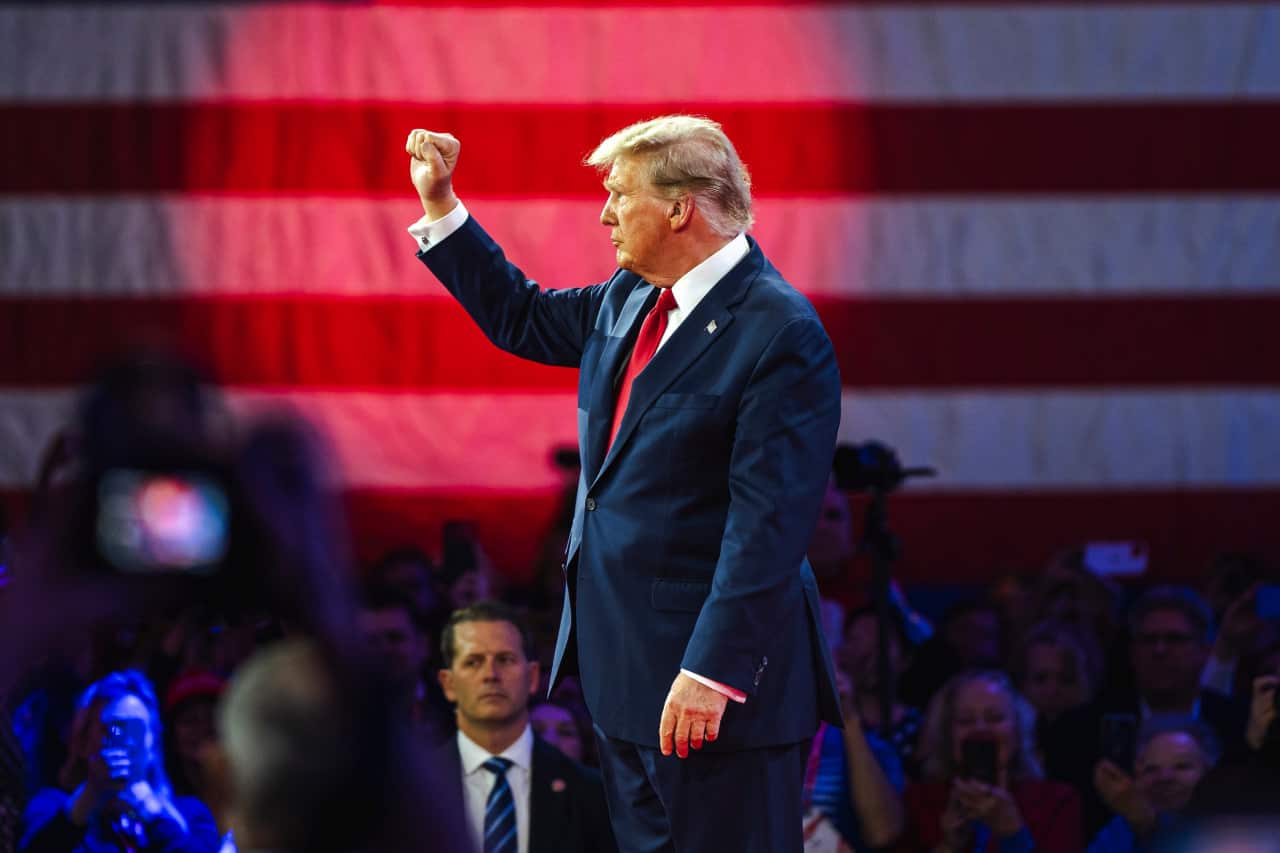

Donald Trump, in his renewed bid for the presidency, promises decisive action on the US economy. With a clear focus on tax reforms, budget strategies, and border security, he pledges significant changes within his first 100 days. These proposed policies are designed to stimulate growth and enhance national security.
As the electoral race heats up, Trump’s economic promises are at the forefront of his campaign. His vision includes tax cuts aimed at boosting disposable income and strategic budget use to further Republican aims. Trump’s administration sees these actions as vital to addressing both domestic and international challenges. Their success will hinge on political maneuvering and public support.
Budget Reconciliation: A Strategic Move
Donald Trump plans to utilise budget reconciliation as a strategic tool to advance his legislative agenda effectively. This process allows the administration to bypass potential hindrances from Democratic filibusters in the Senate. The method, while technical, is seen as crucial for implementing significant policy shifts swiftly. For months, preparations have been ongoing behind the scenes, as a Senate GOP aide revealed, to ensure readiness for this procedural manoeuvre.
Engaging in budget reconciliation provides Trump the leverage to facilitate major fiscal policies. These include revitalising spending priorities without the usual hurdles in legislative proceedings. It’s a calculated strategy aimed at reforming economic policies to reflect Republican tenets. The intricacies involved in this process necessitate expert navigation, highlighting its importance in the administrative agenda.
The groundwork laid for budget reconciliation will likely serve as a model for future initiatives. By setting this in motion early, Trump aims to solidify his economic goals, firmly steering them through the Senate. It’s a testament to the administration’s commitment to fulfilling campaign promises efficiently.
Proposed Tax Cuts for Economic Growth
Tax policy remains a cornerstone of Trump’s economic strategy. The promise of extended tax cuts aims to stimulate economic growth by increasing disposable income for everyday Americans. These proposed cuts are not just focused on businesses but extend to senior citizens and blue-collar workers, targeting a broader demographic to garner widespread support.
Implementing these tax cuts is pivotal to alleviating economic burdens. By reducing taxes for seniors, Trump hopes to appeal to this significant voter base, ensuring their financial security. His approach suggests a concerted effort to balance economic prosperity with fiscal responsibility, a dual aim that resonates especially with middle-class families.
Securing New Funding for Border Security
Border security has always been a key aspect of Trump’s political platform. In his latest campaign, securing new funding for border initiatives stands as a priority. This measure is not only about enhancing physical barriers but also involves sophisticated surveillance technologies. The aim is to modernise border control to prevent illegal immigration effectively.
Trump’s focus on border security reflects his broader vision for national safety. By prioritising this, his administration seeks to address long-standing concerns about immigration and border control. This approach integrates technology with traditional security measures, illustrating a blend of innovation and practicality to safeguard national interests.
These measures for border security represent a continuation and expansion of previous policies. The goal remains to reinforce the nation’s perimeter while adapting to new challenges. Through these initiatives, Trump underscores his commitment to maintaining robust national security standards.
The planned investment in border security demonstrates a proactive stance in fortifying the country’s defences. This policy underlines the administration’s focus on safeguarding citizens while managing immigration flows effectively. Trump’s proposals signify a blend of vigilance and adaptability, crucial in today’s ever-evolving security landscape.
Legislative Challenges and Bipartisanship
Navigating the legislative complexities in Washington requires adept political manoeuvring. Trump’s administration will face significant challenges in securing bipartisan support for these initiatives. The road ahead is fraught with negotiations, requiring a delicate balance to achieve legislative success.
Engaging both parties in constructive dialogue is essential for passing key policies. The administration’s strategy involves leveraging political capital to build coalitions. By fostering alliances, Trump aims to push his economic and security agenda through Congress with minimal resistance. This approach highlights the necessity of political acumen in effective governance.
The dynamics of bipartisan discussions often influence legislative outcomes significantly. Trump’s ability to negotiate across the aisle will be tested as he seeks to implement his proposed policies. This means working within the constraints of a politically divided government to achieve his objectives.
The Impact of Policy Implementation on the Economy
Implementing these key policies is expected to have a profound impact on the US economy. The combination of tax cuts, budget management, and enhanced security funding aims to bolster economic resilience. Trump’s strategy seeks to stimulate economic activity and ensure sustainable growth.
By prioritising economic revitalisation, these policies aim to create a more robust financial environment. The administration’s focus on key economic indicators is crucial for maintaining investor confidence and public trust. These measures indicate a forward-thinking approach to economic stewardship.
Addressing economic health remains a primary goal, with these policies expected to generate noticeable effects. The anticipated economic boost aligns with the administration’s commitment to enhancing the nation’s fiscal outlook. Such initiatives are strategically designed to foster an era of renewed prosperity.
Public Opinion and Electoral Implications
Public perception of these policies will play a critical role in their success. Trump’s administration understands the importance of garnering public support to drive policy effectiveness. They plan to engage with communities to communicate the benefits of proposed initiatives clearly.
The electoral implications of policy acceptance cannot be overstated. Trump’s strategic focus on tax cuts and security funding is aimed at solidifying support among key voter demographics. Winning public approval is integral to ensuring electoral success and maintaining political momentum.
Engaging with the public through transparent communication is essential in building trust. The administration strives to present a clear narrative that emphasises the positive outcomes of their policies.
International Ramifications of Economic Strategies
Trump’s economic strategies extend beyond domestic borders, impacting international relations. His administration seeks to position the US as a resilient economic leader. The policies proposed could influence global economic dynamics significantly, affecting trade relationships.
Fostering international collaboration is pivotal in reinforcing the US’s economic standing. Trump’s policies aim to strengthen alliances with trade partners while ensuring competitive domestic growth. This approach reflects a balance of global engagement and national interests.
Establishing strong economic ties with international markets is vital for sustaining growth. The administration’s proactive measures underline a commitment to maintaining the US’s leadership position globally.
Historical Context of Trump’s Policies
Trump’s policies are rooted in a legacy of economic reform and national security enhancement. Drawing from past administrations, these initiatives seek to build upon previous successes while addressing contemporary challenges. The historical context of these policies provides insights into their anticipated impact.
Understanding the evolution of Trump’s policy framework is crucial for assessing current strategies. The administration relies on historical precedents to guide decision-making processes, ensuring informed approaches to governance.
The continuity of Trump’s policies reflects an adherence to familiar principles, while introducing innovative measures to address new realities. This historical perspective provides a comprehensive understanding of the administration’s goals.
Conclusion: A New Chapter for the US Economy
As Trump sets his sights on revitalising the US economy, his proposed policies mark the beginning of a transformative era. The focus on tax reforms, budget utilisation, and enhanced border security outlines a clear path for the future. With preparations underway, the administration is poised to implement these strategies effectively, marking a decisive moment in American economic policy.
The successful implementation of these initiatives will determine the trajectory of Trump’s presidency and its impact on the nation. His administration’s ability to navigate political challenges and secure bipartisan support will be crucial. This new chapter for the US economy relies on well-coordinated efforts to ensure lasting prosperity.
Trump’s outlined policies mark a potential turning point for the US economy. His approach combines bold fiscal measures with stringent security enhancements. If executed, these strategies could reshape economic governance, enhancing America’s stature on the global stage.

