
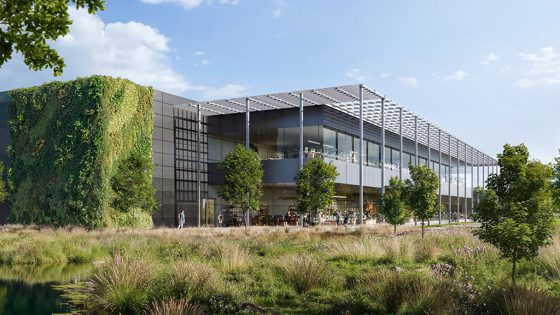

A transformative project for a £3.75bn data centre in Hertfordshire has been proposed, with a new ‘critical national infrastructure’ designation enhancing its significance.
- The proposed data centre spans 180,000 square meters and is strategically located adjacent to the A1 and M25 motorways, promising extensive economic benefits.
- This initiative positions data centres alongside energy and defence sectors, recognising their vital role in national security and economy.
- Scheduled to become operational by 2029, the centre is expected to generate substantial employment and training opportunities.
- With its state-of-the-art green infrastructure, the project is set to lead Europe in high-tech, sustainable development.
The announcement of a massive £3.75bn data centre in Hertfordshire marks a pivotal moment for the IT sector, as plans detail a 180,000-square-metre facility to be classified as ‘critical national infrastructure’. Such a classification elevates data centres to the same importance as energy and defence sectors, highlighting their essential role in safeguarding sensitive data and supporting national security.
Located on an 85-acre site near the A1 and M25, the development underscores its economic significance by committing to generate £1.1bn annually into the UK’s GDP. The developer, DC01UK, has submitted plans to Hertsmere Borough Council, aiming not only to boost local employment but also to create a ripple effect of 13,700 job opportunities across various sectors nationwide.
The project’s timeline anticipates its operational commencement in 2029, with an immediate provocation of 500 construction jobs and a minimum of 200 permanent positions upon completion. Beyond direct employment, the development includes plans for a Technology and Innovation Hub, fostering apprenticeships and intensive training opportunities aimed at cultivating a skilled workforce.
A cornerstone of this initiative is its commitment to sustainability. Incorporating low-carbon building practices and on-site renewable power generation, the centre aims to exceed current industry environmental standards. This further establishes Hertfordshire as a leader in the push for technological advancement balanced with ecological responsibility.
The government’s recognition of data centres as critical national infrastructure, now one of 14 such sectors, ensures priority access to security measures and expert monitoring. This status is vital as data centres continue to burgeon, driven by increasing demands from sectors like artificial intelligence.
The Labour government’s focus on data centres is evident following rhetorical endorsements from key political figures. By classifying data centres as critical, there is a clear indication of the government’s strategic direction towards enhancing economic resilience and technological infrastructure across the UK.
The £3.75bn data centre project not only affirms Hertfordshire’s place in Europe’s tech landscape but also underscores the importance of sustainable infrastructure development.

