
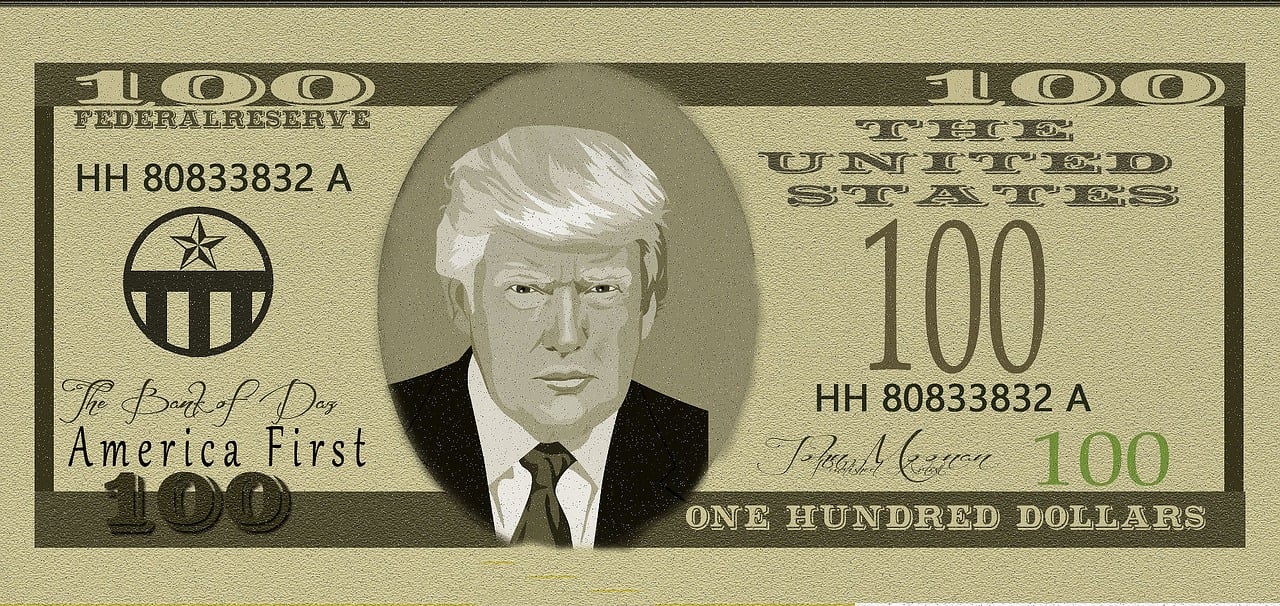

The US dollar’s trajectory is a focal point in global markets, capturing attention with Trump’s bold strategies.
Candidates in the US elections are influencing economic landscapes, with Trump’s tariff plan aiming to sustain USD dominance.
Trump’s Bold Currency Strategy
Donald Trump is reshaping the currency landscape with his aggressive proposals. His initiative to impose a 100% tariff on countries steering away from the US dollar is an audacious move aimed at reinforcing the currency’s global dominance. The greenback, consequently, is witnessing a resurgence. Political analysts suggest that these policies are designed not only to curb de-dollarization but also to revitalise the national economy by encouraging a return to dollar-based transactions.
The looming US elections have added a layer of complexity to the economic scenario. Speculators are increasingly betting on the positive impact of Trump’s potential return to power on the dollar. The dollar, which had been sluggish following the Federal Reserve’s rate cuts, is now on an upward trajectory. Trump’s statements have invigorated market sentiments, with the dollar index reflecting this newfound optimism.
Observers note that Trump’s stance has the potential to disrupt global trade dynamics. With alliances like BRICS pushing for alternative currencies, his tariff plan emerges as a counterbalance to preserve the dollar’s status. Trump’s policies are seen as a direct response to these emerging financial trends and may set the stage for future geopolitical negotiations.
Impact of Tariff Plans on Global Trade
Trump’s tariff strategy, if implemented, could drastically alter international trade relations. Countries reliant on dollar-based trading may find themselves reassessing economic ties. The imposition of such a significant tariff is unprecedented and could lead to a reevaluation of global trade norms. Especially for major trading partners like China and European nations, the economic repercussions are expected to be significant.
In a Bloomberg interview, John Micklethwait highlighted potential disruptions. Trump’s tariff plan could lead to a trade standoff, particularly with China, and alter the landscape of international commerce. European markets might also experience volatility as they navigate these new economic waters.
Supporters of Trump argue that these measures will strengthen the US economy by ensuring other nations respect the dollar’s global status. Critics, however, warn of isolation and strained diplomatic relations. The balance between economic growth and international cooperation remains delicate.
Strengthening the Greenback
The US dollar is experiencing renewed strength amid the heated political backdrop. Trump’s financial policies, coupled with election fervor, are aiding the dollar’s ascent. Currency markets are responding with heightened interest as traders align their strategies with the possibility of a Trump-led economic boost. The anticipation of policy shifts is adding to the dollar’s allure.
Recent comments by Trump have reiterated his commitment to bolstering the dollar. He believes supporting its status is key to US economic dominance. Such statements have translated into tangible market movements, as seen in the climbing dollar index.
The Federal Reserve’s recent decisions had put the dollar under pressure, but the current geopolitical landscape, influenced by Trump’s rhetoric, is offering a counter-narrative. Financial experts suggest this alignment could catalyze further growth for the greenback.
Political Influence on Currency Valuation
US elections traditionally influence global financial markets, and this year is no exception. Trump’s presence as a candidate is reshaping investor expectations. Currency markets are particularly sensitive to his comments regarding the dollar. His proposed tariffs are reverberating beyond domestic politics, affecting international confidence in the dollar.
The interplay between political manoeuvres and economic indicators is complex. Investors are cautiously optimistic, hoping for stability amid electoral changes. Trump’s track record suggests an aggressive economic stance that many believe could be beneficial for the dollar.
While some sectors remain wary, anticipating potential shocks from Trump’s tariffs, others see opportunity. The dollar’s current trajectory reflects mixed sentiments as stakeholders await clearer signals from the US political scene.
BRICS and the De-Dollarization Challenge
BRICS nations have been vocal about reducing reliance on the US dollar, advocating for local currencies in global trade. This agenda challenges America’s economic influence and Trump’s response is telling of its significance to US interests. His tariffs highlight efforts to retain dollar primacy against opposing currency models.
The ASEAN alliance similarly seeks alternative financial systems, presenting a united front against traditional dollar hegemony. Trump’s tariffs are intended as a strategic check to these movements. The international response to his policies will be crucial in shaping future monetary protocols.
Financial strategists suggest that Trump’s approach, while controversial, points to a larger conversation about currency sovereignty. It remains to be seen how these dynamics will play out in global economic forums. The resilience of the greenback amidst these challenges asserts its ongoing relevance.
Speculation and Market Reactions
Speculation is rife in financial circles as Trump’s currency policies unfold. The interconnectedness of global markets means his proposals are carefully scrutinised. Market reactions have been swift, reflecting a mix of apprehension and optimism.
Analysts are divided, with some praising Trump’s boldness in tackling de-dollarization, while others foresee potential trade conflicts. The dollar’s performance in coming months will hinge on these unfolding strategies. Investors remain on alert as they balance risks and rewards.
As the political scene evolves, the US dollar stands at a crossroads, with Trump’s policies promising potential transformation.

