
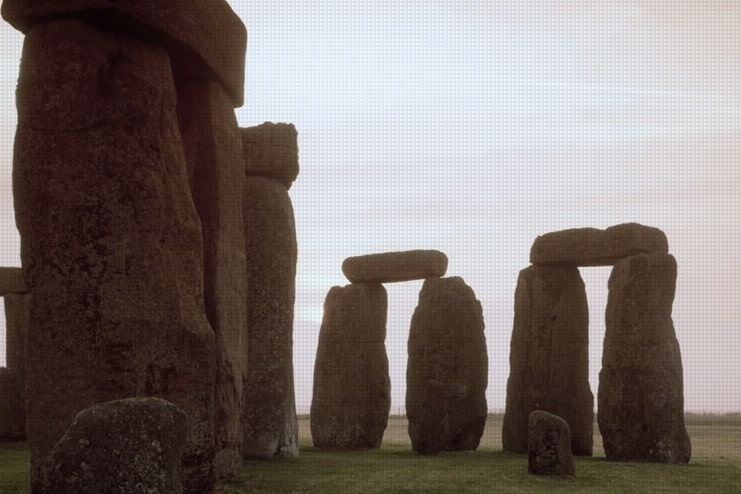

UNESCO’s plan to potentially place Stonehenge and Avebury on the World Heritage in Danger list has sparked significant conversation.
- The proposed A303 road scheme threatens the integrity of the historic site, prompting UNESCO’s scrutiny.
- National Highways and the UK government offered modifications to the project, which UNESCO found insufficient.
- The Stonehenge Alliance fervently opposes the road construction, citing cultural and environmental harm.
- National Highways chose not to comment, whereas the UK government intends to collaborate further with UNESCO.
UNESCO’s consideration to label Stonehenge and Avebury as endangered sites stems from the A303 road proposal threatening their preservation. The proposed modifications by National Highways and the UK government aim to conceal the disruption caused by the road scheme. These changes, such as adding cantilevered sides and a green bridge, contribute an additional £50 million to the project’s cost. Despite these efforts, UNESCO remains unsatisfied with the measures taken.
The World Heritage Committee’s report highlights a palpable frustration with the UK government’s approach towards its obligations under the World Heritage Convention. The perceived disregard for UNESCO’s request to halt work and allow for further dialogue exacerbates this tension. As per the report, the adaptations proposed fail to adequately address UNESCO’s concerns about the lasting impact on the landmark.
The Stonehenge Alliance, a vocal critic of this road development plan, welcomes UNESCO’s recommendation as a necessary critique. John Adams, chair of the alliance, delivered a sharp critique of the National Highways’ plans, equating superficial fixes to finding mere superficial solutions amid greater issues. He argues that instead of pursuing the contentious road scheme, funds should enhance public transport in the South West to alleviate congestion on the A303 while preserving the iconic view for passersby.
Tom Holland, the Stonehenge Alliance president, added that the current political climate offers a chance to reassess this contentious project. His analogy underscored the folly of persisting with a project initiated by political opponents, especially when it stands to tarnish Britain’s reputation internationally. Holland’s sentiment captures a broader hope for strategic reevaluation by any incoming government, suggesting a pivotal moment for policy reversal.
National Highways deflected direct comment, referring inquiries to the Department for Culture, Media & Sport (DCMS). Meanwhile, the DCMS has noted UNESCO’s preliminary decision and vows to maintain collaboration aimed at preserving Stonehenge’s esteemed global status. This ongoing dialogue highlights the balance between development needs and conservation priorities.
The clash over Stonehenge’s preservation unfolds as a test of heritage conservation against modern infrastructural demands.

