
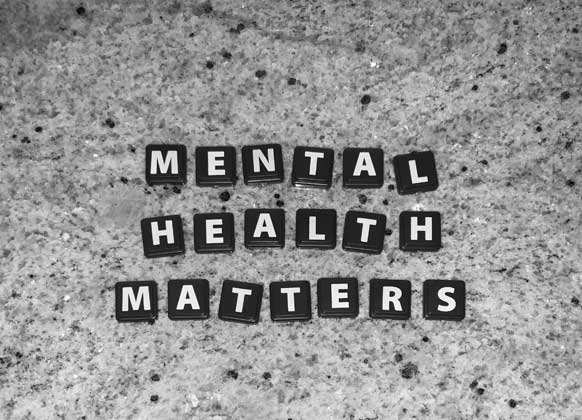

Men’s Mental Health Awareness Month highlights ongoing challenges men face in seeking mental health support. Despite progress, societal pressures hinder openness.
- Statistics reveal that one in eight men in England face mental health issues, yet many remain reluctant to seek help due to stigma and societal expectations.
- Suicide rates among men are alarmingly high. The majority of suicides in the UK involve men, as societal norms discourage open discussions.
- Bertrand Stern-Gillet emphasizes cultural change. Phrases like ‘man up’ perpetuate the stigma, limiting men’s emotional expressions and support-seeking behaviour.
- Promoting supportive workplace environments is crucial. Establishing suicide prevention programs, work-life balance, and male-friendly resources can mitigate issues.
November is designated as Men’s Mental Health Awareness Month, a period dedicated to shedding light on the psychological struggles faced by men. Despite concerted efforts to reduce stigma around male mental health, societal expectations still impose significant barriers. It is reported that one out of every eight men in England experience mental health challenges, though many hesitate to reach out for help. This hesitancy is often rooted in societal norms that discourage emotional vulnerability among men. Globally, men are statistically more prone to die by suicide than women, underscoring the urgent need for change.
Bertrand Stern-Gillet of Health Assured points out that from a young age, men often receive messages that discourage emotional expression. Phrases such as ‘man up’ and ‘boys don’t cry’ are indicative of cultural pressures that equate emotional disclosure with weakness. The reluctance to share personal struggles can lead to severe mental health issues, encompassing anxiety, depression, and even suicidal ideation. There is a pressing need to challenge these outdated beliefs and acknowledge that true strength includes embracing emotional vulnerability.
Recognising mental health symptoms can be challenging due to the unique ways in which they manifest in individuals. Gradual changes in behaviour, such as social withdrawal or changes in sleeping and eating patterns, might go unnoticed. Men are also prone to substance misuse as a coping mechanism. Symptoms like anger or frustration might be misinterpreted as character flaws instead of signals of underlying distress.
Creating a supportive workplace structure can significantly aid in addressing these challenges. It is essential for leaders to engage in open conversations about mental health, which can normalise these discussions and dismantle the associated stigma. Implementing comprehensive suicide prevention programs tailored to men’s specific needs can provide necessary support. Furthermore, fostering work environments that promote flexibility and emphasize the importance of mental well-being can help alleviate stress-related mental health issues.
Additionally, crafting mental health resources that are accessible and considerate of men’s unique needs is beneficial. This could involve unconventional therapy settings or activities and the inclusion of more male therapists to foster understanding. Lastly, challenging harmful gender stereotypes by promoting positive examples of masculinity that integrate emotional intelligence and self-care is vital.
Continuing to challenge societal norms and promote open discussions can drive significant improvements in men’s mental health awareness and support-seeking behaviour.

