
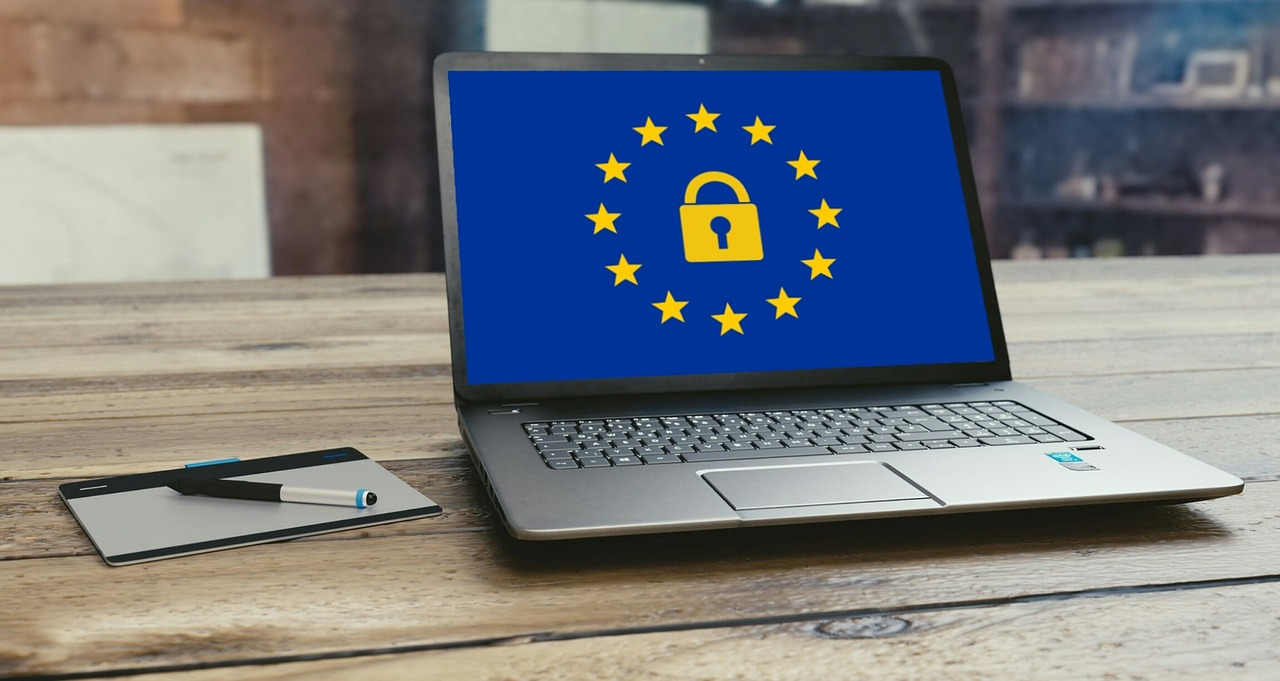

In the rapidly evolving digital landscape, privacy concerns have become paramount. Individuals and businesses must navigate a complex web of regulations protecting personal information. Key developments in privacy laws reflect a response to technological advancements and increased data collection. Understanding and complying with laws like GDPR and CCPA is a growing imperative. Compliance is essential for trust and reputation.
In today’s digital age, the convenience of online interactions has brought significant privacy challenges. The unprecedented access to information means personal data is more vulnerable to breaches, misuse, and exploitation. As user awareness about potential data risks grows, so does the demand for stronger privacy protections. This has prompted governments worldwide to introduce new laws safeguarding individual rights.
Historically, privacy laws primarily focused on physical spaces, but the advent of the internet necessitated a shift towards digital protections. The U.S. Privacy Act of 1974 marked an early attempt to regulate data handling by federal agencies. With the internet’s growth in the 1990s, the European Union’s Data Protection Directive of 1995 laid foundational principles for data protection, recognising privacy as a fundamental human right.
As the digital economy burgeoned in the 21st century, privacy laws have proliferated. The introduction of the GDPR by the European Union in 2018 has significantly reshaped global data protection standards, granting individuals greater control over their data and imposing strict obligations on businesses. Inspired by the GDPR, many countries have adopted similar regulations.
In the United States, the absence of a comprehensive federal privacy law led states like California to implement laws such as the California Consumer Privacy Act (CCPA). The CCPA provides residents with extensive rights over their data, influencing similar legislation in other states.
Various key regulations, including the GDPR, CCPA, and COPPA, are pivotal in shaping digital privacy. These laws enforce strict criteria, such as obtaining explicit consent before data collection, granting rights to access and erase personal data, and imposing penalties for non-compliance. Understanding these regulations is crucial for businesses striving to operate lawfully and maintain consumer trust.
For businesses, adhering to evolving privacy laws is both a legal necessity and a strategy to cultivate trust. Compliance involves significant investment in updating policies, securing data, and training employees. While costly, these measures are crucial in mitigating risks and maintaining a reputable image.
Failure to comply with these laws can result in severe financial and reputational consequences. With privacy issues gaining prominence, companies are increasingly judged by their commitment to data protection, underlining the importance of robust compliance strategies.
Navigating digital privacy laws is crucial in maintaining trust and reputation.

