
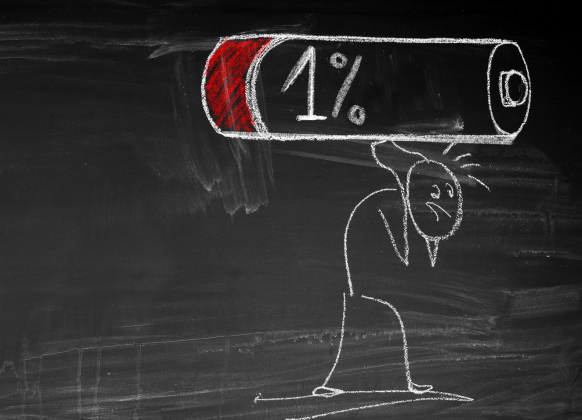

Burnout remains a significant concern across various sectors, affecting many, including autistic individuals.
- A recent study highlights that 20% of UK workers have reported taking time off due to mental health issues.
- Autistic individuals face unique challenges with burnout, linked to societal pressures and sensory triggers.
- Recognising the signs of autistic burnout is crucial for effective management and prevention.
- Effective strategies for managing autistic burnout include self-awareness, tailored support, and lifestyle adjustments.
The growing prevalence of burnout in today’s working environment is a reality that cannot be ignored. A notable study elucidates that one in five workers in the UK has had to take leave from work due to mental health issues, with stress and pressure being primary causes. Among these, accountants indicate an even higher burnout rate, with over half experiencing substantial challenges.
For autistic individuals, the experience of burnout diverges significantly from that of neurotypical individuals. Such burnout often stems from the unique pressures of living in a society predominantly structured for neurotypical people. For example, the necessity to mask autistic traits and navigate sensory-rich environments—like noisy offices—are prominent stressors that might not affect neurotypical individuals the same way. These pressures contribute to a heightened susceptibility to burnout among autistic populations.
Autistic burnout manifests in several ways that must be recognised for effective management. Common symptoms include mental health concerns such as depression and anxiety, as well as challenges with executive functioning. These symptoms can severely impact an individual’s ability to function independently, necessitating careful observation of behavioural changes such as increased sensory sensitivity and difficulty with self-regulation.
Managing autistic burnout effectively demands a comprehensive understanding of personal triggers and symptoms. Autistic individuals must prioritise self-care by recognising the signs of burnout early and taking steps to address them. Strategies such as maintaining a balanced lifestyle with adequate rest, pursuing interests that provide cognitive respite, and practising unmasking can significantly contribute to mental wellbeing. Furthermore, autistic individuals are encouraged to seek out supportive networks that affirm their experiences and offer guidance in managing stress.
The importance of recognising the divergent experience of burnout in autistic individuals cannot be overstated. By appreciating the unique challenges faced by autistic people, both individuals and their support networks can take informed and proactive steps to mitigate these challenges.
Awareness and tailored strategies are essential in addressing autistic burnout effectively.

