
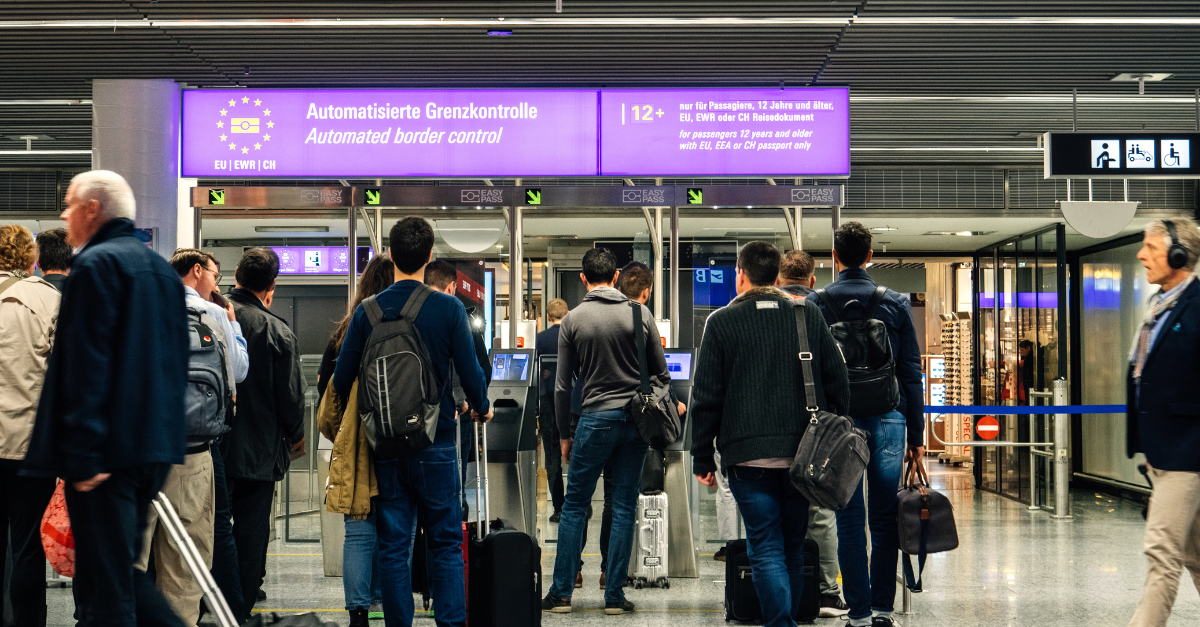

The European Union’s planned entry-exit system faces growing uncertainty as speculation around further delays mounts.
Originally set for a November launch, the system has encountered multiple hurdles, prompting diplomatic and industry-wide discussions.
The impending launch of the European Union’s entry-exit system (EES), originally scheduled for 10th November 2024, is surrounded by uncertainty as speculation of further delays intensifies. The European Commission’s upcoming update is keenly awaited, following two postponements. Industry insiders anticipate a ‘soft launch,’ allowing airports to bypass checks in overcrowding scenarios.
Reports from The Guardian suggest minimal chances of the system’s full deployment in the foreseeable future, citing diplomatic sources from the EU. Contingency measures are expected to be discussed during a home affairs ministers’ meeting in Luxembourg, potentially resulting in a gradual implementation, each port and airport rolling out over several months to a year. France, Germany, and the Netherlands have reportedly expressed concerns about deploying the EES in its current state.
The EES requires non-EU citizens to submit biometric data, such as fingerprints or photographs, before entering the Schengen area. However, the scale of the technical and operational challenges in implementing such a system has sparked concerns. It’s been flagged that airports might face substantial logistical obstacles in managing biometric data efficiently, especially during peak travel times.
UK travel trade bodies, including major airlines, have been eagerly awaiting confirmation of the system’s launch timeline. EasyJet’s CEO, John Lundgren, shared his apprehension at the Abta Travel Convention, asking if adequate planning and mitigation strategies are in place to avoid travel disruptions. He stressed the importance of preparedness amongst industry players to handle potential hiccups.
Delays in the EES launch are likely to carry significant economic implications, potentially affecting the travel sector’s recovery post-pandemic. The uncertainty around the system’s implementation might deter travellers, unsettling travel market dynamics. Industry experts warn that continued postponements could undermine confidence in Europe’s border control measures.
The promise of enhanced security through the EES is significant, expected to streamline border crossings across the Schengen area. Yet, the challenges of execution are non-negligible, creating a complex balancing act between enhancing security and ensuring seamless travel. Often, the choice between immediate implementation and phased rolling out divides opinions among policymakers and industry experts alike.
As the potential launch date nears, all eyes remain on the European Commission’s forthcoming announcement. This decision is anticipated to chart the path forward, addressing the concerns of both sceptics and advocates of the system. With less than a month remaining, the travel industry braces itself for the Commission’s final word.
The European Commission’s forthcoming decision is crucial, as it may significantly impact the future of European travel.
The delicate balance between ensuring border security and facilitating smooth travel remains a central challenge.

