
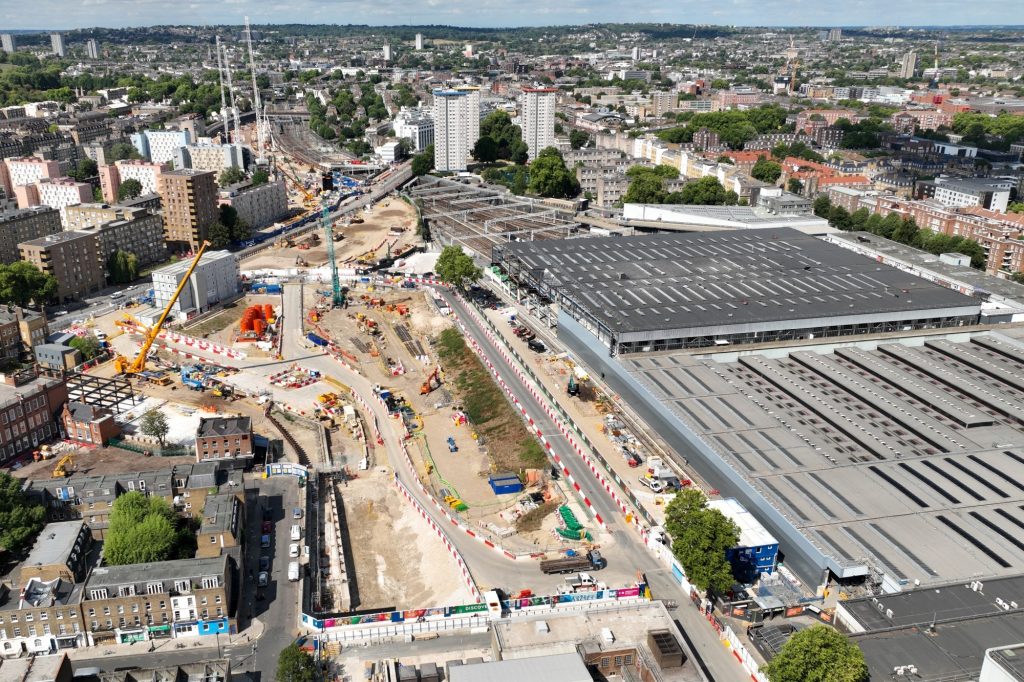

The progression of the HS2 Euston Station development faces uncertainty as the anticipated private funding plan fails to materialise on schedule. Newly released minutes from an April meeting highlight the delay in presenting funding options. Former public funding was redirected following a decision by ex-PM Rishi Sunak. Current plans lack clarity with a focus on future private funding strategies. Concerns persist over cost-efficiency overshadowing value creation.
The HS2 Euston Station development has hit a stumbling block, with private funding plans not reaching ministers as anticipated. Minutes from the Euston Partnership Board’s April meeting indicate that options were supposed to be formulated earlier this summer. This delay is a significant concern for the project initially expected to maintain strict timelines.
In October of the previous year, former Prime Minister Rishi Sunak made a decisive move to cut public funding for the Euston Station leg of HS2. The strategy was built on the premise that the project could be financed through development gains in the surrounding vicinity, notably from an ambitious plan for 10,000 new homes. Yet, the shift to private funding reliance has brought about numerous challenges and speculations.
Jill Adam, the Department for Transport (DfT) project director, confirmed steady advancements in private finance preparation. This included steps towards quantitative analysis and assessing Value for Money criteria, essential before shortlisting potential options. Despite these efforts, parliamentary recesses and a general election have contributed to deferred communication between civil servants and ministers.
Transport Secretary Louise Haigh has acknowledged the active pursuit of possibilities surrounding Euston’s funding. She has stressed the urgency of addressing the current situation, where the site is metaphorically described as a ‘massive hole in the ground’. However, concrete proposals and timelines remain undisclosed, maintaining an air of vagueness about the project’s path forward.
The post-Sunak era has seen a heavier emphasis on private sector involvement, with the Euston Partnership Board being revitalised to include members from a wider array of departments such as the Treasury and Infrastructure & Projects Authority. This restructuring is indicative of broader attempts to streamline decision-making processes and fortify the project’s financial backbone.
Network Rail’s efforts to redesign its own plans for Euston reflect broader apprehensions about cost efficiency overvaluing spatial and community impacts. Former Camden Council leader Georgia Gould vocalised her concerns that current plans might undercut essential placemaking elements, with a ‘minimum viable product’ becoming a focal but potentially controversial term.
Despite these challenges, conversations continue about integrating technology to optimise space and efficiency within Euston. This includes, as suggested by Stephen Dance from the IPA, the potential reduction of physical space needed for passenger accommodation, underscoring a forward-thinking but indefinite approach to the project’s logistics.
Current deliberations around Euston Station’s funding highlight the complexities and uncertainties in large infrastructure projects reliant on private sector collaboration.

