
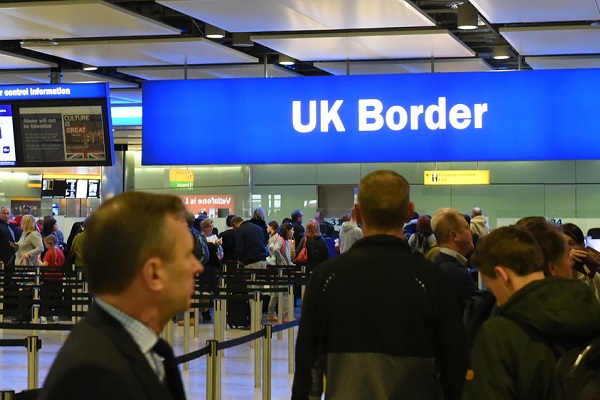

The UK is on the brink of a transformative change in its border control systems. A shift towards a more streamlined, technology-driven approach is underway.
New proposals aim to eliminate the need for travellers to present passports upon entering the UK. This is part of a broader initiative to enhance security and efficiency at the borders.
Adoption of Next-Generation E-Gates
The introduction of advanced e-gates marks a pivotal evolution in the UK’s border control strategy. These cutting-edge e-gates will leverage facial recognition technology to facilitate a smoother entry process for international travellers. This system promises not only to enhance security but also to drastically reduce the time needed for border checks.
Phil Douglas, the director-general of Border Force, emphasised the ambition to establish an ‘intelligent border’. He noted that the new system would utilise ‘more frictionless facial recognition’ than currently available, aiming for a seamless experience similar to systems already in place in other global hubs.
Global Inspiration and Local Implementation
Drawing inspiration from international examples, the UK plans to emulate the ‘gold standard’ of border controls seen in places like Dubai, which permits facial recognition for 50 nationalities. Douglas recently observed the efficiency of next-generation e-gates during his visit to Australia, further motivating these developments.
Installation of these e-gates is scheduled to commence this year, with a full procurement process for the new gates set to follow. The transition aims to revolutionise the existing network of over 270 e-gates across the UK.
The Electronic Travel Authorisation Scheme
The UK’s move towards passport-free entry is part of a wider implementation of the Electronic Travel Authorisation (ETA) system.
The ETA, an app-based scheme costing £10 per passenger, has already been rolled out for Qatari nationals and is expected to extend to several Middle Eastern countries by February.
This scheme requires potential visitors to the UK to download an application, respond to specific queries, and upload a photograph and passport details.
Security and Efficiency Advantages
The integration of biometrics in border control processes is anticipated to significantly enhance security. According to Douglas, the UK will gain advanced knowledge about travellers, enabling authorities to efficiently identify and manage individuals with past compliance issues or security flags.
He predicts a gradual phasing out of traditional passport desks over the next few years, largely due to the capabilities of the new technology.
European Union’s Parallel Measures
The European Union is similarly updating its border security systems in response to increased security threats.
A new entry/exit system (EES) is set for implementation in October, targeting all non-EU travellers. It mandates biometric data collection during a traveller’s initial visit to the EU, followed by verification on subsequent entries.
In 2025, a visa-waiver system akin to the UK’s ETA will be introduced, further securing and streamlining travel procedures.
Implications for International Travel
The move towards a passport-free border not only aims to boost security but also substantiality reduce waiting times at UK borders for genuine travellers. This technological advancement signals a shift in how nations balance security with efficiency.
The journey time for passengers, especially those from nations included in the ETA scheme, is expected to decrease, making the UK a more attractive destination for travellers.
A Step Towards the Future of Travel
Phil Douglas optimistically conveyed that the future of travel is rapidly evolving, predicting the obsolescence of manual passport checks.
This forward-thinking approach aligns with global trends towards digital transformation in travel and border management, reinforcing the UK’s position as a leader in adopting innovative travel solutions.
In conclusion, the UK’s ambitious plans to phase out passport checks align with the global movement towards secure, efficient, and technologically advanced border management. By integrating cutting-edge biometric technologies, the UK is set to enhance its border security while ensuring a more seamless experience for international travellers.

