
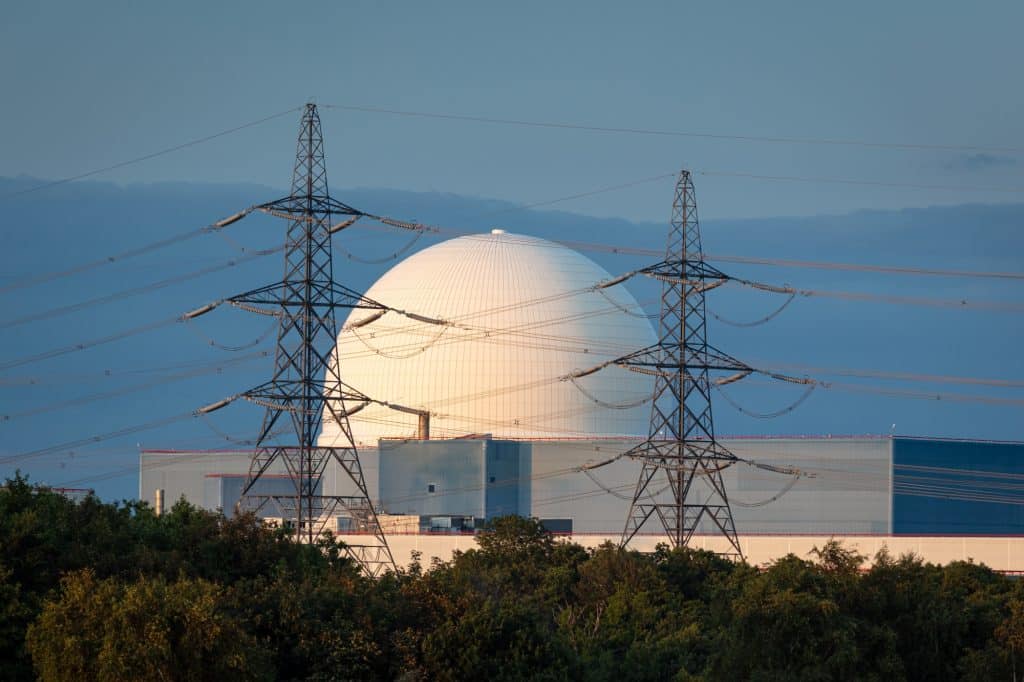

On 14 October, the UK’s blackout prevention system activated, issuing a capacity market notice.
- Sizewell B’s maintenance shutdown contributed to the need for the notice, affecting 1.2GW of power supply.
- The UK’s changing energy mix and increased electricity demand highlight new grid management challenges.
- Capacity market notices serve as precautionary signals rather than imminent blackout alerts.
- Automated notices can lack real-time context, underscoring the importance of manual oversight.
On 14 October 2024, the UK’s ‘blackout prevention system’ was activated when a Capacity Market Notice (CMN) was issued. This automatically generated alert informed the National Energy System Operator (NESO) and grid stakeholders of potential pressure between electricity supply and demand. Although frequently misconceived as an immediate blackout threat, a CMN is primarily a cautionary measure requesting additional generation or temporary demand reduction.
The backdrop to this alert was the planned shutdown of Sizewell B for maintenance and refuelling, which normally contributes 1.2GW to the national grid. The loss of this output, a context of increased electrification in transport and industry, and the phase-out of coal necessitated heightened vigilance.
Significantly, the UK has seen a dynamic shift from coal to renewables like wind and solar over the past two decades. The grid’s demands have evolved, with a greater reliance on aging nuclear infrastructure and burgeoning renewables. This shift necessitates agile grid management to handle fluctuating supply caused by varying weather conditions and external market factors.
Professor Keith Bell, a co-director of the UK Energy Research Centre, emphasised that the CMN on 14 October was not an emergency indicator but a preventive action. He highlighted that the system’s automated nature means it sometimes operates on incomplete data, potentially leading to premature alerts.
Despite the notice, NESO swiftly nullified concerns, asserting via social media that generation was adequate, and the grid was stable. They highlighted that CMNs are standard tools for keeping the grid supply-demand balance, facilitating market responses, and reducing unnecessary alarm.
Energy specialists like Simon Cran-McGreehin point out that outages at aging nuclear plants, such as Sizewell B, exemplify the vulnerabilities in the current system. Increasing reliance on renewable energy infrastructures overlaps with these outages forcing tight supply margins, making developments like CMNs inevitable yet manageable with appropriate interventions.
The CMN withdrawal within two hours signalled NESO’s proactive management. Precautionary measures included altering interconnector transfers and managing demand through existing controls, ensuring continuity of supply even amidst high demand periods. NESO’s detailed oversight enabled the maintenance of grid stability without resorting to extreme interventions.
The UK’s energy landscape, defined by evolving supply dynamics and robust grid management systems, underscores the importance of adaptable strategies to maintain stability.

