

Travellers to Europe face potential border delays with the impending EU Entry/Exit System (EES).
- Local government leaders highlight a ‘communications problem’ contributing to traveller unawareness.
- Dover District Council warns of severe gridlock without effective EES communication strategies.
- Industry leaders express frustration over delayed communication plans for the EES implementation.
- The EU’s postponement of the EES launch reflects readiness concerns among key member states.
UK travellers to Europe are largely unprepared for potential disruptions and delays associated with the EU’s forthcoming biometric Entry/Exit System (EES). This lack of awareness is attributed to a significant ‘communications problem,’ as pointed out by local government leaders. Without effective communication, the introduction of EES could exacerbate existing border congestion issues.
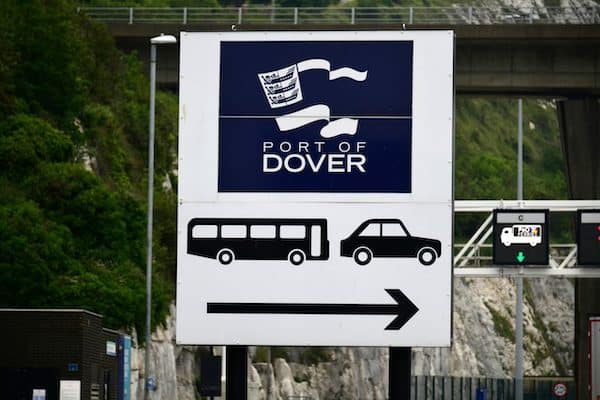
Councillor Kevin Mills of Dover District Council articulated concerns about the potential impact of EES on the region, highlighting an expectation of ‘gridlock on steroids’ should the system be implemented without adequate information dissemination. According to Mills, without EES, Dover already experiences gridlock several times a year, and the addition of EES could significantly worsen the situation. The Department for Transport (DfT) has predicted possible delays of up to 14 hours, yet there has been no meaningful engagement with local bodies on anticipated effects.
John Keefe, from the Eurotunnel operator Getlink Group, expressed frustration over the absence of a coherent communications plan, which was promised but not delivered. This has hindered the ability to prepare UK travellers appropriately. Keefe emphasized that this is primarily an EU project, and therefore, the responsibility for communication ultimately lies with them. However, the lack of clarity remains a substantial issue.
Similarly, Gareth Williams from Eurostar noted a missed opportunity to increase awareness post-Olympics due to delays in launching a planned communication campaign. Williams stated that, despite internal efforts to address this through customer surveys, the overall awareness remains inadequate. The EU’s postponement of the system, originally scheduled for November 10, was due to technical readiness concerns identified by France, Germany, and the Netherlands.
The delay in the EES rollout has stalled the planned communications, leaving travellers in the UK particularly vulnerable to misinformation and lack of preparedness. Williams suggested that while communication strategies have been developed, they are futile until certainty about the system’s launch date is established.
The absence of a definitive communication strategy risks significant travel disruptions for UK travellers with the upcoming EES launch.

