
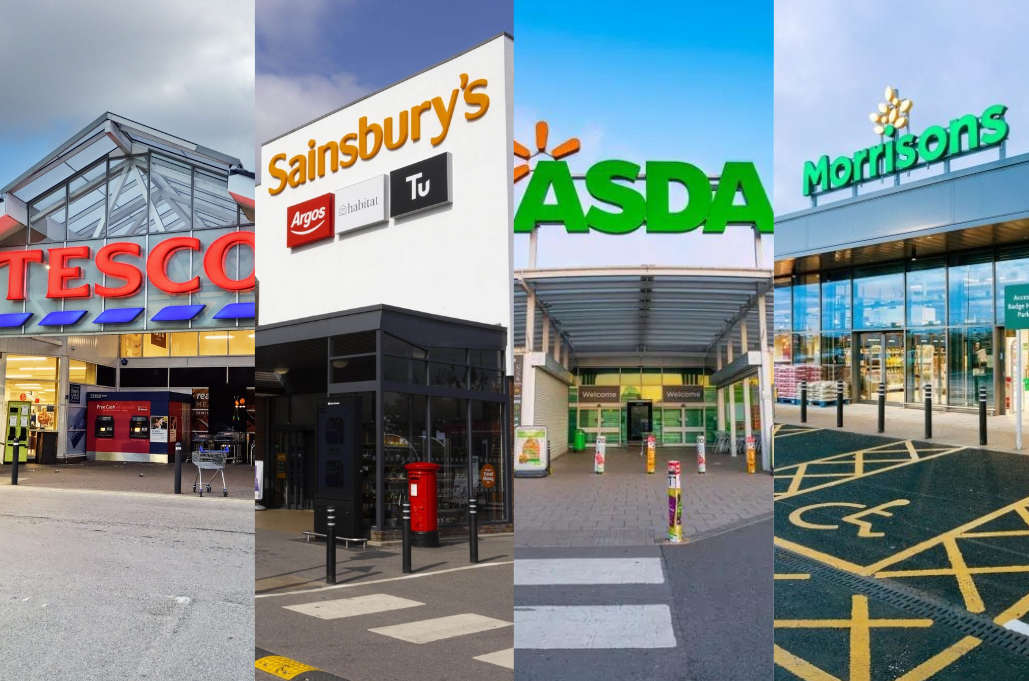

The Chancellor is poised to announce a significant rise in National Insurance contributions affecting major UK supermarkets.
- Tesco, Sainsbury’s, Asda, and Morrisons could face a collective hike of £200m due to a two-percentage point increase.
- Tesco might incur an additional £75m due to its extensive workforce of 300,000 employees.
- Warnings from M&S highlight concerns about the impact of increased business taxes on economic recovery.
- Minimum wage rises add pressure, increasing UK retailers’ operational costs further.
The Chancellor of the Exchequer is anticipated to reveal an increase in employer National Insurance contributions in today’s Budget statement, potentially imposing an additional £200 million financial burden on the UK’s largest supermarket chains. This proposed increase, reported to be a two-percentage point rise, is particularly concerning for leading retailers such as Tesco, Sainsbury’s, Asda, and Morrisons.
Supermarkets are expected to absorb this considerable increment in National Insurance payments, with Tesco alone possibly encountering a £75 million rise in its annual contributions due to its approximately 300,000 UK-based employees. The financial implications for these supermarkets are substantial, considering the scale of employment within these organisations.
M&S’s chief executive, Stuart Machin, recently voiced apprehensions regarding the ramifications of such tax hikes. Machin cautioned that elevating National Insurance and other business taxes might only serve as a short-term remedy, potentially hindering long-term economic recovery efforts. He stressed that additional taxes could obstruct retailers’ ability to provide job opportunities, echoing previous sentiments by the Chancellor describing National Insurance as essentially a tax on employment.
At the same time, retailers are bracing for further increases in operational costs following confirmed uplifts in minimum wage rates. Starting April 2025, the minimum wage will rise by 6.7%, and the current National Living Wage will be adjusted from £11.44 to £12.21 per hour. Moreover, younger workers aged 18 to 20 will see their minimum hourly wages increase by £1.40 to £10.
Paddy Lillis, General Secretary of the Usdaw union, has expressed approval of the wage hikes, acknowledging the positive direction towards establishing a statutory real living wage. This move marks a significant step in addressing youth pay disparities, although it concurrently intensifies the financial strain on retailers managing increased wage bills.
The anticipated rise in National Insurance and wage levels presents a complex challenge for UK supermarkets, impacting their financial strategies and operational capacities.

