
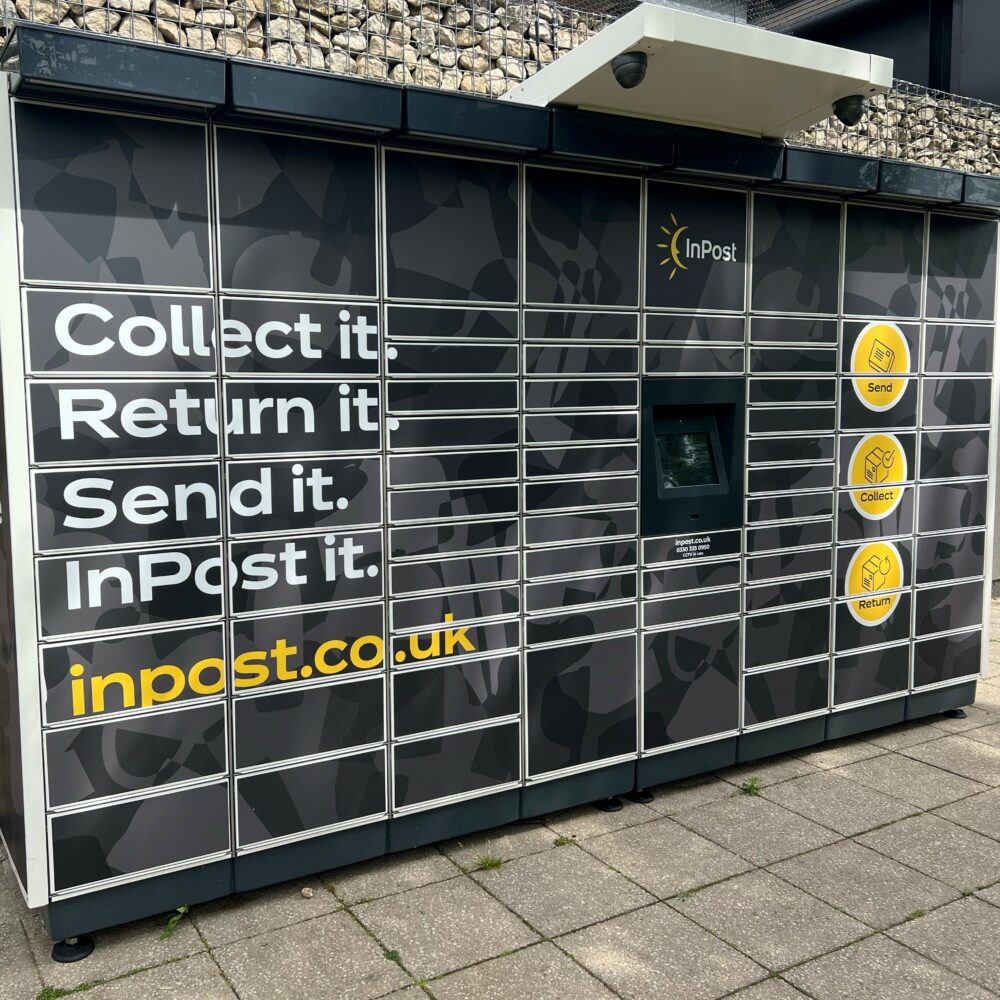

The use of delivery lockers by UK consumers for online orders has surpassed the halfway mark, according to a recent study. Increasingly, convenience and cost-effectiveness are driving factors.
Research indicates that over 50% of shoppers are pivoting towards delivery lockers, with notable adoption among younger generations seeking sustainable and secure delivery methods.
Growing Popularity Among Younger Generations
The research underscores an escalating trend among Gen Z and millennials, with 71% and 68% respectively opting for delivery lockers. Convenience, cost savings, and speed are highlighted as primary motivators for this demographic group.
Among younger consumers, delivery options are pivotal, as 35.5% express willingness to pay more for flexible solutions. This group aligns locker deliveries with sustainability values, propelling lockers into mainstream usage.
Delivery Lockers vs. Traditional Methods
Locker usage has soared, now deemed the second most preferred delivery method, only surpassed by home delivery at 74%. Click and collect lags behind at 21%, illustrating lockers’ growing appeal.
Lockers are ranked as a first or second choice by over half the users, with an impressive 71.7% placing them in their top three preferences.
The demand is not only about accessibility but also about reducing parcel theft risk, with 20% of respondents citing security concerns related to door-step deliveries.
Economic and Environmental Impacts
Economic pressures are steering consumers towards more frugal delivery options that mitigate additional costs, such as return fees.
Locker systems present an economic advantage for both consumers and retailers, helping bypass certain logistical expenses in delivery chains.
Beyond cost-effectiveness, 84.2% of consumers perceive lockers as a more sustainable solution. This growing ecological awareness is reshaping delivery landscapes.
Divergence in Attitudes Among Age Groups
Interestingly, research highlights a division in delivery priorities, with only 48.5% of the over 65 demographic valuing a wide array of delivery options.
By contrast, younger generations exhibit a clear preference for diversity in delivery modes, reinforcing the importance of adaptability in e-commerce strategies.
Sector Insights and Future Trajectory
Richard Lim’s insights reflect the broader transformative dynamics in retail, with technological advances and evolving consumer expectations prompting re-evaluation of traditional delivery models.
Peter Blackburn emphasises the significance of these shifts, advocating for innovative approaches to meet emerging consumer needs. As lockers gain popularity, their role in revolutionising logistics is set to expand.
Both experts underscore the necessity for retailers to adapt swiftly, balancing cost-effectiveness with consumer expectations for efficiency and security in deliveries.
Retailers’ Response to Changing Consumer Behaviour
The retail sector faces pressures as household budgets tighten, urging businesses to innovate and adopt delivery lockers as a viable solution.
Retailers must realign strategies to address margin pressures by leveraging delivery lockers to enhance service offerings whilst managing operational costs.
Conclusion
Retail e-commerce is experiencing a significant transformation with the rise of delivery lockers. These emerging trends point towards a future where convenience, cost-efficiency, and sustainability drive consumer decisions.
The shift towards delivery lockers signifies a broader evolution in consumer behaviour, reflecting a balanced approach to modern retail requirements and ecological considerations.
The study reaffirms a transformative period in retail, marked by a substantial shift towards delivery lockers. This evolution not only meets modern consumer demands but also aligns with broader environmental objectives.
The trajectory of delivery solutions will likely see further innovation, with lockers at the forefront, shaping a new paradigm in ecommerce logistics.

