
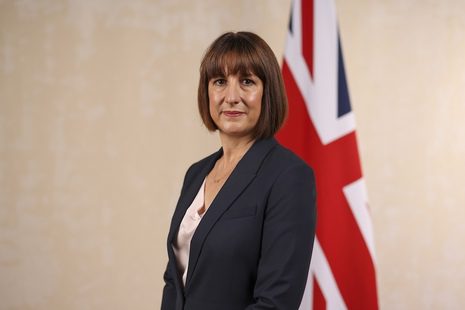

The Chancellor of the Exchequer, Rachel Reeves, has announced significant fiscal changes, including increases in National Insurance and minimum wage.
- Employers will face a 1.2% rise in National Insurance contributions, now at 15%, generating an estimated £40bn in taxes.
- The threshold for National Insurance has been lowered, with businesses starting payments on earnings above £5,000, raising an additional £25bn annually.
- The Employment Allowance has been doubled to £10,500, allowing 865,000 employers to be exempt from National Insurance next year.
- The National Living Wage will increase by 6.7% to £12.21 an hour from April, surpassing previous recommendations.
The recent fiscal policy changes introduced by Rachel Reeves, the Chancellor of the Exchequer, mark a significant shift in the UK’s economic landscape. One of the key changes is the increase in employers’ National Insurance contributions, rising by 1.2%, from 13.8% to 15%. This measure is expected to raise up to £40 billion in taxes, which is intended to support long-term economic growth and reduce dependency on short-term financial strategies.
Furthermore, the threshold at which businesses commence paying National Insurance on a worker’s earnings has been reduced from £9,100 to £5,000. This change alone is projected to contribute an additional £25 billion each year to the national budget. As part of these adjustments, the Chancellor has taken steps to cushion smaller businesses by increasing the Employment Allowance from £5,000 to £10,500. This enhancement will result in 865,000 employers not having to pay any National Insurance contributions in the upcoming year, which is aimed at promoting business sustainability and growth.
Alongside these tax changes, Reeves has declared an increase in the National Living Wage by 6.7%, bringing it to £12.21 per hour starting from April. This decision slightly exceeds the Low Pay Commission’s earlier recommendation of a 5.8% increase to £12.10. The wage increase reflects the government’s commitment to supporting lower-income workers amidst rising living costs.
Additionally, changes are also seen in business rates and alcohol duties. While a 75% discount on business rates for sectors like retail, hospitality, and leisure will decrease to 40%, the cap on discounts could reach up to £110,000. On the duty front, a 1.7% cut on draught alcohol is expected to lower the cost of pints in pubs, although rates for other alcoholic products will increase in line with the Retail Price Index from next February.
Capital Gains Tax (CGT) will also see modifications, with lower rates climbing from 10% to 18%, and higher rates from 20% to 24%. Although the CGT on residential property remains between 18% and 24%, carried interest rates will rise to 32% from April 2025. Nevertheless, UK’s CGT remains the lowest among G7 nations, maintaining a competitive edge.
The fuel duty freeze will continue into the following year with a 5 pence duty cut remaining intact, showing the government’s intent to stabilise costs for the public. Further governmental initiatives include the upcoming ‘Get Britain Working’ white paper, which aims to address unemployment issues countrywide.
These fiscal changes reflect a robust approach to bolstering the UK’s economy while supporting businesses and workers alike.

