
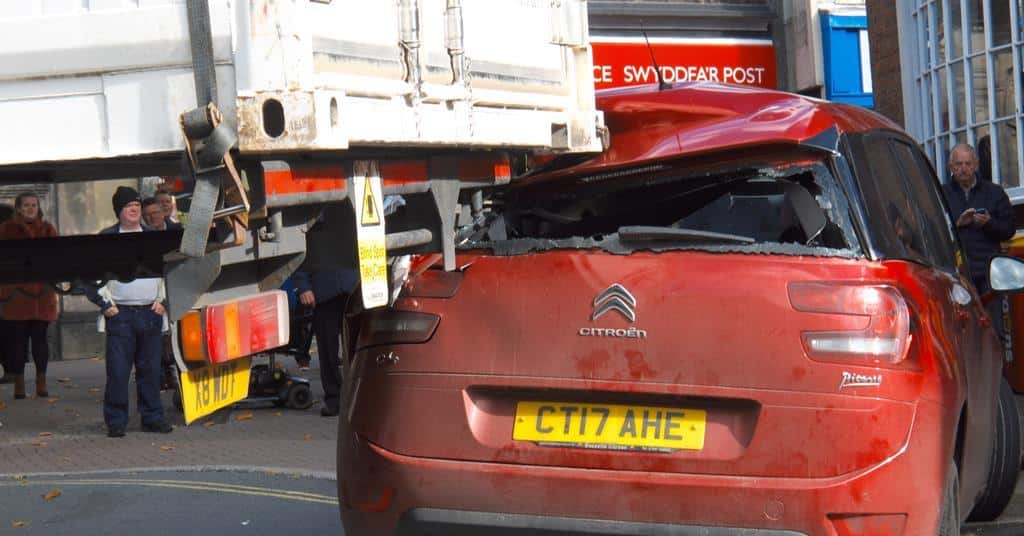

A new study by Allianz highlights a significant issue among UK truck and van drivers. Over half of these drivers reportedly switch off driver assistance systems. These systems are considered impractical, annoying, or unnecessary by many. Dangerous interactions with unprotected road users are common for UK drivers. Call for improved training and technology to enhance safety.
In a recent survey conducted as part of Allianz Motor Day, it was found that a substantial 54% of UK truck and van drivers choose to deactivate their vehicle’s driver assistance systems. This decision is often based on perceptions that these systems are impractical, annoying, or superfluous. Comparatively, similar sentiments are echoed across Europe, including 54% in France, 50% in Germany, 48% in Spain, and 47% in Italy.
Christian Sahr from the Allianz Centre for Technology stressed the importance of these findings. He questioned the utility of driver assistance systems if they remain unused and emphasised the need for comprehensive training for both fleet operators and drivers. He noted that recent studies indicated that enhanced driver visibility in commercial vehicles and the use of active blind-spot assistants could have potentially prevented one-third of the studied road collisions.
The survey further reveals that 42% of UK commercial drivers experience dangerous encounters with unprotected road users weekly. This statistic is even more concerning in some European countries, with figures reaching as high as 53% in Germany. Gerry Ross from Allianz UK underscored the critical nature of advancing driver assistance technologies to bolster road safety. He highlighted that over half of the heavy vehicle drivers experiencing such conflicts is alarming and demands immediate attention.
The frequency of general road users encountering dangerous situations weekly in the UK stands at 18%, indicating a comparatively safer environment than in countries like France, Germany, Spain, and Italy, where these figures are significantly higher. Allianz SE board member, Klaus-Peter Roehler, pointed out the continuing challenges of road safety in Europe, calling for improved safety equipment for trucks and vans. He argued that widespread implementation of two known safety measures could drastically reduce accidents involving trucks, pedestrians, and cyclists.
Roehler’s appeal is directed towards manufacturers, policymakers, freight carriers, and insurers to take concerted action to prioritise human life over any cost considerations. Given the rapid technological advancements, he stressed the need for more effective measures to protect life on the roads.
Enhancing training and adopting technological advancements are essential to improving road safety for all.

