

UK households see improved spending power as inflation rates fall.
- Disposable income increased by 12% year-on-year in August.
- Average disposable income reached £247 per week, the highest since March 2021.
- Inflation on food and drink decelerated to 1.3%.
- Spending power is likely to continue growing towards Christmas.
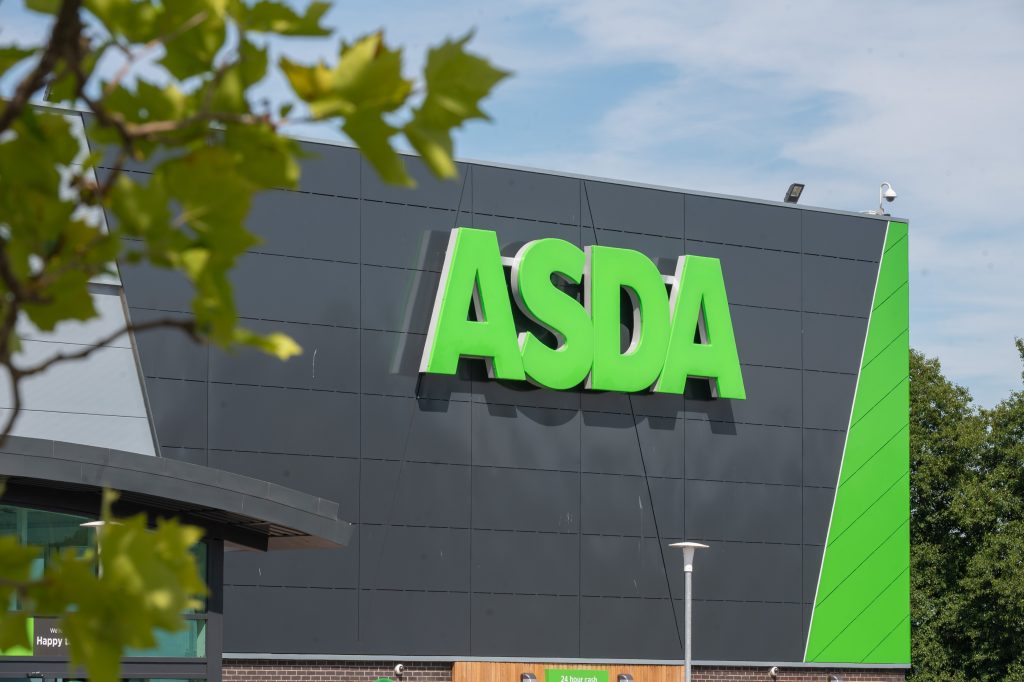
As the cost of living crisis eases, UK households are beginning to experience a tangible improvement in their spending power. This change is driven by a notable decrease in inflation rates, particularly affecting essential groceries. According to Asda’s recent Income Tracker, the disposable income for UK households increased by 12% compared to the previous year in August.
In August, the disposable income for an average UK household reached £247 per week, marking a significant milestone as it surpassed the pre-cost-of-living crisis peak of £246 in March 2021. This improvement comes despite the overall inflation rate remaining unchanged since July. Interestingly, inflation specifically related to food and drink saw a slowdown, dropping to 1.3%.
The outlook for the upcoming months remains optimistic, especially with the festive season approaching. Asda anticipates that the average UK household will benefit from increased cash reserves in the lead-up to Christmas. This is attributed to a 5% drop in inflation since the previous August, alongside a general stability in spending power.
However, concerns persist for the segment of the population with the lowest income. Despite improvements, these households continue to grapple with the effects of the cost-of-living crisis. Such households face a slower rate of increase in spending power, leaving them with an average weekly shortfall of £66.
CEBR senior economist Pushpin Singh has highlighted that despite a recent deceleration in earnings growth, wage increments still exceed the rise in consumer prices. He indicated an expectation for further growth in spending power in the months ahead, although at a potentially reduced rate as wage growth continues to slow.
The easing of inflation is fostering improved economic conditions for many UK households.

