
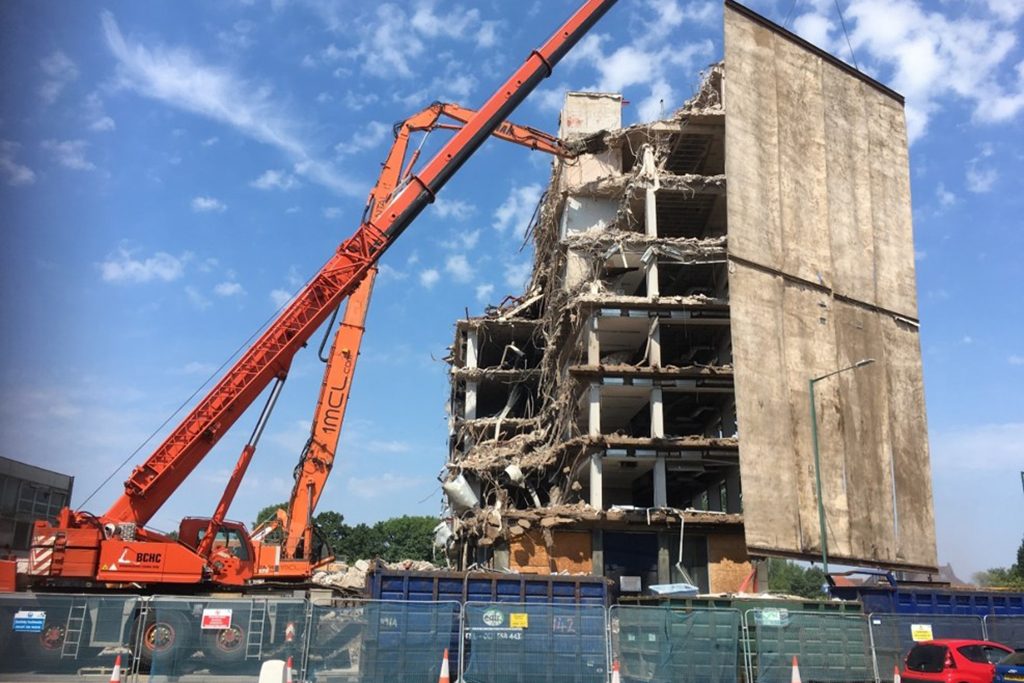

The UK demolition industry’s performance this year showcases a blend of growth and challenges.
- Aggregate turnover remained stable, yet Keltbray’s remarkable revenue increase stands out, contrasting with Erith’s minimal growth.
- A troubling admission of historical bid rigging by several contractors, including Keltbray, has led to financial provisions by those involved.
- Median profit margins have notably improved, with certain companies experiencing significant boosts in revenue and operational performance.
- The investigative climate and economic conditions continue to shape strategies and operations within the sector.
The performance of the UK’s demolition industry this year highlights a balance of advancements and hurdles. Aggregate turnover showed little change compared to previous years. Notably, Keltbray achieved a significant revenue increase of 18%, rising from £149.4 million to £175.6 million, representing a considerable improvement from the previous year’s 38% revenue decline. Conversely, Erith, which topped the index last year, reported a modest revenue growth of 1% or less and anticipated flat growth for the coming year due to broad market conditions.
Investigations into historical bid rigging have significantly impacted the industry. Earlier this year, Keltbray, along with seven other demolition specialists, confessed to involvement in at least one instance of bid rigging from 2013 to 2018, as investigated by the Competition and Markets Authority (CMA). This admission has led to provisions in the financial statements of these companies. Keltbray has recognized a potential liability of up to £16 million linked to a civil regulatory matter, while John F Hunt and McGee have also accounted for substantial liabilities related to historical regulatory breaches.
Despite the challenges, some organisations have seen improvement in financial performance. The median profit margin in the demolition sector rose to 3.4% from 2.5% the previous year. Companies such as PP O’Connor, McGee, and Deconstruct UK reported enhanced revenue and pre-tax profits. PP O’Connor attributes its success to strategic expansions, including a new headquarters and significant investments in machinery and fleet.
With the current economic landscape, demolition firms have been more transparent in breaking down their diverse operations, focusing largely on demolition-specific activities. This increased clarity in financial reporting underscores the challenges and shifts within the industry. Notably, R Collard, a contender in the index, highlighted the impact of the past years’ economic difficulties, primarily due to the COVID-19 pandemic, which led to shifts in client behaviour and operational adjustments.
The UK demolition industry faces a complex landscape of growth, regulatory challenges, and market pressures.

