

The UK construction industry showed modest growth in September 2024, continuing a positive trend despite challenges.
- September 2024 saw a 0.1% increase in construction output, driven by infrastructure and non-housing sectors.
- A significant 22% decline in new orders was noted in Q3 2024, with private and public housing sectors most affected.
- Infrastructure projects experienced a surge, with a notable increase in approvals for renewable energy initiatives.
- Industry leaders remain positive, citing opportunities to balance winter slowdowns and address labour cost concerns.
The UK construction industry marked a slight growth of 0.1% in September 2024, as reported by the Office of National Statistics (ONS). This follows a 0.6% rise in August, which was revised upwards from an initial 0.4% estimate. Despite a 0.4% contraction in July, the third quarter of 2024 exhibited a promising 0.8% rise, equivalent to a £444 million increase. This growth was predominantly driven by a 2% boost in new construction work.
Infrastructure and non-housing repair sectors were the main contributors to this positive shift, with infrastructure alone achieving a 2.8% increase, translating to £213 million. Non-housing repair and maintenance showed a 2.6% rise, adding £298 million. Meanwhile, the private housing repair sector was the sole negative performer, declining by 5.8% over the quarter.
September 2024 recorded a total construction output of £17.65 billion, driven by improvements in four out of nine sectors. Private housing and infrastructure works were noteworthy contributors, though the industry faces a downturn in new construction orders. Quarter 3 saw a steep 22% reduction, amounting to a £2.72 billion decrease—the lowest since late 2023. Non-housing new orders fell by 18.3%, heavily impacted by reduced private commercial ventures, especially in office and retail.
Public sector new orders, particularly in housing, were also hit hard, with a 28% decrease. Private housing orders showed a more significant decline of 31.3%, while public housing plummeted by 40.5%. Moreover, construction prices rose by 2% over the year to September 2024, reflecting broader inflationary pressures.
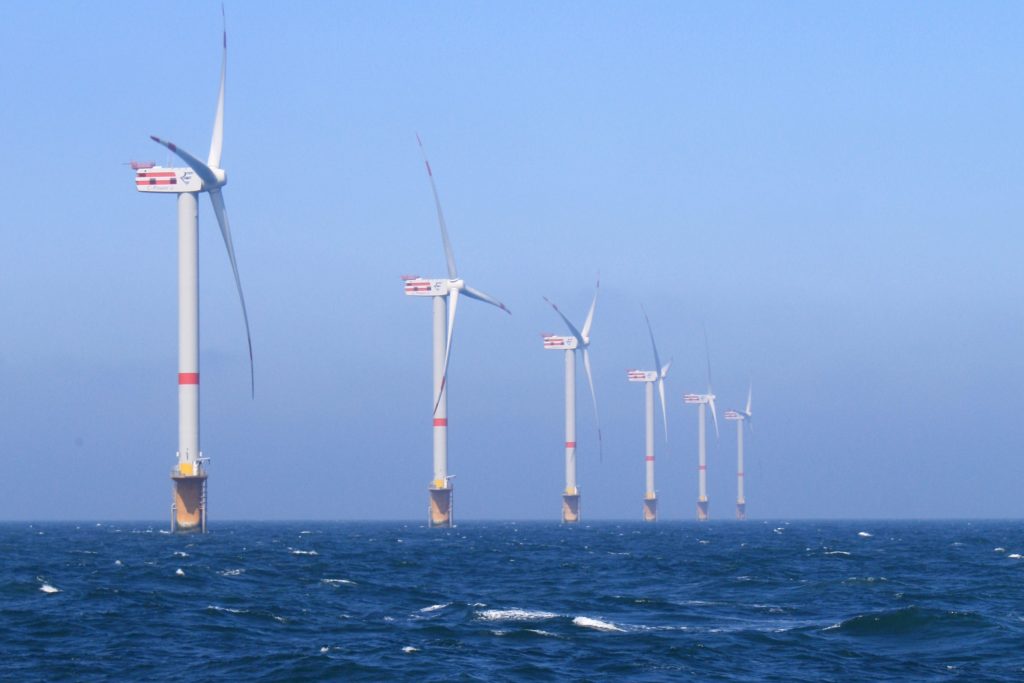
Notably, Barbour ABI data indicated a robust performance in the infrastructure sector, driven by renewable energy projects. October approvals surged by 298%, building on a 136% rise in September. The largest approvals included substantial investments in green energy, such as Scotland’s Ossian Offshore Wind Farm and other major solar and battery storage projects across the country.
The commercial and retail sectors saw October contract awards grow by 189% to £1.1 billion, with residential awards increasing by 41%. This momentum illustrates the government’s commitment to sustainable energy. Meanwhile, the industry anticipates further planning applications following an 18% increase in new infrastructure projects, spearheaded by battery and wind power initiatives.
Industry leaders remain optimistic despite these mixed outcomes. Aecom’s Scott Motley expressed confidence in the pipeline of new work to counteract typical winter slowdowns. He emphasised the importance of aligning private and public sector investments to accelerate project initiation. Furthermore, the focus remains on key sectors like healthcare, transport, and education, amid concerns about increasing labour costs.
Barbour ABI’s Ed Griffiths noted the government’s apparent resolve to push through renewable projects despite potential countryside impacts, while Josh Ward-Jones from Bloom Building Consultancy highlighted the industry’s rapid recovery. However, he pointed out that though the sector rebounded in Q3, total output remains below 2023 levels. Private housebuilding continues to lag, hindered by high interest rates reducing developers’ activity.
The UK construction industry faces a complex landscape of growth and challenges, necessitating strategic navigation of its evolving opportunities.

