
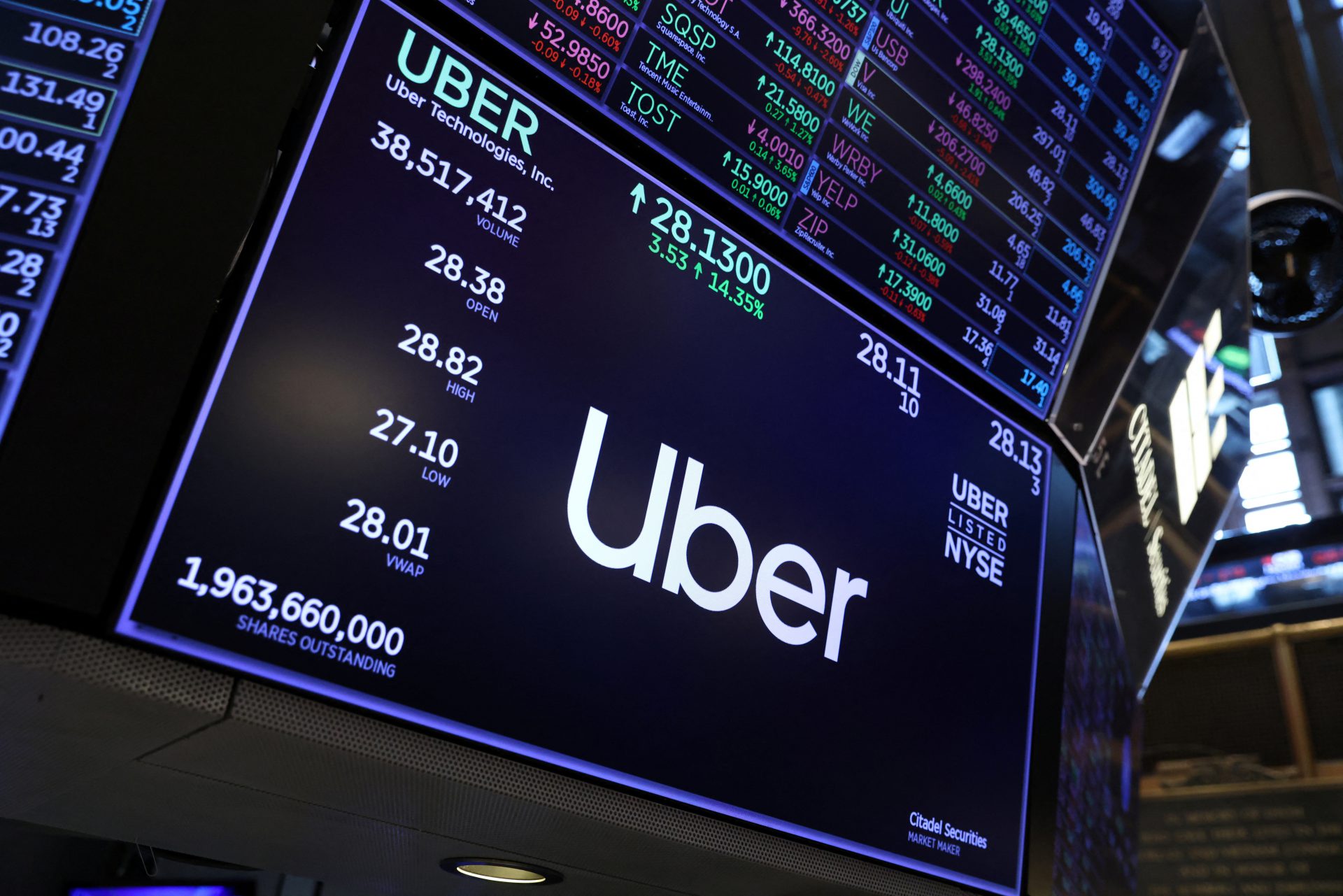

UBS Bank recently upgraded UBER’s stock target, reflecting a bullish sentiment towards the ridesharing giant. This move highlights the momentum UBER has built in recent months, underpinned by strategic growth initiatives and a diversified business model.
UBER’s shares have experienced a significant uptrend over the past three months, increasing by 15%. This robust performance highlights the company’s resilience and strategic growth initiatives in the competitive rideshare and food delivery markets. One factor contributing to this uptick was the overshadowed Tesla robotaxi event, which redirected investor focus back to UBER, underlining its market presence.
UBS bank’s decision to elevate UBER’s stock price target to $114 signifies confidence in the company’s strategic direction. According to David Lefkowitz, the head of U.S. equities at UBS Global Wealth Management, the Federal Reserve’s potential interest rate cuts could serve as a catalyst for UBER’s upward trajectory. This aligns with UBER’s vision of sustaining its role as a prominent consumer-facing demand provider.
Uber’s transition from a pure rideshare service to a diversified platform encompassing food delivery highlights its adaptability. The expansion into multiple sectors has positioned Uber as a pivotal player outside the ‘Magnificent 7’ group. Both the rideshare and food delivery sectors continue to reflect significant growth potential, with increasing demand propelling future opportunities.
Analysts suggest that Uber’s recent stock performance indicates a promising growth trajectory.
Analysts, particularly from UBS, express optimism regarding UBER’s growth prospects. With upward revisions for 2024 and 2025 estimates, UBER is seen as a formidable contender in the market.
According to UBS, UBER is in a “buy now” phase, driven by its strategic growth potential.
The company’s ability to harness synergies from platform expansions and consumer engagement strategies is expected to support its financial performance further.
The Federal Reserve’s potential actions, such as interest rate cuts, are anticipated to positively affect UBER’s stock performance.
These economic shifts could enhance Uber’s market valuation and investor confidence.
UBER continues to explore avenues for growth through key service expansions and technological innovations.
The company’s proactive stance in responding to market demands and trends suggests a promising outlook.
UBER’s strategic initiatives and positive market conditions continue to bolster its growth prospects. Investors and analysts alike remain optimistic about its future trajectory, setting the stage for continued success.

