
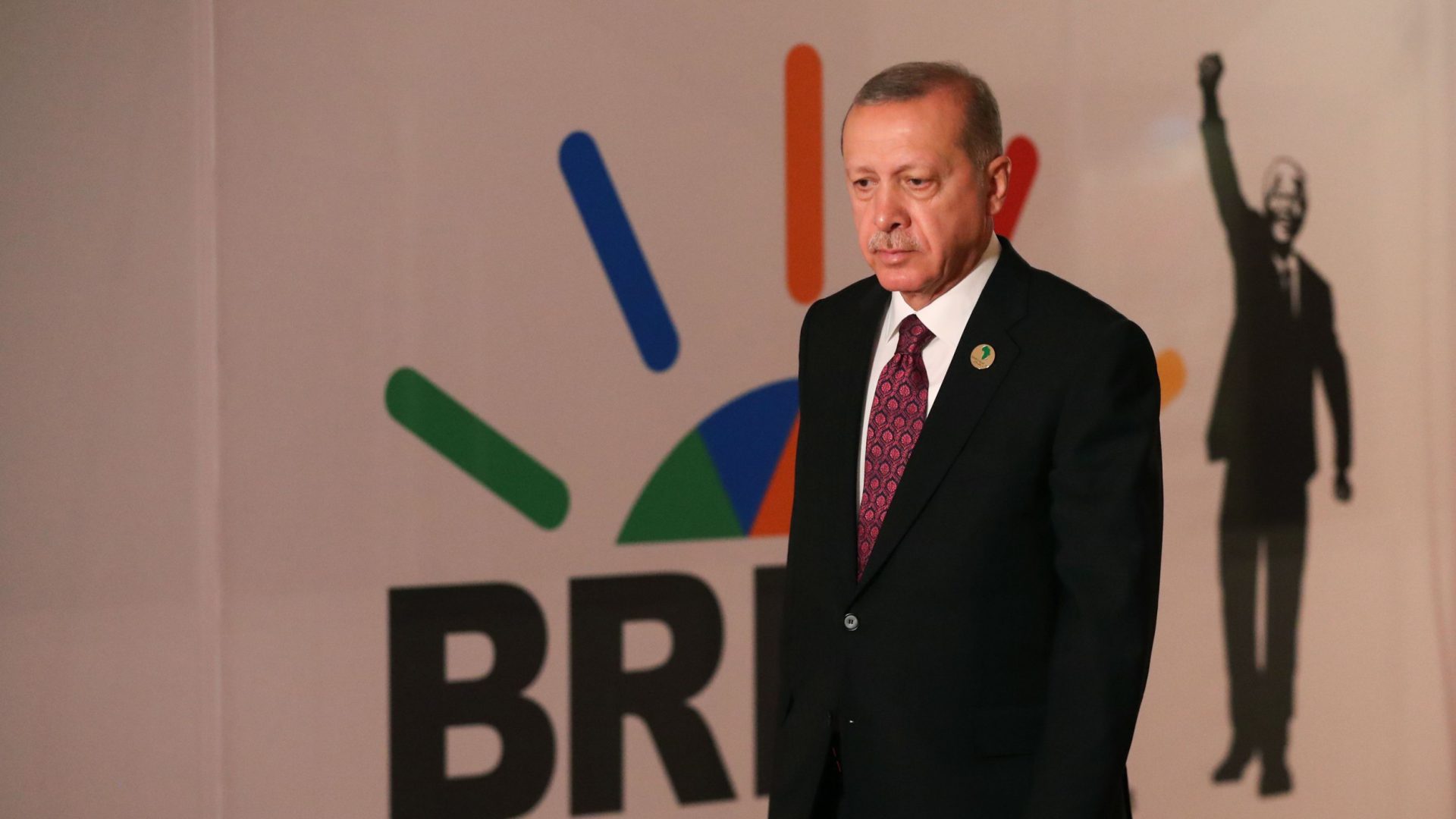

As Turkey considers joining BRICS, questions rise about its ongoing role in NATO.
The potential decision reflects broader geopolitical shifts affecting many global alliances.
Turkey’s interest in joining the BRICS bloc signals a strategic consideration of its international alliances. As the first NATO member to apply for BRICS membership, Turkey finds itself at a crossroads, contemplating its traditional alignments versus emerging economic opportunities. President Recep Tayyip Erdogan’s statements highlight the nation’s attempt to balance its existing NATO commitments with new economic aspirations within BRICS.
BRICS represents a collective effort among emerging economies to counterbalance Western economic influence, something Turkey finds appealing given its historical ties and economic ambitions with Asian and Arab countries.
By joining BRICS, Turkey seeks to expand its economic landscape, tapping into new partnerships that promise growth outside the traditionally Western-dominated structures. This desire reflects Erdogan’s vision to diversify Turkey’s economic alliances without forgoing its NATO ties.
The juxtaposition of being part of both NATO and BRICS may offer Turkey leverage in international politics.
It not only highlights Turkey’s diplomatic agility but also raises concerns about how these affiliations might affect intra-alliance relations.
Indeed, while Turkey navigating both alliances could result in economic benefits, it may also lead to complex diplomatic challenges.
President Erdogan has addressed Turkey’s stance, stating its intention to maintain ties with both NATO and BRICS.
He emphasized, “Participation in these structures does not mean abandoning NATO.” This clarification intends to dissolve assumptions that BRICS membership might necessitate NATO departure.
This dual commitment is not unprecedented but marks a unique approach for a NATO country, proposing a model where economic and military alliances coexist without direct conflict.
Turkey’s strategy reflects an intention to harness global opportunities without sacrificing previous commitments.
This approach could potentially set a precedent for similar nations contemplating dual involvement in disparate international bodies.
Ultimately, how Turkey manages this balance could influence other nations observing this geopolitical shift.
If successful, Turkey might become a pivotal case study for maintaining dual allegiances.
The implications of such a balancing act could ripple through other NATO members and beyond.
Whether BRICS and NATO can co-exist within a single nation remains a pivotal question in global diplomacy.
The developments surrounding Turkey’s dual engagement strategy are poised to define future diplomatic strategies.
Erdogan’s approach may reflect a broader trend towards diversified global alignment among nations.
As Turkey pursues this path, global observers await the outcome, which could redefine international alliance structures.
Turkey’s pursuit of BRICS membership while staying in NATO reflects a nuanced diplomatic shift.
This decision underscores the complexity of modern international relations and strategic adaptability.

