
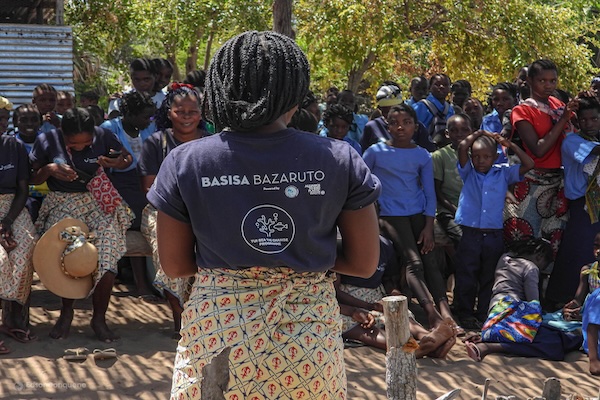

The Tui Care Foundation is spearheading a sustainability initiative in Mozambique, focusing on marine conservation.
- A key target is the Bazaruto Archipelago National Marine Park, where community engagement is central.
- 150 local skippers will be trained under a new licensing system to regulate maritime activities effectively.
- The project aspires to boost local economic involvement through sustainable tourism and conservation education.
- Supported by a €10 million Tourism for Development Fund, the initiative aims to reach 25,000 marine participants annually.
The Tui Care Foundation has launched a significant sustainability initiative aimed at preserving Mozambique’s Bazaruto Archipelago National Marine Park. By engaging local communities and the tourism industry, the foundation seeks to safeguard this natural habitat. A comprehensive capacity study will be conducted on the most frequented dive sites to assess and manage their environmental impact, ensuring the sustainability of this cherished ecosystem.
A critical component of this initiative is the introduction of a licensing system designed to train 150 local skippers. These skippers will be instrumental in implementing and enforcing regulations surrounding maritime activities. As a result, they will play a pivotal role in protecting the marine environment while also promoting sustainable tourism practices.
The initiative is designed not only to protect the environment but also to support local economic growth. By fostering sustainable tourism experiences, the foundation aims to attract at least 25,000 people annually to partake in marine activities. This influx will benefit local small and medium enterprises, providing them an opportunity to partake economically through licensed tourism ventures.
Education and community development are at the heart of this project, with plans to engage up to 7,000 local individuals in conservation awareness campaigns. Additionally, training will be provided to 2,000 community members in sustainable fishing practices, equipping them with valuable skills aimed at enhancing their livelihoods.
This groundbreaking initiative is supported by the Tourism for Development Fund, which will provide €10 million in resources for sustainable tourism projects in least developed countries until 2030. With a focus not only on Mozambique, the fund will also extend its reach to countries such as Cambodia, Laos, Rwanda, Senegal, The Gambia, Tanzania, Uganda, and Zambia.
This initiative not only aims to preserve Mozambique’s natural beauty but also empowers the community through sustainable practices.

