

The Tui Care Foundation is spearheading new conservation efforts in Kenya and Costa Rica, aiming to protect endangered species and support local communities over three years.
- Tui Wildlife Kenya will focus on preserving elephants, giraffes, lions, cheetahs, and pangolins, with initiatives to improve water access for the Tsavo area.
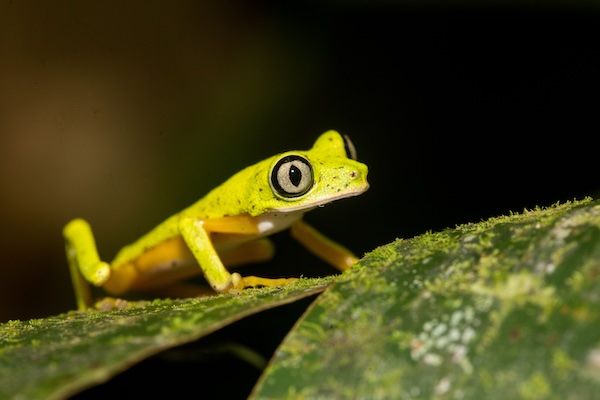
- The project in Costa Rica targets habitat restoration with 4,000 trees planted and frog pools created for the endangered Lemur Leaf Frog.
- Local community training in ‘climate-smart’ agriculture and marketing will support sustainable tourism in both regions.
- These projects emphasize community involvement and ecological sustainability, marking a significant commitment to wildlife protection.
In a commendable effort to safeguard biodiversity, the Tui Care Foundation has unveiled two ambitious projects in Kenya and Costa Rica, extending over a three-year period. These initiatives underscore a profound commitment to environmental conservation and community support, aiming to protect various threatened species while fostering local economic development.
The initiative in Kenya, known as Tui Wildlife Kenya, is dedicated to shielding five vulnerable species, namely elephants, giraffes, lions, cheetahs, and pangolins. Facing ongoing challenges from habitat loss and climate instability, these animals will benefit considerably. Essential to this plan is enhancing water availability in the Tsavo region, which has suffered severely from prolonged drought. Infrastructural improvements, including the construction of two boreholes, aim to secure water supplies for over 20,000 residents, thereby bolstering both human and wildlife survival.
Simultaneously, the Costa Rican project prioritises ecological restoration around Barbilla National Park, a critical habitat for numerous species. This venture will see the planting of 4,000 trees and the installation of nesting boxes, vital steps in reversing the effects of deforestation. Efforts will also focus on supporting the endangered Lemur Leaf Frog through the creation of specialised frog pools, a measure that acknowledges past successful reintroduction endeavours. Moreover, local rangers are expected to gain conservation training, enhancing their ability to protect and manage rainforest biodiversity effectively.
Central to both projects is the involvement of local communities, who will receive training in ‘climate-smart’ agricultural techniques and strategies to market their distinct local products. This aspect of the projects not only aims to create a sustainable source of income for individuals but also aligns with the broader goal of promoting eco-friendly tourism. By empowering communities with skills that support both the environment and the economy, these projects strive to create a harmonious balance between human activity and conservation goals.
Ultimately, these conservation projects by the Tui Care Foundation highlight a forward-thinking approach that integrates environmental protection with community empowerment, promising a positive impact on both ecological and human spheres.
The Tui Care Foundation’s projects in Kenya and Costa Rica exemplify a strategic blend of conservation and community engagement, promising a lasting positive influence.

