
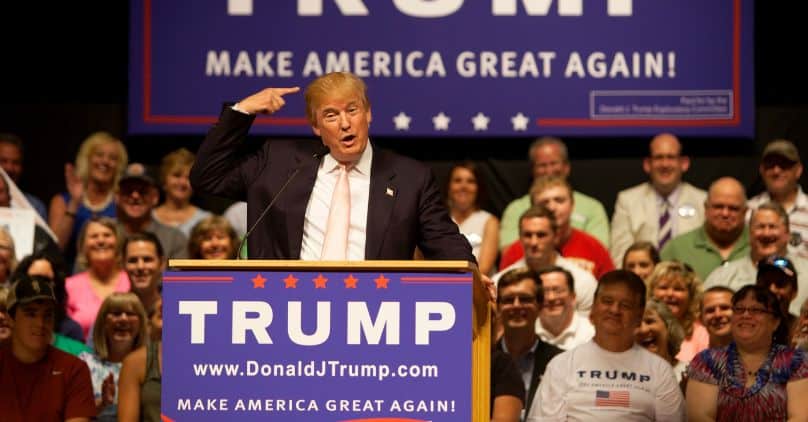

The political landscape has shifted dramatically with Donald Trump’s return to the White House, stirring varied reactions across sectors. The tech industry, in particular, is keenly observing the potential regulatory and policy shifts that may follow this unexpected turn of events. Tech giants are revisiting their strategies to align with anticipated changes.
Expectations for innovation and economic reforms are high as industry leaders scrutinise possible policy directions. While some anticipate opportunities for growth, others remain cautious about regulatory hurdles. The tech community is on alert, ready to adapt to new challenges and opportunities as this new chapter unfolds.
Tech Industry’s Anticipation of Policy Changes
The re-election of Donald Trump has prompted tech companies to reconsider their operational and strategic approaches. Many leaders are weighing the implications of potential policy shifts on innovation and market expansion. The administration’s decisions are expected to directly influence global trade policies and regulatory frameworks.
Tech firms are particularly attentive to Trump’s stance on digital innovation and economic growth. While there is optimism for deregulation and tax incentives, concerns persist over issues such as privacy legislation and antitrust scrutiny. Industry stakeholders are closely monitoring announcements from the administration.
Cryptocurrency and Blockchain: What Lies Ahead?
The cryptocurrency sector is keenly observing Trump’s policy trajectory, particularly regarding regulatory approaches. Ripple CEO Brad Garlinghouse’s public support for Trump suggests optimism for favourable policy shifts. The industry is hopeful for changes in regulatory leadership impacting innovation.
The conversation around crypto regulation is intensifying. Trump’s potential dismissal of SEC Chairman Gary Gensler is a focal point for many in the sector. Brad Garlinghouse’s advocacy for new leadership aligns with broader industry expectations for a regulatory environment conducive to growth.
Similarly, Jared Tate’s optimistic remarks highlight the crypto community’s anticipation. The sector is eager for policies that promote market stability and innovation.
Reactions from Business Leaders
Market leaders have varied responses to Trump’s victory. Mark Cuban’s neutral acknowledgment suggests an openness to potential policy benefits for business ventures. His perspective indicates a strategic, pragmatic approach.
Mark Zuckerberg, known for his evolving political stance, has reportedly attempted to mend relations with Trump. His shift towards libertarian viewpoints reflects broader trends in tech’s political alignments.
Reactions are not uniform, reflecting a diverse spectrum of expectations and strategies among tech leaders. Each company is poised to respond uniquely to evolving policies.
Impact on International Tech Relations
Trump’s return to power carries implications for international tech partnerships. His previous administration’s approach to trade, particularly with major tech-exporting countries, is under scrutiny.
Trade tariffs and international agreements are once again in focus. The tech sector is gearing up for potential changes that could affect cross-border operations and collaborations. Businesses are preparing strategies to navigate these complexities.
There is a renewed focus on strengthening bilateral relations with crucial tech markets. Companies are assessing how diplomatic dynamics may influence their global strategies.
Divergent Tech Strategies Amid Political Shifts
As political conditions evolve, tech companies are reassessing strategies for innovation and growth. There’s an emphasis on adaptation and resilience in the face of policy uncertainty.
Leaders are exploring collaborations and alliances to mitigate risks associated with potential regulatory constraints. This strategic focus aims to sustain innovation while navigating new challenges.
Strategic planning is more important than ever for tech companies. Emphasis is placed on scenario planning and agile decision-making processes.
Insights from Influential Tech Figures
Tech titans are considering how best to approach the shifting political landscape. Dialogue is emphasized as a tool for understanding and influence.
Musk, Bezos, and others are likely to engage in strategic discussions with policymakers. Their insights may guide future policies.
These influential figures play critical roles in shaping the tech sector’s trajectory. Their actions and strategies are closely watched by industry players.
Policy Implications for Emerging Technologies
The administration’s approach to emerging technologies will be critical. Areas such as AI and blockchain are under particular scrutiny.
Industry experts are keenly interested in how regulations might evolve under Trump’s leadership. The balance between innovation and regulation is delicate.
Future policy developments will significantly impact tech adoption and integration. Companies are positioning themselves to remain competitive amidst these shifts.
The tech industry is prepared for both opportunities and challenges. There’s a collective focus on leveraging emerging trends to stay ahead.
The Road Ahead for Tech Giants
For companies like Amazon, Google, and Tesla, the path forward is marked by both opportunities and uncertainties. Strategic agility is paramount.
Continuous monitoring of policy changes is essential for aligning business practices with new regulations. Tech giants are refining their approaches to maintain competitive advantages.
The coming months will test the industry’s resilience. Companies are poised to leverage insights and strategies to navigate future changes.
Adaptation and innovation will be key. Tech leaders are committed to maintaining a pioneering spirit in this evolving landscape.
The tech industry stands at a crossroads, facing both potential challenges and opportunities. As Trump’s policies unfold, adaptability and strategic foresight will be crucial for navigating this dynamic landscape.

