
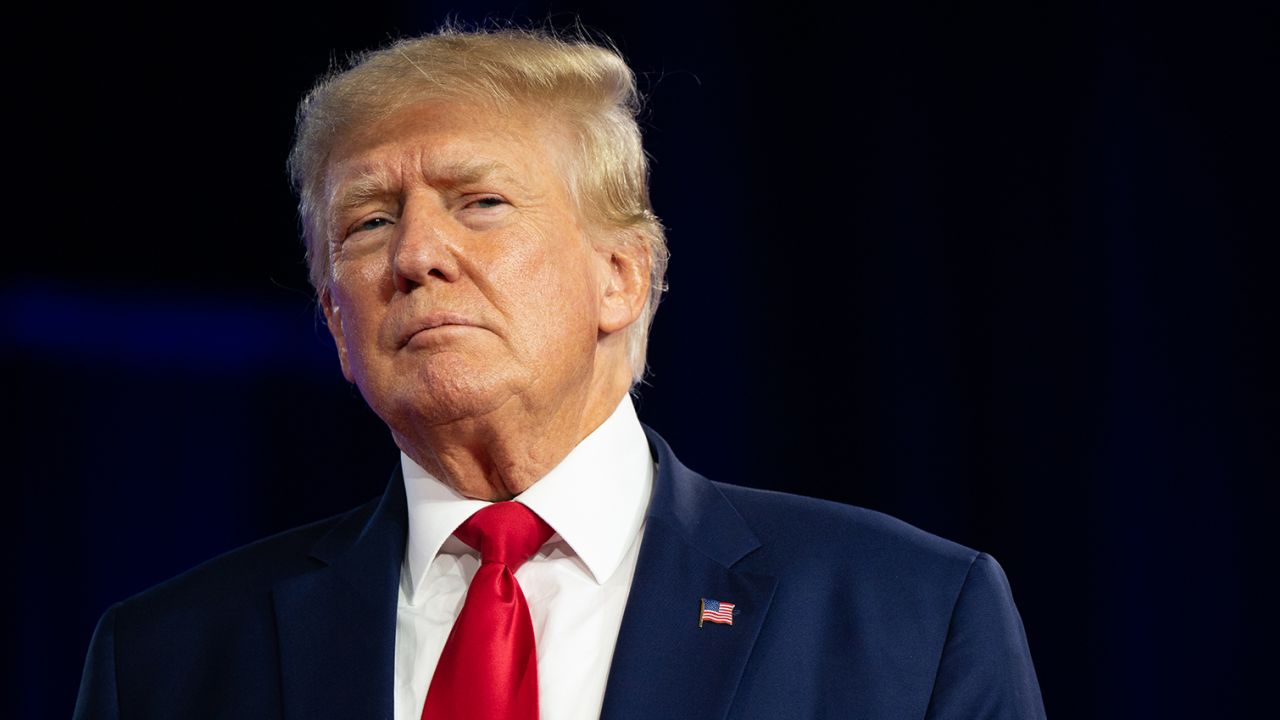

Donald Trump has put forward a sweeping tax reform plan that could reshape income tax dynamics for millions of Americans.
By potentially exempting 93.2 million citizens from income taxes, the plan aims to redistribute financial responsibilities.
Overview of Trump’s Tax Proposal
Donald Trump’s proposed tax reform aims to significantly alter the current income tax landscape, impacting nearly half of the American electorate. By exempting approximately 93.2 million Americans from income taxes, the plan seeks to relieve the financial burden on citizens. This ambitious proposal includes the elimination of taxes on tips and Social Security benefits, which are essential sources of income for many.
Understanding the Exemptions
The core of Trump’s tax plan is centred around exemptions for certain income types. Eliminating taxes on Social Security benefits alone could affect 68 million recipients monthly, providing substantial relief. Additionally, eliminating taxes on tipped income could impact about 4 million workers, according to recent estimates. These changes are intended to stimulate economic growth by increasing disposable income for millions.
Crucially, Trump hints at further exemptions for specific groups such as firefighters, police, and military personnel. His proposals aim to recognise the service of these professionals by reducing their financial obligations, although specifics are not fully disclosed yet.
[twitter-embed-display twitter_url=’https://twitter.com/WatcherGuru/status/1848459435150098540′]
Funding the Tax Exemptions Through Tariffs
To compensate for the reduced tax revenue, Trump plans to implement hardline tariff proposals. He suggests that American companies will cover the shortfall through added import costs, envisioning a 20% universal tariff on all imports. For Chinese goods, this tariff escalates to 60%.
Such tariffs aim to encourage domestic production by raising the cost of imported goods, thereby supporting American industries. Trump’s vision draws on historical precedents, harking back to the economically prosperous 1890s, where tariffs were the primary source of revenue instead of income taxes.
However, this approach has sparked debates within economic circles about its heavy reliance on tariffs, considering potential trade tensions and impact on consumer prices.
Economic Impact and Revenue Implications
Trump’s tax plan, if enacted, could lead to a significant reduction in federal tax revenue—estimated at $3 trillion from 2025 to 2034. This projection by the nonpartisan Tax Foundation raises questions about the sustainability of such a tax structure. While reducing taxes might increase consumer spending, the long-term fiscal health remains a concern.
The proposal faces substantial political hurdles. With a marginal Republican majority in the House of Representatives, legislative support might be limited. The outcome of the upcoming midterm elections could play a crucial role in determining the plan’s future.
Comparative Historical Analysis
Historically, the United States relied on tariffs for revenue before 1913’s introduction of the income tax. Trump’s plan returns to this model, leveraging tariffs as a significant revenue stream. During his comments, Trump frequently references this period, arguing that the country thrived economically under such conditions.
Yet, the historical comparison also highlights differences. The global economy has evolved drastically since then, and the risks associated with heavy tariffs could outweigh the benefits. Critics argue that Trump’s stance may overlook the complexities of modern international trade.
Understanding these historical contexts helps evaluate the feasibility of reverting to a tariff-based system. While intriguing, its practical implementation in today’s globalised economy remains uncertain.
Political Reception and Challenges
The reception of Trump’s tax proposal has been polarized. While some praise the bold approach to stimulate economic growth and reward public service professionals, others express caution. The estimated $3 trillion revenue loss is a central concern, raising questions about budget deficits and public services funding.
Political dynamics add another layer of complexity. The Republican party’s slim control of the House of Representatives means any legislative advancement is uncertain. The proposal may become a contentious point in upcoming electoral races, influencing voter sentiment and impacting future policy directions.
Future Prospects of Trump’s Tax Plan
The fate of Trump’s tax reform depends heavily on political, economic, and social factors. As the country approaches a pivotal election period, the proposal’s support or rejection will reflect broader national priorities and fiscal philosophies.
Ultimately, Trump’s tax plan remains a bold proposal with profound implications for the American economy.
Its success hinges on navigating political hurdles and assessing the long-term economic impacts.

