
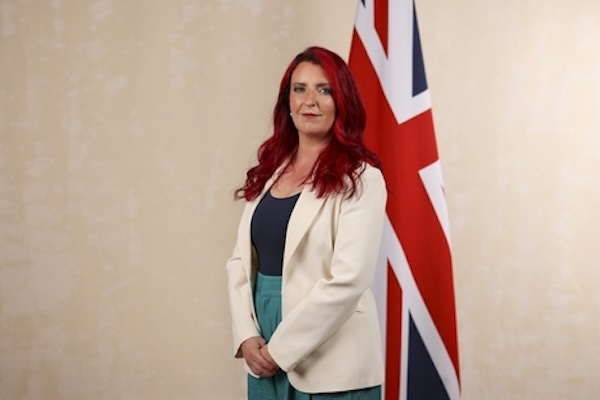

The appointment of Louise Haigh as the transport secretary marks a shift towards a mission-driven government under Labour. Her previous experience as shadow transport secretary and various other roles sets a foundation for significant changes in transport policies.
Haigh’s commitment to transforming public transport infrastructure is central to the new government’s agenda. Her recent statements indicate a focus on public ownership and improvement of transport systems, aiming for a comprehensive overhaul.
Louise Haigh’s Political Journey
Louise Haigh’s political career commenced with her role as a shop steward for the Unite union before becoming an MP for Sheffield Healey in 2015. Her experience as a special constable and her roles as shadow policing minister and shadow Northern Ireland secretary have equipped her with a diverse skill set, essential for her new position.
In opposition, Haigh served as the shadow transport secretary since November 2021, advocating for worker rights and holding the government accountable for their handling of transport-related issues. Her strong stance on public ownership of the railways and the establishment of municipal bus companies reflects her commitment to reforming public transport.
Commitment to Public Ownership
Haigh’s vision for the transport sector involves bringing railways into public ownership, a policy that aligns with Labour’s broader agenda to increase public sector control over essential services. This move is seen as a response to the long-standing issues faced by the privatised rail system.
The establishment of local municipal bus companies is another crucial aspect of her strategy. It aims to offer more efficient and locally controlled transport solutions, reflecting a decentralised approach towards public transport management.
Challenges and Opportunities
The challenges ahead for the transport secretary include industrial disputes and the need to modernise outdated infrastructure, which have historically plagued the sector. The radical overhaul promised by Haigh must address these longstanding issues to ensure sustainable growth.
Opportunities lie in leveraging technological advancements and incorporating sustainable practices into the transport framework. By doing so, the government aims to not only improve efficiency but also align with global sustainability goals.
Immediate Reactions from the Industry
Haigh’s appointment has been met with cautious optimism within the industry. Stakeholders are eager to see how her previous advocacy for worker rights and public ownership will translate into actionable policies. There is a wait-and-see attitude permeating the sector.
Her pledge to overhaul the transport system has raised expectations and concerns alike. While many anticipate positive reforms, others are apprehensive about the implementation and potential disruptions during the transition period.
Government’s Wider Strategic Objectives
Under the new Labour government, transport is a pivotal element of their mission-driven approach, which seeks to integrate infrastructure development with broader strategic objectives. This includes enhancing connectivity and reducing environmental impact.
Haigh’s role is crucial in ensuring that these objectives are met, particularly in balancing economic, social, and environmental considerations. Her leadership will be vital in steering the department towards achieving these multifaceted goals.
The Role of Junior Ministers and Collaborative Efforts
Although junior ministers for aviation and shipping are yet to be confirmed, their eventual roles will be vital in supporting Haigh’s ambitious plans. Collaboration between departments and industry stakeholders will be crucial for seamless policy implementation.
Jonathan Reynolds and Lisa Nandy’s appointments to business and culture respectively suggest a coordinated government effort towards aligning transport with cultural and economic growth. It highlights a comprehensive approach towards national development.
Future Prospects
The future of transport in the UK under Haigh’s leadership looks promising yet challenging. Achieving an equitable and sustainable transport system will require innovative solutions and strong governance.
The industry’s response will heavily influence the pace and success of these reforms, with ongoing assessments necessary to adapt to unforeseen challenges and opportunities.
Louise Haigh’s appointment as transport secretary marks a pivotal moment for the UK’s transport sector. Her commitment to public ownership and infrastructure reform aligns with Labour’s mission-driven government vision, yet successful implementation requires overcoming significant challenges. The transport landscape may well enter a transformative phase, contingent on strategic planning and collaborative efforts.

